
Heritage Run Destin Homes: A Local Buyer and Investor Guide
Heritage Run Destin homes guide covering community identity, property records, inspection priorities, and verified steps for buyers and investors.

On this page
On this page
Heritage Run is a single-family subdivision in Destin with homes along Vintage Circle, Vintage Court, Sibert Avenue, Calhoun Avenue, and Benning Drive. Those streets give buyers a concrete starting point for exploring this Destin neighborhood, from the Vintage streets to its Calhoun Avenue and Sibert Avenue addresses.
For a buyer comparing homes in this part of Destin, Heritage Run offers a single-family alternative to the city's condominium properties. Start with the location and layout that suit your daily routine, then compare individual homes by their living space, outdoor areas and condition. A Vintage Circle address and a Calhoun Avenue address belong in an address-by-address comparison, even when both listings use the same subdivision name.
Table of Contents
- What Heritage Run Is on the Okaloosa County Map
- What the County Records Do and Do Not Confirm
- Inspection Priorities Buyers Should Plan Around
- A Source-Linked Due-Diligence Checklist by Owner and Timing
- 1031 Exchange Rules That Shape an Investment Purchase
- Short-Term Rental Rules and Property-Specific Permission
- Heritage Run in the Wider Destin Housing Context
- Recommended Next Steps for Buyers and Investors
What Heritage Run Is on the Okaloosa County Map
Start with the legal identity
Use the county parcel family first, not a listing headline. The Okaloosa County parcel query for the 00-2S-22-1137 family identifies the records tied to Heritage Run, recorded as HERITAGE RUN S/D, and shows the relevant property classification. That is useful for confirming that a listing belongs to the intended subdivision rather than another Heritage-named place.
The county address query confirms addresses associated with Vintage Circle, Vintage Court, Sibert Avenue, Calhoun Avenue, and Benning Drive in Destin. Don't reduce Heritage Run to two streets or rely on an editorial map to infer legal boundaries.
Keep access claims tied to the exact address
The county records establish the street context, but they don't establish travel times, beach access, bridge access, parking rights, or private access arrangements. A buyer should enter the exact property address into a current route tool and confirm the intended commute to US-98, the Mid-Bay Bridge, beaches, workplaces, and daily services.
For broader orientation, use the Destin market overview, then return to the parcel. The practical question isn't whether Destin sounds familiar. It's whether this address gives you the access pattern, privacy, and ownership structure you actually want.
The county query also doesn't establish municipal licensing jurisdiction for every possible use. Confirm the exact address with the City of Destin or the appropriate county authority before applying rules about rentals, permits, taxes, or zoning. School assignments also require a current address-based confirmation from the relevant school district, not an assumption based on subdivision name.
Seven questions worth answering before closing
- Does the county parcel record match the legal subdivision and property under contract?
- Which recorded covenants, amendments, or restrictions govern the parcel?
- Does an association have authority to collect assessments or regulate leasing?
- What do the roof, structure, electrical, plumbing, and HVAC records show?
- What insurance conditions apply to this exact coastal property?
- Is the intended occupancy or rental use permitted by both public rules and private documents?
- Which title, survey, flood, access, and assessment issues remain unresolved?
Those questions separate Heritage Run Destin homes from generic search results. The subdivision name gets you to the right file. The property file determines whether the purchase makes sense.
What the County Records Do and Do Not Confirm
An Okaloosa County parcel query is an identity tool, not a complete due-diligence file. It can help connect the property under contract to a legal parcel family, site address, land-use description, and public assessment record. It can't replace title work, seller disclosures, inspections, association records, insurance underwriting, or a current survey.
The current county parcel-family result shows records classified as single-family and one vacant record within the queried legal family. That result is a dated query output, not proof of the total number of homes, available lots, completed construction, bedrooms, physical condition, or current inventory. Treat it as a confirmation of scope, not a market statistic.
| Document Source | Confirms | Does Not Confirm |
|---|---|---|
| Okaloosa County parcel record | Parcel identity, legal family, site address, and public property classification | Interior condition, occupancy, room count, flood or hurricane claim history |
| Recorded deed and title search | Recorded ownership transfers and title instruments located in the search | Unrecorded agreements, repair quality, insurance eligibility |
| Seller disclosures and permits | Information supplied by the seller and permits found by the responsible authority | Complete loss history, hidden defects, future repair needs |
| Association or management records | Rules, balances, notices, and records supplied for the property or community | Any obligation not included in the supplied records |
| Inspection reports | Observed condition within the inspection scope | Future performance, coverage approval, or every concealed defect |
Ask for the missing evidence directly
The county record may show who appears in public ownership data, but it doesn't prove that every seller obligation has been paid. It doesn't establish whether an association assessment is current, whether a lien is pending, or whether a code issue has been resolved.
That gap is why the buyer should request a parcel-level title search, recorded instruments, seller disclosures, permit history, association records, and independent inspections. Each document answers a different question. Ordering the same public parcel printout repeatedly won't answer a question it was never designed to answer.
Practical rule: Use county records to confirm the property you're buying. Use title, association, inspection, insurance, and permit records to decide whether you should close.
Inspection Priorities Buyers Should Plan Around
A Heritage Run inspection should focus on the systems that can change insurability, financing, repair negotiations, and ownership cost. Don't accept a general inspection as the entire answer for a coastal home.
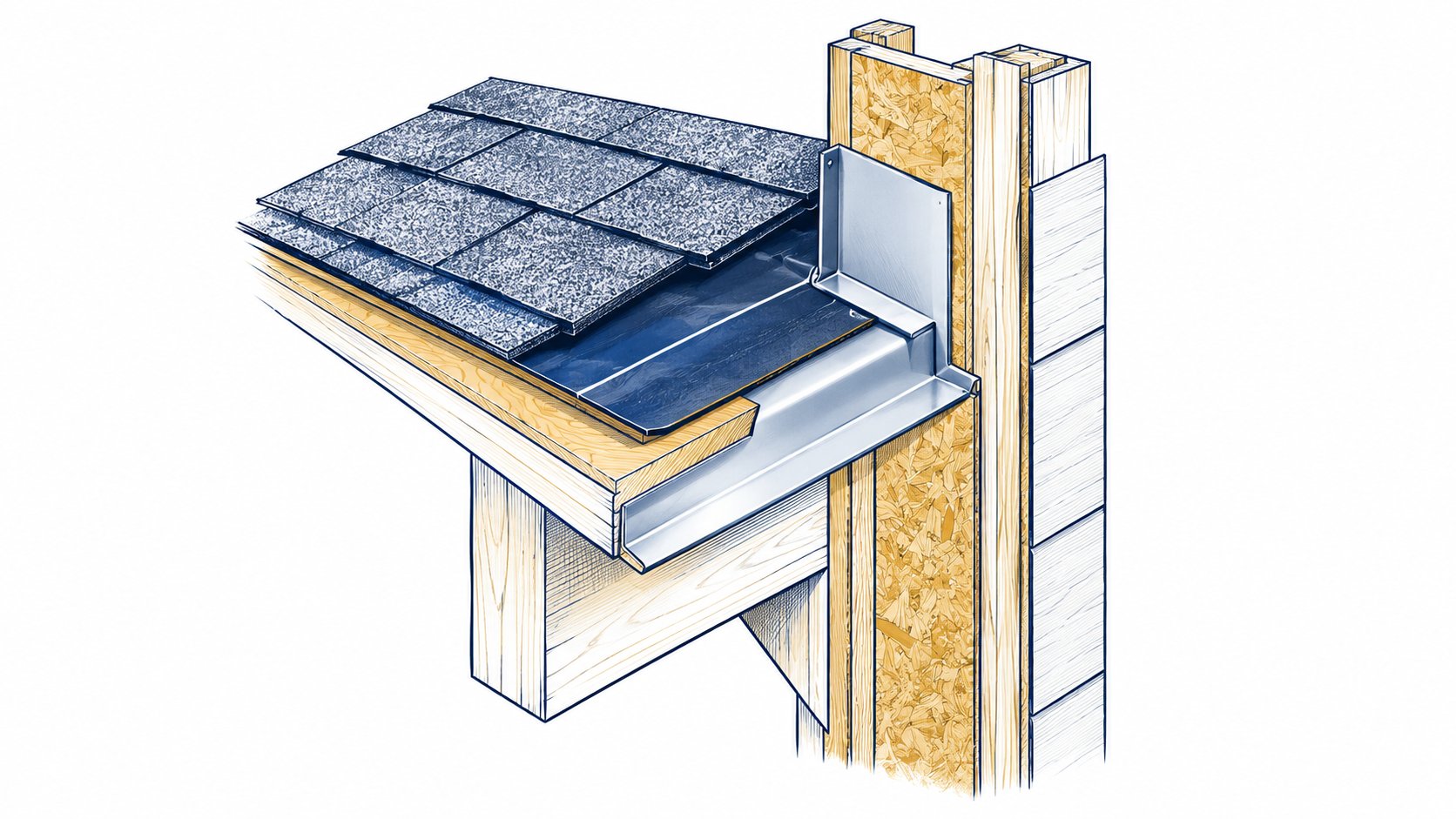
Roof and wind protection
Order a licensed wind-mitigation inspection using the current Florida Office of Insurance Regulation form, OIR-B1-1802, using the revision required for the inspection date. The Florida Office of Insurance Regulation wind-mitigation resources identify the current form. Ask the inspector to document the roof shape, roof-to-wall connection, secondary water resistance, opening protection, and other items the form addresses.
The form supports insurer review. It doesn't promise a particular premium or credit, and it doesn't establish that the current roof meets a carrier's underwriting requirements. Pair it with the latest roof permit available from the City of Destin or Okaloosa County Building Inspections and ask for the actual covering type, installation date, repairs, and remaining useful life.
Plumbing, drainage, and moisture
A sewer scope should answer whether the private building sewer has defects, root intrusion, breaks, or other conditions outside a standard visual inspection. Match the result against the responsible utility provider's available service or tap information for the exact address. Don't assume a municipal connection, private line, septic arrangement, or repair history without address-specific records.
A separate wood-destroying-organism and moisture inspection is sensible for any coastal property. It should identify active evidence, conducive conditions, moisture readings where applicable, and areas the inspector couldn't access.

Ask one question per inspection
- Roof: What is the roof covering, age, permit history, and remaining condition?
- Wind: Which documented mitigation features can the insurer recognize?
- Plumbing: Does the sewer or septic system require repair or further testing?
- Moisture: Is there evidence of intrusion, wood damage, or poor drainage?
- Exterior: Do gutters and downspouts move water away from the structure?
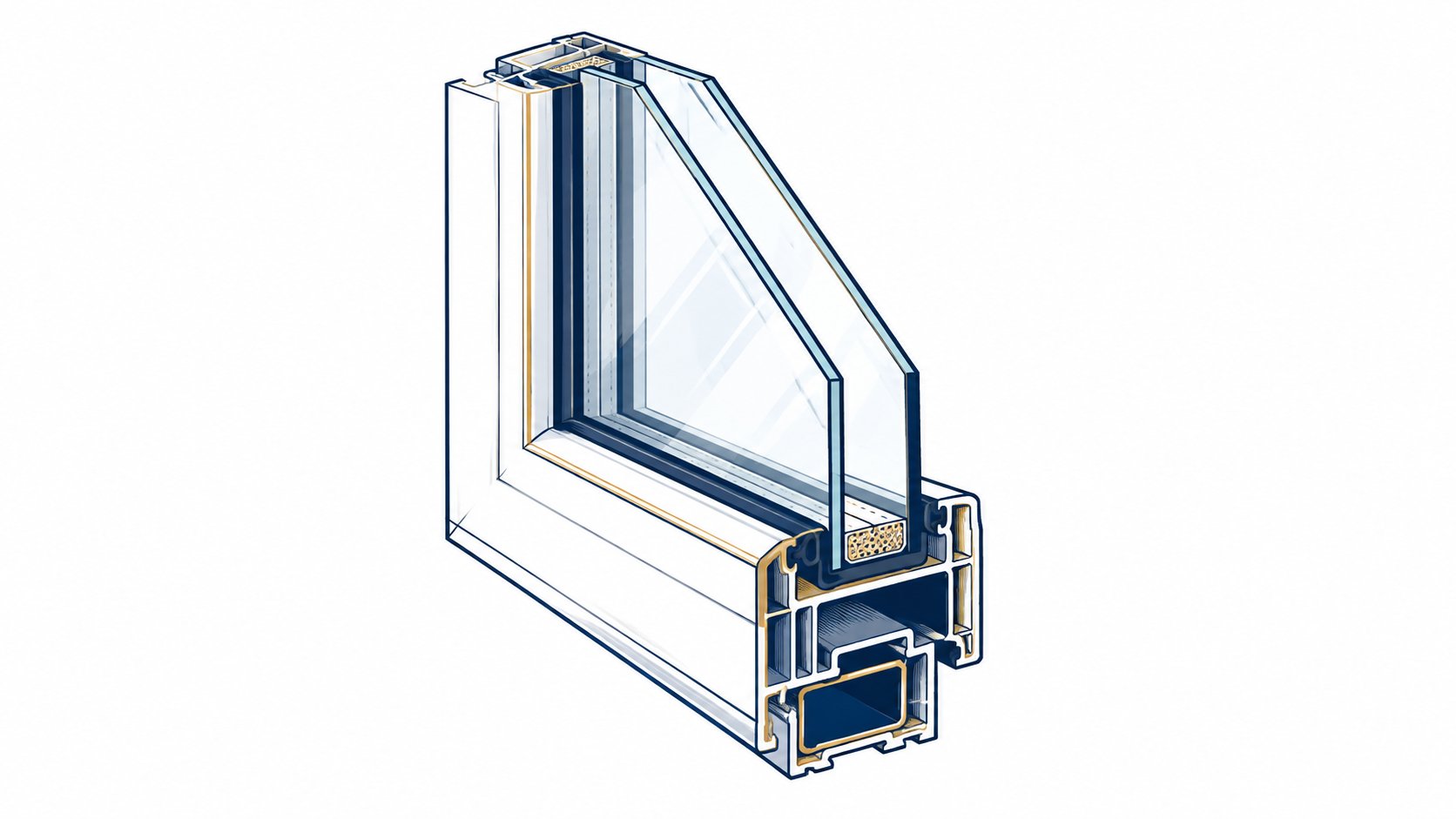
- Windows: Are seals, frames and surrounding finishes intact, and is there evidence of moisture entry?
A window review should include the glass, frame, seals and adjoining interior finishes. Ask the inspector to distinguish a failed insulated-glass seal from signs of water entering around the frame, and to explain any areas that could not be observed. The illustration below shows a generic window edge, not a Heritage Run home.
For buyers who want a broader local purchase framework, the Destin Beach Club buyer guide offers another property-focused reference point. Keep the work address-specific. A nearby home's inspection doesn't prove anything about the home you're purchasing.
A Source-Linked Due-Diligence Checklist by Owner and Timing
The cleanest process assigns every record to the person who controls it. Start with community-wide documents, then move to the parcel and finally to the condition and closing file.
Before writing or accepting an offer
The buyer or agent should pull the county parcel record and confirm the legal subdivision, parcel identifier, site address, and public classification. Request the last two recorded deeds through the county clerk or title company, and compare the legal description with the proposed contract.
The seller should provide disclosures, known repair records, permits in their possession, surveys, insurance documents, and any association correspondence. Treat a pre-listing package as a starting point. It doesn't eliminate the buyer's need for a fresh title and inspection review.
During the contract window
The seller or association should provide the recorded covenants, amendments, rules, budgets, meeting records, assessment ledger, estoppel, and any notices that apply to the parcel. A marketing summary isn't enough. Ask for the recorded instrument number or the complete governing document so the title company and counsel can review the actual language.
The buyer should order a survey or property-line sketch, a wind-mitigation inspection, a four-point inspection, roof and permit research, a sewer or septic scope, and a wood-destroying-organism and moisture report. The insurance agent should review the exact property and reports before the inspection or financing deadlines expire.
At the closing stage
The title company should reconcile ownership, liens, easements, recorded restrictions, payoff information, and closing requirements. The buyer should receive the final title commitment or policy, signed closing documents, approved survey materials, association confirmation, insurance binder, and any repair agreements.
Leave unknown items explicit. Current fees, reserves, assessments, leasing rules, access rights, flood exposure, litigation, permits, and condition remain property-specific until the responsible record holder supplies current evidence.
1031 Exchange Rules That Shape an Investment Purchase
A Heritage Run purchase can fit into an exchange only if the federal requirements fit the property and transaction. Section 1031 applies to real property held for investment or productive use in a trade or business, not a property acquired primarily for personal use. The federal text of Section 1031 sets out the qualifying like-kind real-property rules. Report an exchange using Form 8824 as explained in the IRS reporting guidance linked below.
A replacement home in Destin may be like kind to another qualifying investment property because the federal standard focuses on the nature or character of the property, not just whether one asset is a house and the other is a different improved property. That doesn't make the exchange automatic. The holding purpose, transaction structure, proceeds handling, and timing must all line up.
Timing controls the transaction
A deferred exchange generally requires written identification of replacement property within 45 days after transfer of the relinquished property. Receipt of the replacement property must occur by the earlier of 180 days after transfer or the federal return due date, including extensions, for the transfer year. See the IRS instructions for Form 8824 for the timing and identification rules. Treasury Decision 9935 concerns the real-property definition and related exchange rules; it is not a substitute for the current filing instructions.
Use a qualified intermediary before closing on the relinquished property. The intermediary structure matters because taking control of the proceeds can undermine the intended treatment. A tax professional should also review basis, depreciation, personal-use conversion, and state treatment before the buyer commits to a contract.
| Requirement | Source | Practical Limit or Window |
|---|---|---|
| Qualifying real property | Section 1031 | Investment or business use, with like-kind real property |
| Replacement identification | IRS exchange rules | 45 days after transfer |
| Exchange completion | IRS exchange rules | Earlier of 180 days after transfer or the transfer-year federal return due date, including extensions |
| Proceeds control | Federal exchange rules | No actual or constructive receipt by the taxpayer |
| Tax result | IRS sale and exchange guidance | Gain is postponed, not eliminated, and basis generally carries forward |
The buyer should also ask a tax adviser about depreciation recapture, future personal use, and any state filing consequences.
For a transaction-specific overview, review this guide to 1031 exchanges for investors. It should support a conversation with tax and legal professionals, not replace one.
Short-Term Rental Rules and Property-Specific Permission
The City of Destin short-term rental registration page is a starting point for reviewing municipal requirements for an intended rental use. Ask the city to confirm the currently applicable registration, occupancy, parking and operational requirements for the exact address and proposed stay length.
Municipal requirements and private restrictions answer different questions. Neither a nearby rental advertisement nor a city registration by itself establishes permission for a particular Heritage Run parcel. Obtain the current property-specific rules before choosing a home around a proposed rental use.
Private documents come first for underwriting
Before relying on rental use, obtain the current declaration, covenants, amendments, association leasing rules, and written confirmation from the association or manager. The documents must clearly address the intended rental duration and the exact parcel. A prior listing, rental advertisement, guest review, or seller statement isn't permission.
The buyer must also confirm current zoning, registration, business licensing, life-safety, parking, occupancy, insurance, and any minimum-stay requirements with the applicable authority. If evidence is missing, stale, conflicting, or restrictive, remove any rental income assumptions from the purchase analysis.

A city registration certificate doesn't override a restrictive covenant. The buyer needs both layers aligned, plus an insurance policy that permits the intended use. For comparison purposes, Silver Shells Destin represents a different ownership structure, so don't transfer condominium assumptions to a single-family subdivision.
Heritage Run in the Wider Destin Housing Context
A useful Heritage Run comparison starts with recent closed sales of similar single-family homes, then separates those results from active asking prices and citywide summaries. Keep the sale date, living area, lot size, condition and documented concessions beside each comparable. A condominium sale elsewhere in Destin does not become a detached-home comparable merely because both properties share a city name.
Ask your agent to identify the geographic boundary and property types used in any market report. A median asking price describes the properties offered for sale; a median closed price describes completed transactions within the stated period. Mixing the two can obscure the decision facing a buyer: how the specific home compares with alternatives available now and relevant sales that actually closed.
The subdivision and the city answer different questions
Analyze Heritage Run as a single-family subdivision. Destin includes detached homes, condominiums, second homes, and other ownership structures, so a citywide median cannot establish a Heritage Run home's price, insurance profile, or carrying cost.
Third-party neighborhood summaries are not county confirmation of housing counts, ages or dimensions. Use the county parcel family and exact legal descriptions above to establish which properties belong in your comparison, and obtain the underlying dated records before relying on aggregate statistics.
| Comparison question | Heritage Run home | Useful supporting evidence |
|---|---|---|
| Is it a comparable property? | Match detached-home type, location, size and condition | County parcel record, listing details and inspection findings |
| What did similar homes sell for? | Use relevant closed sales with stated dates | Closed-sale records and documented concessions |
| What alternatives are available? | Compare current asking prices separately | Dated active listings, not assumed sale proceeds |
| What will ownership require? | Price the exact home's insurance and repair needs | Written insurance quotes, inspection reports and contractor estimates |
Use a consistently defined set of comparable properties to frame the search, not an unsupported citywide average. For nearby comparisons, Destin FL real estate neighborhoods can help identify alternatives across Destin and the Emerald Coast. Then return to the specific parcel, inspection findings, title file, insurance quotes, and governing documents before setting value or approving an investment model.
Recommended Next Steps for Buyers and Investors
Start with a focused conversation about the property type, intended use, access needs, financing, timing, and whether Heritage Run belongs on your target list. A short call prevents wasted listing tours and clarifies which records need to be ordered first.
Execute the file in sequence
- Confirm the target: Identify the exact address or search criteria and separate primary-residence, second-home, and investment objectives.
- Verify the parcel: Pull the Okaloosa County record, match the legal subdivision and parcel family, and review the latest deed transfer.
- Request governing documents: Obtain recorded covenants, amendments, association rules, assessment records, estoppel, budgets, reserves, notices, and any management records.
- Inspect the structure: Commission a general inspection, four-point inspection, roof review, wind-mitigation inspection, sewer or septic scope, and wood-destroying-organism and moisture report.
- Confirm title and boundaries: Have a Florida-licensed title company review ownership, liens, easements, restrictions, survey materials, and closing requirements.
- Underwrite only verified use: If rental use matters, reconcile private restrictions with city or county requirements before placing any revenue assumptions in the model.
- Coordinate the closing file: Keep the seller, inspectors, insurer, title company, association, tax advisers, and buyer aligned around written records and deadlines.
For an investor using a 1031 exchange, bring the qualified intermediary and tax adviser into the process before the relinquished property closes. For any intended rental use, confirm property-specific permission and the public requirements before considering that use. This guide does not provide rental projections.
The current Heritage Run homes for sale search is the right place to watch transient inventory, but a listing is only the beginning. Dream Destin Realty can coordinate the property search, document requests, inspection scheduling, title communication, insurance review, and use analysis into one closing file.
Dream Destin Realty helps buyers evaluate Heritage Run homes through parcel-level research, current listing review, association-document requests, inspections, insurance coordination, and title support. Contact Dream Destin Realty to discuss a specific Heritage Run property and build a verified path from first showing to closing.


