
Palm Street Townhomes Destin Guide: What to Know
Explore Palm Street Townhomes in Destin: floor-plan comparisons, association documents, inspections, insurance and property-specific buyer questions.

On this page
On this page
Palm Street Townhomes brings two-story townhome options to Destin, with homes along Bismark Boulevard and Foxtail Way. The community offers a different layout from a condominium tower or a detached home: living space arranged over two levels, an attached garage and a compact outdoor footprint.
D.R. Horton markets Palm Street Townhomes in ZIP code 32541 with two plans, three bedrooms, two and a half bathrooms, and approximately 1,459 to 1,470 square feet. For buyers comparing Destin homes, the useful distinction is how the interior and exterior plans fit furniture, storage, daily routines and outdoor space. The selected unit and its ownership documents determine the maintenance responsibilities.
Table of Contents
- Overview of the Palm Street Townhomes Community
- Understanding Floor Plans and Unit Sizes
- Analyzing Homeowners Association Fees and Governance
- Recent Sales Activity and Price Trends
- Evaluating Location and Beach Access Proximity
- Assessing Ownership Use and Rental Restrictions
- Reviewing Insurance and Construction Risks
- Essential Pre-Purchase Due Diligence Checklist
Overview of the Palm Street Townhomes Community
The D.R. Horton Palm Street community page, reviewed September 29, 2026, identifies the Palm Interior and Palm Exterior plans. Its current home cards list individual asking prices and status, not a community-wide closed-sales study. Use current listings to identify available units, then request dated comparable closed sales before evaluating an offer.
A newer Destin infill setting
Palm Street Townhomes is a newer housing product in Destin, built as compact, two-story homes with single-car garages. That creates a manageable ownership footprint near coastal amenities, while leaving buyers responsible for checking the details that listings often summarize poorly. The practical questions include what the HOA maintains, which insurance responsibilities remain with the owner, and whether the unit's position affects privacy, parking, drainage, or exterior upkeep.
Published plan information identifies 2 floor plans, three bedrooms, two and a half bathrooms, and 1,459 to 1,470 square feet. The community's published plan information helps confirm the standard product, but it does not replace an inspection of the selected unit, recorded documents, permits, or construction records.
The community sits in ZIP code 32541, with the builder describing beach access points as approximately 1.5 miles away. That distance supports a different ownership decision than waterfront property. Compare the address and surrounding market through this Destin market overview, then assess whether the location fits daily use, a second home, or planned occupancy.
Understanding Floor Plans and Unit Sizes
1,459 to 1,470 square feet is the published range for Palm Street Townhomes, with two-story townhomes, three bedrooms, two and a half bathrooms, and a single-car garage. The small size difference between plans matters less than how each unit handles stairs, storage, natural light, furniture placement, and outdoor exposure. In practice, the address within the subdivision can affect privacy, parking, drainage, and noise as much as the floor plan.
As you test the layout, operate doors through their full swing and check hinge clearance, binding and usable walking space. The component illustration is generic; it does not depict a Palm Street floor plan.

Where the layout works, and where it requires attention
The vertical design separates living areas from bedrooms while keeping the footprint manageable. A single-car garage provides enclosed parking, yet storage capacity is limited. Buyers should measure space for a vehicle, bicycles, beach equipment, tools, and seasonal items before assuming the garage will handle everything.
Three bedrooms also require a room-by-room review. The third bedroom may suit an office, guest room, or sleeping area, but furniture dimensions determine whether that use is practical. During a showing, open every closet door, measure usable wall lengths, and check whether larger furniture would block windows, doors, or walkways.
The floor plan does not show the entire ownership experience. Confirm which exterior elements the association maintains, and identify what remains the owner's responsibility before treating a compact design as a low-maintenance purchase. Review Legion Village HOA and STR rules for context on the questions buyers should ask, while relying on Palm Street's own governing documents for the actual requirements.
New construction still needs inspection
Published community records and listing data can help identify advertised construction information. Confirm the exact unit's completion date through its permits and certificate of occupancy rather than extending one listing's year to every home. Obtain the builder warranty documents and a unit-specific inspection, including any items not completed or accessible at the time of review.
New construction can reduce immediate repair uncertainty, but it does not remove the possibility of construction defects, warranty deadlines, drainage concerns, or missing records. Before making an offer, compare the inspection findings, warranty terms, maintenance responsibilities, and documents for the specific unit. These details often matter more than a small difference in advertised square footage.
Analyzing Homeowners Association Fees and Governance
A fee and inclusions reported in one unit's listing are not current association confirmation. Request the exact unit's current assessment schedule, budget, estoppel information and written explanation of included services before using an amount in the ownership budget. This guide does not treat a listing fee as a verified community-wide charge.
Any listing reference to a master association deserves attention, but buyers should not infer the governing structure from that phrase alone. The recorded declaration, covenants, amendments, plat, deeds, association records and any developer or turnover documents should establish which entities govern the property and what authority each has. Ask the title company and the identified association to reconcile the exact unit with those records.
What the monthly figure doesn't answer
The reported fee doesn't tell you whether reserves are adequate, which party maintains roofs or exterior walls, how insurance is allocated, or whether future assessments are possible. It also doesn't establish pet rules, leasing restrictions, parking controls, architectural standards, or responsibility for driveways, utility lines, landscaping, drainage, or shared areas.
Ask for the documents before treating the fee as a fixed ownership cost:
- Governing documents: Request the declaration, bylaws, covenants, amendments, easements, and recorded rules.
- Financial records: Review the current budget, reserve information, assessment history, and recent financial statements.
- Insurance material: Identify association coverage, exclusions, deductibles, and the items each owner must insure separately.
- Authority records: Confirm who controls the association, who can amend rules, and whether developer rights remain.
- Leasing provisions: Read the actual leasing language instead of relying on listing remarks or verbal statements.
Buyers comparing association structures can also use the Regatta Bay community guide for broader local context, while keeping Palm Street's own documents as the controlling evidence.
Practical rule: Treat the published HOA amount as one line in the budget, not as proof that the community has simple governance or limited future costs.
Recent Sales Activity and Price Trends
A single unit's listing does not establish the community's median sale price, sold volume or a typical discount. Compare dated asking prices and closed sales separately, with unit position, condition, finishes, concessions and transaction status identified.
Compare the exact unit, not only the bedroom count. Review its floor plan, construction date, upgrades, garage position, outlook, privacy, seller credits, and condition. Those details affect both ownership experience and negotiating power. A new-construction unit can still carry a different insurance profile, resale position, or monthly ownership cost depending on its location within the community and the coverage available to the buyer.
Reading the negotiation signal
An offer should be built from verified comparable transactions rather than an assumed percentage discount. Ask which sales were closed, when they occurred, whether concessions were recorded and how each home differs from the unit under consideration. A seller's circumstances and a buyer's financing terms may also affect the negotiated result.
Frame the comparison with concrete questions: How long were comparable homes listed? Did their prices change? Were closing-cost contributions offered? Did inspection findings or financing terms affect the transaction? Keep the observation window and the small sample size visible when interpreting any summary.
Current inventory can change quickly, and pending transactions are not closed sales. Confirm the status of each home on the date of an offer rather than relying on a past community snapshot. Ask for a fresh comparison of condition, concessions, days on market and final sale prices where available.
For broader local context, consult the Destin market report. Strong pricing analysis combines current Palm Street evidence with the exact unit's inspection results, financing terms, documents, and closing timeline.
Evaluating Location and Beach Access Proximity
D.R. Horton describes beach access points as approximately 1.5 miles away on its community page. That is the builder's approximate marketing description, not a measured route from every unit or proof of private access. Check the actual public access point, route, parking and current rules before making a purchase decision around beach use.
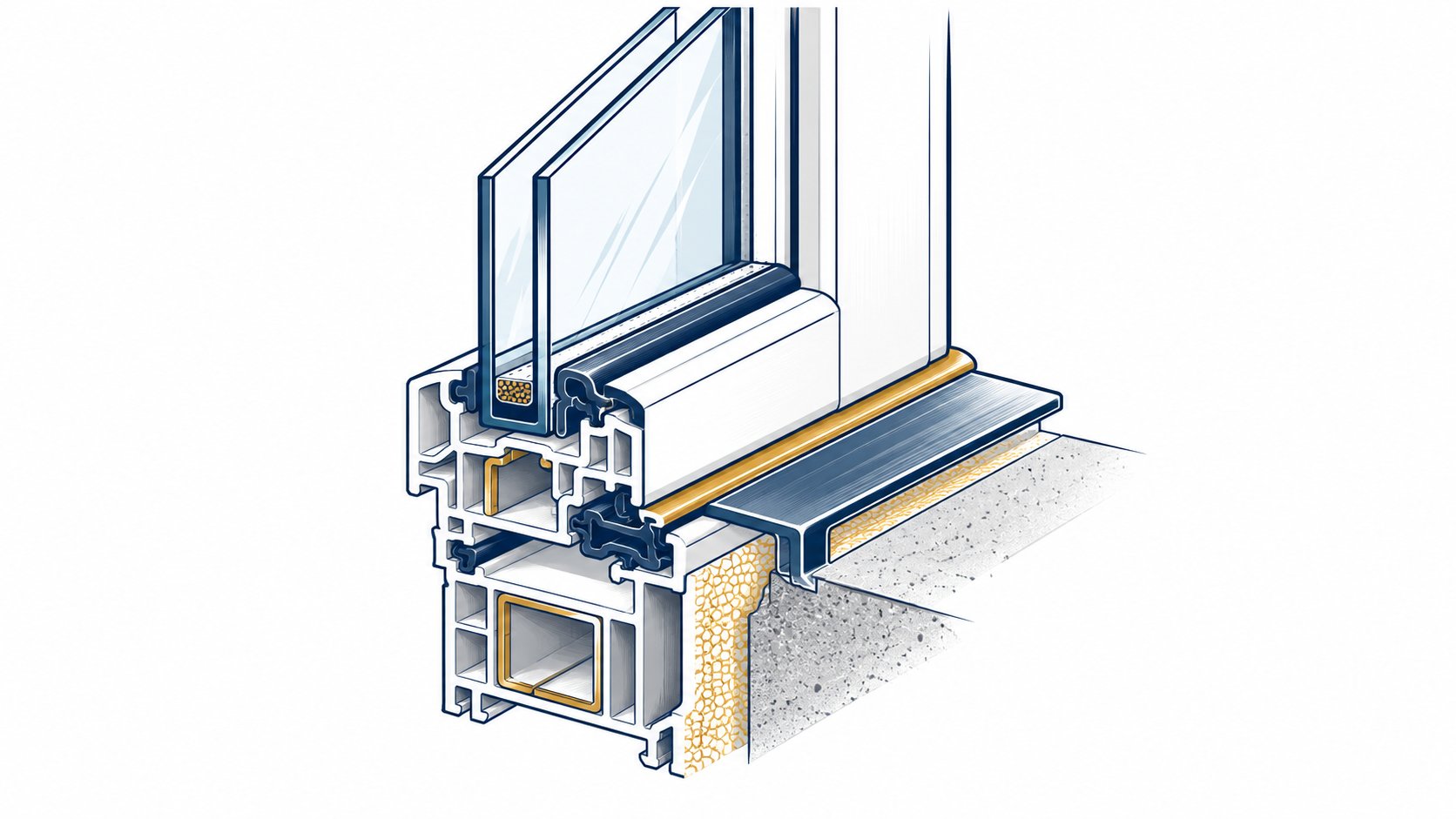
Outdoor exposure also belongs in the location review. Have the inspector examine window edges, seals and surrounding finishes rather than assuming a location description proves their condition. This generic component illustration shows a window assembly, not an access route or a Palm Street property.
The location trade-off
A community near shopping, dining, and everyday services can work well for a primary residence or second home where convenience matters. The same location may feel less compelling to a buyer who expects to step directly from the property into a waterfront setting. The correct comparison is lifestyle-specific, not purely distance-based.
For a second-home buyer, ask how often the home will be used, how beach equipment will be stored, and whether driving to access points fits the intended routine. For an investor-oriented buyer, access affects the property's positioning, but no rental appeal or performance conclusion should be made until leasing permission and applicable rules are verified for the exact unit.
Palm Street also differs from waterfront or resort-adjacent choices around Destin, 30A, Inlet Beach, Miramar Beach, Santa Rosa Beach, and Fort Walton Beach. Those areas can offer different access patterns, architecture, association structures, and price expectations.
The right question isn't just “How close is the beach?” Ask instead, “Does this address provide the access, privacy, daily convenience, and coastal setting I'm paying for?” That answer will differ between buyers who prioritize an efficient Destin base and those comparing waterfront prestige.
Assessing Ownership Use and Rental Restrictions
Palm Street Townhomes shouldn't be evaluated as a rental investment until current, property-specific permission is established in writing. A listing remark, vacation advertisement, past rental activity, or seller statement doesn't prove that the declaration, amendments, association rules, city requirements, and county requirements all permit the intended use.
Establish permission before underwriting
Start with the recorded documents for the exact property. Review the declaration, covenants, amendments, leasing provisions, occupancy language, and any master-association rules. Then request written confirmation from the current association, management company, or authorized governing party that addresses the intended lease duration and use.
The review should answer practical questions:
- Is leasing permitted at all? Confirm that the governing documents allow residential leasing for the property.
- What duration applies? A rule may distinguish among short stays, longer leases, minimum terms, owner occupancy, or registration requirements.
- Are there caps or approval steps? Ask about rental caps, application procedures, fees, guest rules, parking, and violation remedies.
- Does the unit qualify today? Confirm that the exact unit isn't subject to a different amendment, phase rule, deed restriction, or pending change.
- Do public rules align? Check current zoning, registration, licensing, life-safety, occupancy, parking, and minimum-stay requirements independently.
HOA permission and government compliance are separate questions. A community rule can't override a city or county requirement, and a government license can't override a private restriction. Buyers should obtain both forms of confirmation before including rental income in financing or purchase decisions.
Use our Emerald Coast short-term rental rules guide as a starting point for local research, then verify the exact rules in force for the property. Until that evidence is complete, focus the ownership review on documented costs, personal use, resale flexibility, and documented facts. Don't use market benchmarks to calculate revenue, occupancy, return, cap rate, or cash flow for this community.
Reviewing Insurance and Construction Risks
New construction can simplify some insurance questions, but it does not remove coastal exposure. Newer materials and builder warranty records may help, while premiums, deductibles, exclusions, and coverage limits still depend on the building, unit, association structure, construction details, and exact location. Buyers should treat the insurance quote as a property-specific cost, not a benefit implied by the subdivision's age.
Ask for unit-specific insurance answers
Give the insurance agent the exact address, construction records, permit information, roof details, wind-mitigation documentation, association policy, and ownership documents. Ask which components the association insures and which belong on the owner's policy. Confirm provisions for wind, hail, water, liability, contents, loss assessment, and deductibles.
The published home size, approximately 1,459 to 1,470 square feet, and its single-car garage help identify the property, but they do not establish a dependable premium or replacement-cost figure. The builder's published plan data should be paired with an agent's current property-specific assessment.
Inspect the parts that create future disputes
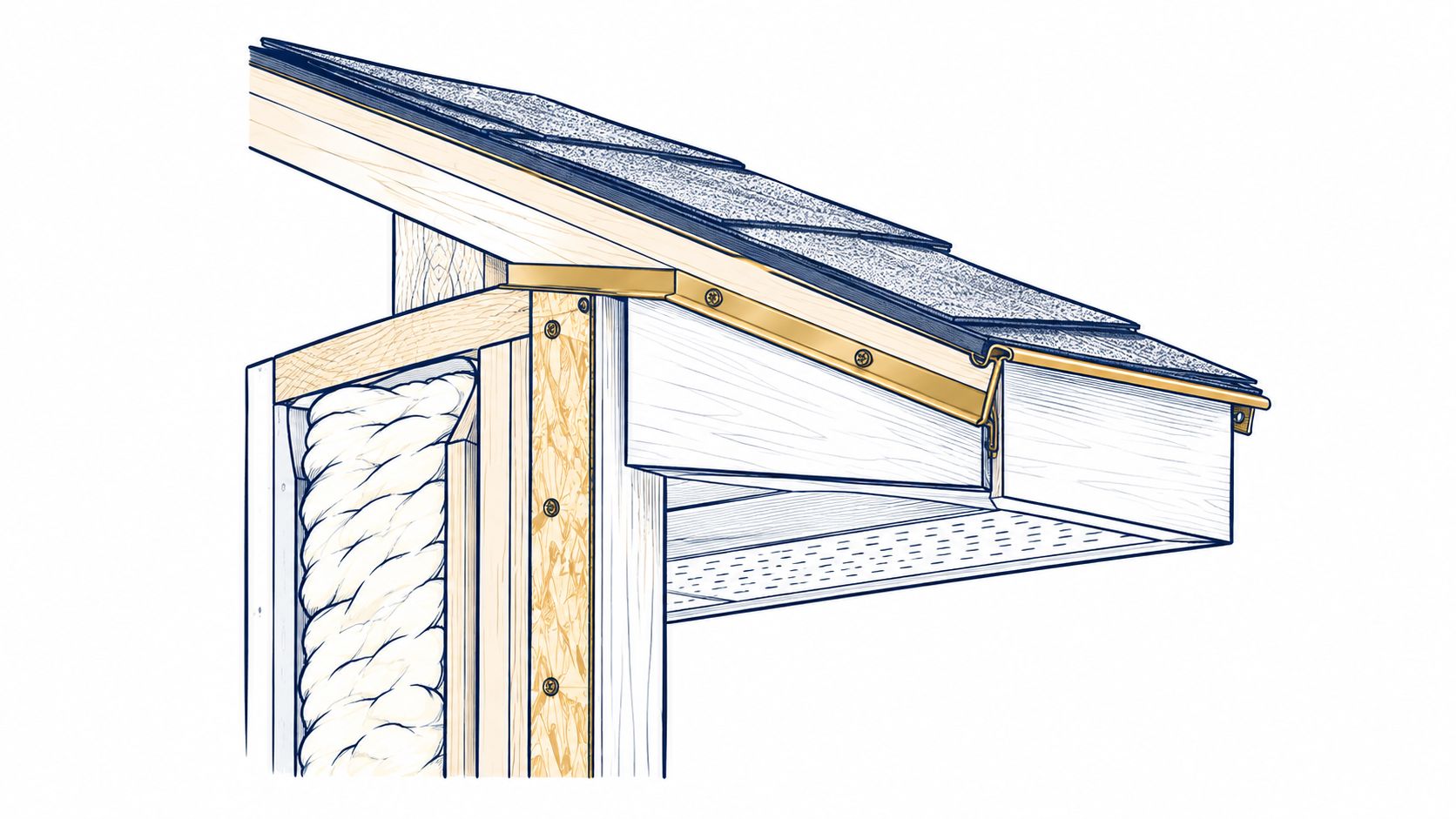
Inspect roof flashing, window seals, exterior joints, plumbing shutoff access, drainage, grading, attic or utility penetrations, and the boundary between owner and association maintenance. These details often determine who pays when water enters or an exterior component fails. Obtain builder warranty terms, expiration dates, claim procedures, and records showing whether warranties transferred to later owners.
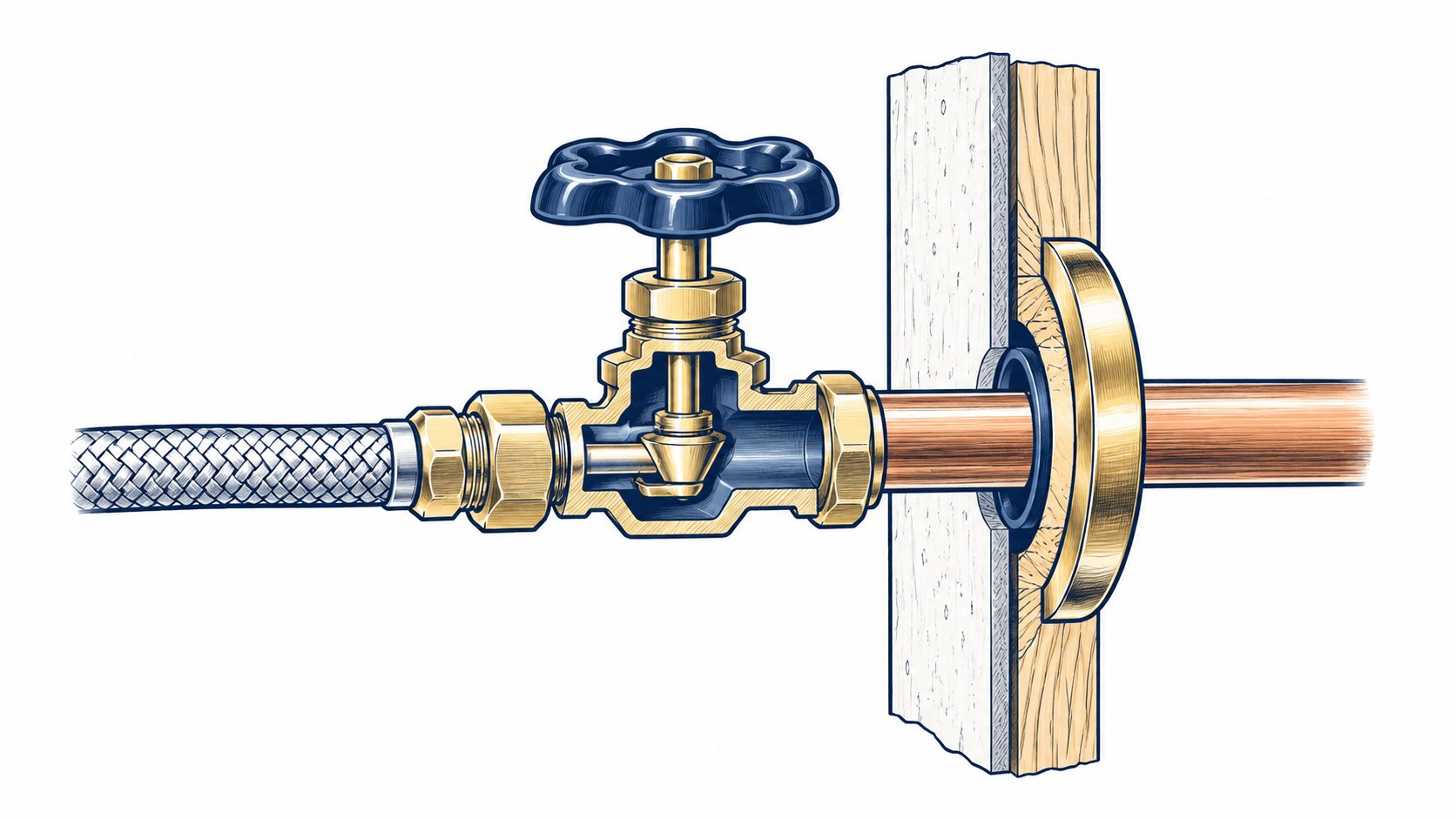
Locate each accessible plumbing shutoff with the inspector and ask about operation, leakage and maintenance responsibility. A component drawing can help identify the parts to discuss, but the actual installation and condition must be checked in the selected home.
Request official flood-map information and ask the insurer how it affects coverage. A newer structure, an upper floor, or an association policy does not answer the need for individual flood and wind analysis. Put the conclusion in the written quote and governing documents, rather than relying on a sales assumption.
Essential Pre-Purchase Due Diligence Checklist
A Palm Street showing should end with more than a list of favorite finishes. It should give the buyer a property-specific evidence file that separates community-wide information from facts belonging only to the selected unit.
During a practical inspection, walk the roofline and exterior joints, operate every window, locate plumbing shutoffs, test drainage after appropriate conditions, and inspect the garage for moisture, clearance, storage limits, and door operation. Ask the inspector to document items that may fall under a builder warranty or an association maintenance obligation.
Build the file before removing contingencies
- Confirm legal identity: Match the contract property to the recorded plat, deed, parcel, and legal description.
- Review governance: Obtain the declaration, covenants, amendments, bylaws, rules, budgets, reserves, assessments, insurance, and turnover records.
- Verify leasing in writing: Secure current property-specific confirmation before relying on any rental use.
- Check construction evidence: Review permits, certificate of occupancy, builder warranty, completion records, and unresolved notices.
- Order independent inspections: Use a qualified inspector familiar with newer coastal townhome construction.
- Confirm insurance: Obtain written unit and association coverage details, deductibles, exclusions, and replacement-cost guidance.
- Review title and survey: Check easements, liens, boundaries, access, parking rights, and shared areas.
- Coordinate financing and deadlines: Give the lender the governing documents, insurance information, inspection results, and contract dates early.
Current listings can be reviewed through the Palm Street Townhomes listings page. Dream Destin Realty helps buyers compare inventory, ownership records, association documents, inspections, insurance, financing, and unit-specific due diligence across Destin and the Emerald Coast.
Dream Destin Realty can help you compare Palm Street units, interpret the community documents, coordinate property-specific inspections and insurance questions, and shape an offer around verified evidence rather than listing assumptions. Visit Dream Destin Realty to request local guidance on Palm Street Townhomes and other Destin townhome options.


