
Harbor Place Townhomes Destin: Buyer Due-Diligence Guide
Harbor Place Townhomes in Destin connects Renea Cove and Redbird Loop. Explore listings, ownership documents, home condition and purchase considerations.

On this page
On this page
Harbor Place Townhomes is a Destin residential community with townhome parcels recorded as HARBOR PLACE T/H in Okaloosa County's parcel records. It is a townhome community, distinct from the similarly named Destin Harbor Place condominium.
Renea Cove and Redbird Loop provide its local street context. County address records connect those Destin streets with the Harbor Place parcel family, giving buyers a clear starting point for exploring this community's listings.
Table of Contents
- Verified Property Overview and Location
- Ownership and Recorded-Document Framework
- Essential Governing Documents to Review
- Comparing Asking Prices and Closed Sales
- Renovation and Shared-Use Questions
- Flood Risk and Insurance Considerations
- Short-Term Rental Eligibility Verification
- Comparative Due-Diligence Matrix
Verified Property Overview and Location
Harbor Place Townhomes is a residential townhome community in Destin, Florida, within the 32541 ZIP code and Okaloosa County. Current county geographic records identify Harbor Place parcel records in the HARBOR PLACE T/H parcel family and connect that family with Renea Cove and Redbird Loop in Destin. For current listings and community details, see Harbor Place Townhomes listings and details, and match any candidate on Renea Cove or Redbird Loop to its county parcel record.
A townhome purchase combines an individual residence with the legal and maintenance arrangements attached to its parcel. Roof, siding, windows, shared-wall interfaces and exterior repairs are useful topics to discuss alongside the current listing details.
What the public record establishes
The available evidence supports these conclusions:
- Community identity: The exact property is Harbor Place Townhomes in Destin, not a similarly named condominium or a Harbor Place property outside Destin.
- Street context: County parcel records connect the Harbor Place parcel family with Renea Cove and Redbird Loop in Destin.
- Property form: The county parcel records classify the 54 Harbor Place T/H residential parcels as SFR/TOWNHOUSE, each with a 2023 year built, alongside one common-area parcel.
Those facts help identify the property. They don't establish whether a particular unit has a water view, private access, assigned parking, a specific floor plan, an active lease, or a particular fee structure. Listing content remains useful for discovering questions, but the deed, survey, title work, inspection, association records, and unit documents must answer them.
Buyer standard: Use the listing to identify the residence. Use the recorded and property-specific documents to decide what you're actually buying.
Ownership and Recorded-Document Framework
The legal subdivision name helps identify the parcel family, but the deed, plat, covenants and later amendments establish the ownership arrangements that matter at purchase. Match every document to the exact Harbor Place residence rather than relying on a similar community name.
Those documents can address parcels, common areas, easements, access, maintenance responsibilities, architectural controls and association authority. The townhome label alone does not tell a buyer which rules apply to a particular residence.
How ownership form affects the purchase
A buyer shouldn't assume that a townhome ownership structure works like either a detached single-family neighborhood or a condominium. The exact legal regime may involve a homeowners association, condominium structure, planned development covenants, or a combination of recorded instruments. The deed and title commitment should identify the documents that burden the parcel, while the survey and plat should show how the unit relates to shared areas and adjacent lots.
A municipal project record should not be used to infer present-day amenities or rights without first matching it to the exact parcel. A municipal plan approval doesn't prove that a pool, dock, harbor access, parking arrangement, or recreational feature belongs to the community today. Those rights require current recorded documents and, where relevant, association records or separate access agreements.
Each community needs its own title, declaration, plat, amendment, and association review.
Essential Governing Documents to Review
The most useful Harbor Place due-diligence file begins with identity, then moves into control, cost, physical condition, and closing risk. The sequence matters. A buyer who starts with a listing description may spend time evaluating features that the recorded documents don't confirm.
Establish the legal and parcel framework
Request the current title commitment and identify every exception affecting the residence. Then match that information against:
- Recorded plat and parcel records: Confirm the legal description, parcel boundaries, common areas, and any easements.
- Deed and declarations: Determine the ownership form and the covenants that bind the unit.
- Amendments and notices: Look for later changes to maintenance, leasing, assessments, use, insurance, or architectural controls.
- Okaloosa County records: Use the Okaloosa County parcel and ownership resources as a starting point for property context, then confirm the controlling documents through current county and clerk records.
- Corporate records: Search Florida Sunbiz for an exact related entity before calling an organization an active homeowners association or attributing authority to it.
The goal isn't just to find a document with “Harbor Place” in its title. The goal is to prove that the document applies to the exact parcel and remains operative.

Confirm financial and operational obligations
Where an association governs the property, ask for its current budgets, insurance information, meeting minutes, pending assessments, litigation disclosures, management contacts, and written rules. Review what the owner maintains and what the association maintains. A townhome exterior can involve shared walls, roofs, siding, windows, foundations, limited common elements, or other components whose responsibility depends on the governing documents.
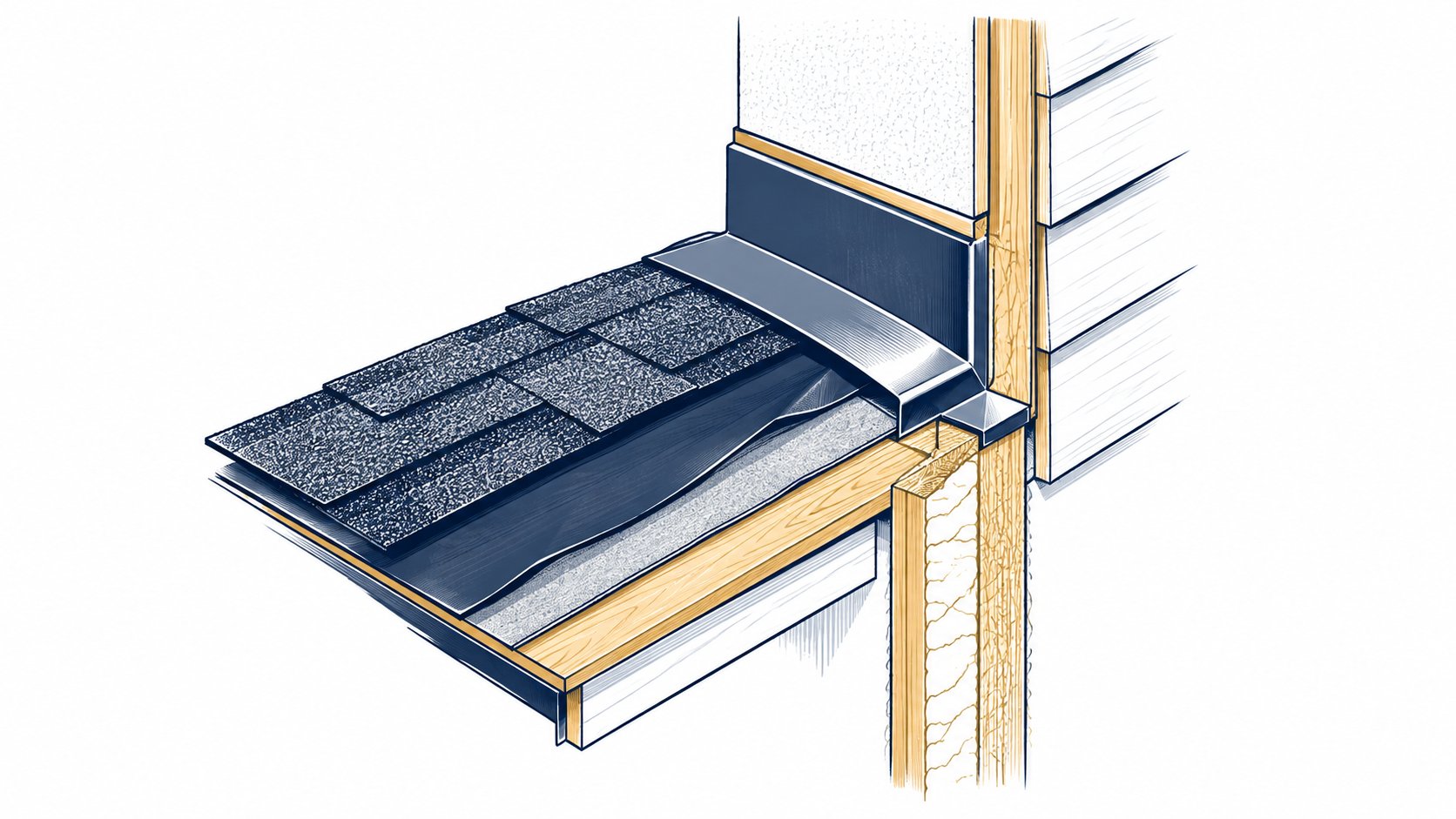
The seller should also provide permits, repair records, warranties, inspection reports, and notices affecting the residence. Compare those materials with the survey, physical inspection, and title commitment. Roof-to-wall joints are one useful inspection topic: ask who maintains the flashing and who is responsible for repairs if water enters at an interface. The illustration below is a generic component example, not a depiction of Harbor Place construction.
Record the unanswered questions
Keep a written list of unresolved items. Include parking, pets, occupancy, leasing, exterior alterations, insurance deductibles, flood exposure, reserves, assessments, litigation, and access rights. A question that remains unanswered at contract review shouldn't become an assumption at closing.
Comparing Asking Prices and Closed Sales
Compare the asking price with recent closed sales that match the residence as closely as possible. Confirm the transaction date, property type, living area, condition and contract terms before relying on a comparable. An initial list price and a completed sale answer different questions.
How to compare transactions responsibly
Condition, location within the community, upgrades, incentives, financing and contract terms can differ between transactions. A price comparison should explain those differences rather than assume every residence follows the same pattern.
A buyer should compare each prospective residence with the closest available evidence, then adjust only for documented differences. Review the contract price against inspection findings, completed improvements, title exceptions, association obligations, insurance costs, and current competing inventory. Don't use an old closing price to justify a new offer without confirming the residence's present condition and the market surrounding the transaction date.
Closed-sale comparisons do not establish future appreciation, investment return, rental revenue, occupancy or cash flow. A purchase decision should stand on verified ownership costs and a defensible valuation, not on an assumed future performance pattern.
Renovation and Shared-Use Questions
Before budgeting a renovation, obtain the current rules that apply to the exact residence. Ask whether written approval is required, who has authority to grant it, what materials must accompany an application and whether any recorded limits affect the proposed work. Do not assume a specific approval deadline or procedure without the governing documents.
Renovation planning starts before the contractor
Questions about approval can affect flooring, windows, doors, exterior colors, shutters, landscaping, patios, structural work, or other visible changes. A contractor's estimate doesn't create approval rights, and an informal statement from a neighbor or manager shouldn't replace the written process. The buyer should request the current renovation rules, ask whether a prior approval transfers to a new owner, and confirm whether any existing alteration was properly approved.
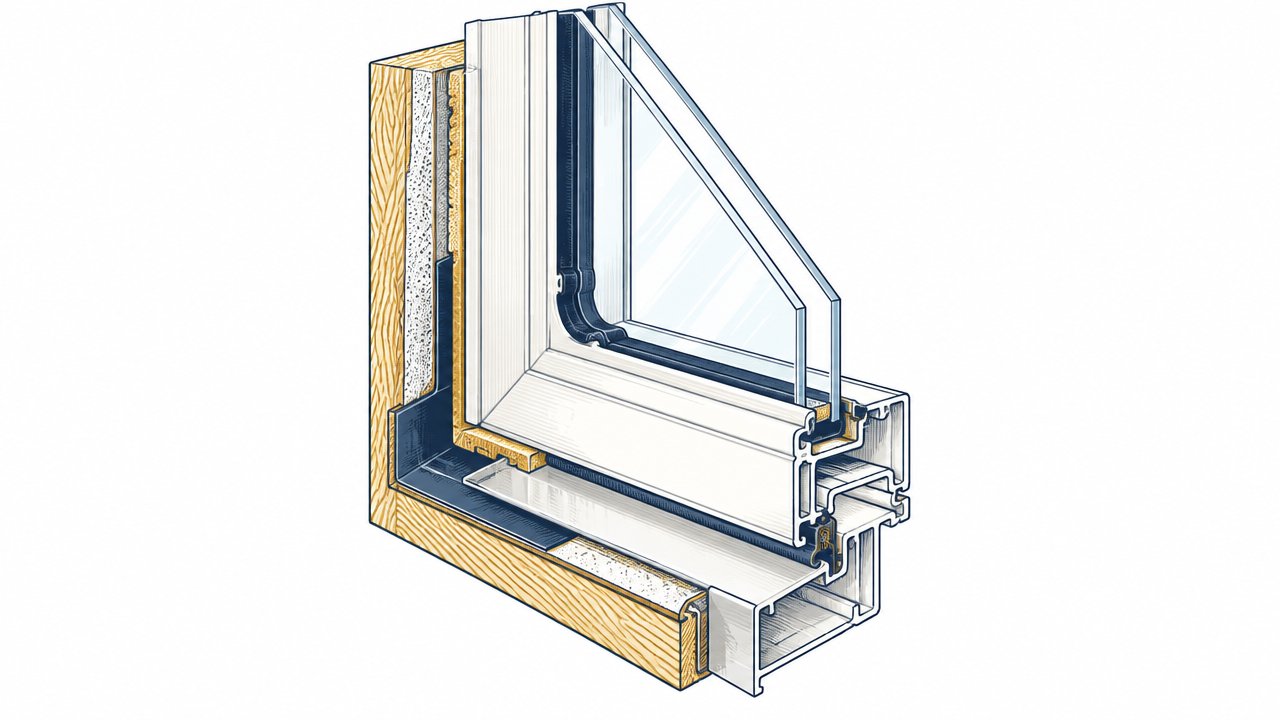
For a proposed window replacement, confirm both the product requirements and the installation responsibilities. Ask the inspector about visible weather-seal deterioration or moisture entry, and obtain a contractor's scope that distinguishes the window itself from surrounding wall repairs.
Practical rule: If the improvement changes the exterior, touches a limited common element, or affects shared systems, obtain written confirmation before treating it as permitted.
Confirm any advertised shared-use rights
If a listing advertises a shared amenity or access right, confirm the right in current recorded documents before assigning it value. Ask whether it transfers with the residence, whether there are separate charges or use restrictions, and who is responsible for maintenance.
A similar community's pool, spa, operating hours or access rules do not establish what belongs to Harbor Place Townhomes in Destin. Request the exact property's current records rather than assuming that a matching name proves a connection.
Flood Risk and Insurance Considerations
Flood and insurance analysis should be performed for the exact Harbor Place residence, not inferred from the community name or a broad neighborhood description. Review current map information, elevation evidence where available, building characteristics, deductibles and address-specific insurance terms.
Start with the exact parcel
Ask the title company, lender, insurance agent, or buyer's representative to identify the precise parcel and address. Then compare that information with current official flood mapping and Destin's mapping resources. The City of Destin flood map and mapping information provides a local decision path.
A map result isn't the entire insurance analysis. If an association provides insurance, request its master policy and the owner's separate coverage requirements. Review deductibles, exclusions, claims history where available, and any lender-required coverage. Ask how responsibility is divided for water intrusion, roofs, walls, windows, flooring, personal property, and improvements. The declaration and insurance documents control those answers.
Distinguish flood status from total risk
A residence outside a mapped special flood hazard zone can still face water intrusion, storm damage, wind exposure, drainage issues, or insurance exclusions. A residence inside a mapped zone may have additional lender and insurance requirements. Neither conclusion should be generalized from another unit.
Review any prior water-intrusion repairs with the inspector and insurance professional. A cosmetic repair or a new surface finish does not by itself explain the cause of past damage or the scope of the repair.
Short-Term Rental Eligibility Verification
A live rental listing doesn't prove that Harbor Place Townhomes permits short-term rentals. It may describe one owner's arrangement, a past listing, a manager's marketing position, or a use that depends on facts unavailable to a new buyer. It also says nothing about whether another unit has the same rights.
The permission test has several layers
Before relying on rental use, obtain the current property-specific declaration or covenants, all amendments, and the association's current leasing or rental rules. If those documents are unclear, obtain written confirmation from the association or authorized management. The documents should address the intended rental duration, registration process, owner occupancy requirements, guest restrictions, leasing limits, and any approval procedure.
Then verify government requirements separately. The City of Destin's short-term rental registration information should be reviewed for current registration and local compliance steps. Confirm zoning, licensing, life-safety requirements, occupancy, parking, and minimum-stay rules for the exact property. Government registration doesn't override private covenants, and association permission doesn't eliminate government obligations.
Rental use: Confirm both private restrictions and government requirements before relying on the intended rental duration.
MLS remarks, vacation-rental advertisements, guest reviews, past rental history, seller statements, manager marketing and market data aren't proof of permission. If the current documents do not clearly support the intended use, do not rely on rental-income or investment-return assumptions when evaluating the purchase. A leasing rule from another community is not a substitute for Harbor Place's own documents.
Comparative Due-Diligence Matrix
A useful comparison between Harbor Place and another Destin or Emerald Coast community should separate community-level obligations from residence-level evidence. That distinction prevents a polished listing from answering questions that only a title report, association file, insurer, surveyor, inspector, or lender can resolve.
| Review area | Community-level evidence | Residence-specific evidence |
|---|---|---|
| Identity | Recorded plat, applicable development records, declarations, amendments, association documents | Deed, legal description, parcel number, title commitment |
| Maintenance | Current rules, maintenance standards, budgets, minutes, reserve information | Inspection, repair records, warranties, permits, visible condition |
| Insurance | Master policy, deductibles, exclusions, claims information | Unit policy quote, lender requirements, improvements, flood and wind details |
| Restrictions | Recorded covenants, leasing rules, architectural standards, facility rules | Existing approvals, intended use, lease terms, proposed alterations |
| Condition | Common-area inspection and repair history | Roof or wall interfaces, windows, siding, systems, moisture evidence |
| Closing | Association disclosures, assessments, litigation information | Survey, title exceptions, financing approval, insurance availability |
Compare evidence, not labels
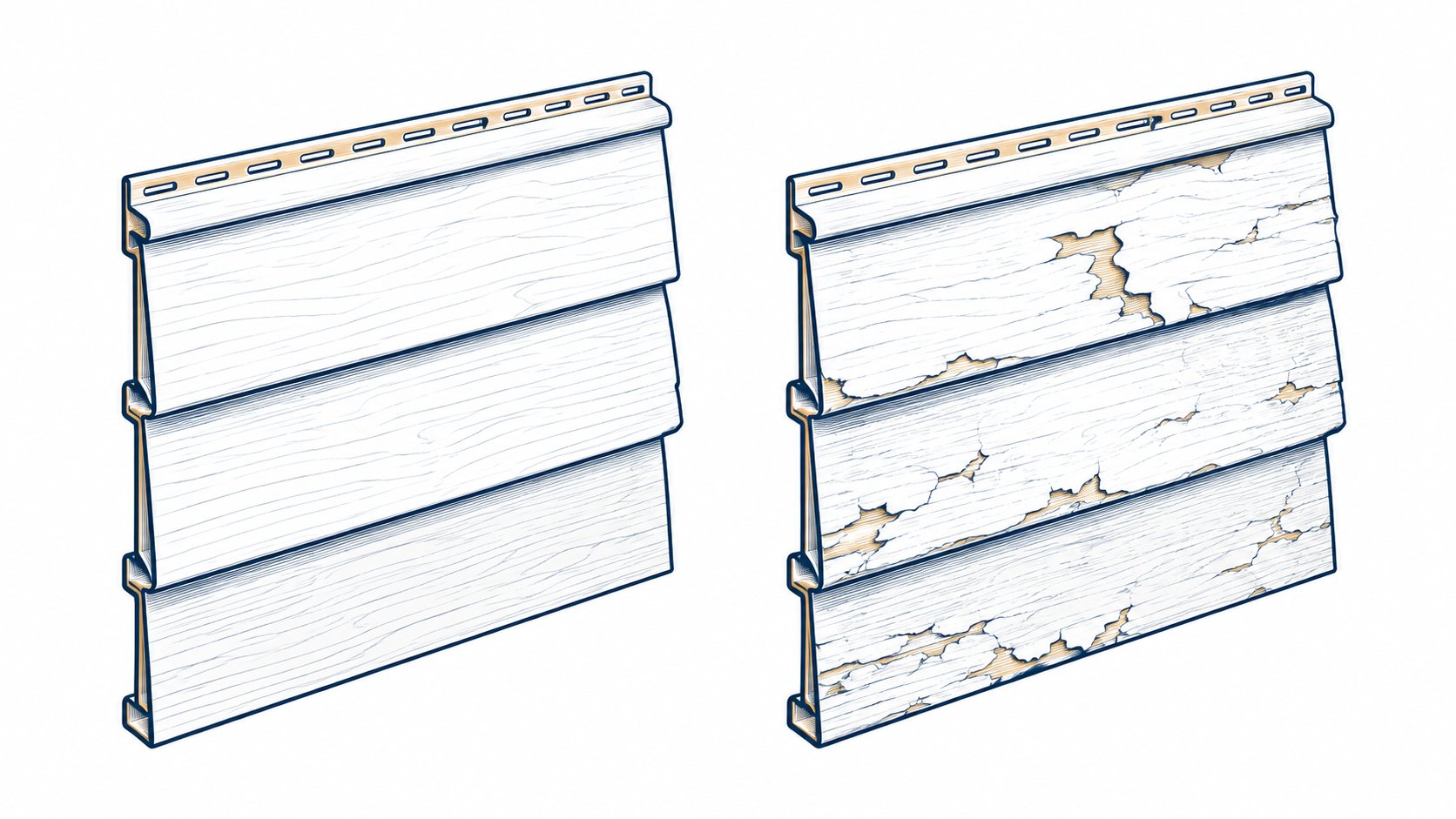
Compare the available governing records, the clarity of maintenance responsibilities, the cost of insurance, the condition of the specific residence and the documented basis for intended use. Exterior surfaces can look different even when the underlying construction is similar; ask an inspector to distinguish visible wear from conditions that need specialist investigation.
For broader context, compare current Destin homes for sale, while keeping each candidate in a separate purchase file.
Before making an offer, identify the exact parcel, obtain the governing documents, order title and survey work, request insurance terms, inspect the residence, and verify any intended lease or renovation use in writing. That process produces a decision based on evidence rather than on an attractive listing description.
Dream Destin Realty helps buyers compare Destin townhomes, review current inventory, coordinate property-specific due diligence, and evaluate title, association, insurance, inspection, and financing questions. Contact Dream Destin Realty to discuss Harbor Place Townhomes or another Emerald Coast property with a team that treats rental use and ownership assumptions as items to verify before you rely on them.


