
Steps to Buying a House: A Plain Guide for 2026
Learn the steps to buying a house in order, from budget and preapproval to offer, due diligence, financing and closing, with plain-language checkpoints.

On this page
On this page
Buying a house moves through six practical checkpoints: budget and preapproval, search, contract, due diligence, financing, and closing. For a buyer comparing saved listings and wondering what comes next, the safest approach is to match each commitment of money to a document. A lender's approval alone doesn't establish that a particular property is suitable or affordable to own.
Table of Contents
- What Are the Stages of Buying a House?
- How to Set a Budget and Get Preapproved
- How to Search and Write an Offer That Holds Up
- How to Run Due Diligence Before Deadlines Pass
- How Financing Moves Toward Closing Day
- Questions Buyers Ask Before Closing
What Are the Stages of Buying a House?
The steps to buying a house separate decisions about borrowing from decisions about the property itself. The lender evaluates the borrower and the proposed collateral, while the buyer investigates condition, ownership, insurance, taxes, and recurring expenses.
Fannie Mae's homebuying guidance describes the purchase process and the separate work involved in financing and evaluating a home. A preapproval estimates borrowing capacity; an inspection identifies defects and maintenance risks; an appraisal supports the lender's valuation decision; and title work examines whether ownership can transfer without unresolved claims.
| Stage | Main question | Done when the buyer has |
|---|---|---|
| Budget and preapproval | What is affordable after all costs? | A written preapproval and a cash-to-close estimate |
| Search | Which properties meet the criteria? | A short list scored against written criteria |
| Offer and contract | What terms protect the purchase? | A signed purchase agreement with contingencies |
| Due diligence | What is the property's real condition and cost? | Inspection, title, insurance, and association findings |
| Financing and appraisal | Will the lender approve this property and loan? | Loan approval and the appraisal report |
| Final review and closing | Do the final figures match the agreement? | Reviewed Closing Disclosure and signed closing documents |
The exact order and deadlines follow the purchase contract and location. Buyers should obtain the dates in writing rather than assume every transaction follows the same calendar.
For Emerald Coast buyers still choosing a property type, the condo, townhome or house comparison provides a starting point for organizing questions about ownership responsibilities.
How to Set a Budget and Get Preapproved
A lender's maximum approval isn't the same as a comfortable monthly payment. The useful starting point is an all-in ownership budget, followed by a documented review of borrowing capacity.
- List the complete monthly cost. Include principal and interest, property taxes, homeowners insurance, applicable flood or wind coverage, association fees, utilities, and a maintenance reserve. Mortgage insurance, when applicable, belongs in the calculation too.
- Gather the financial records. Keep pay stubs, bank statements, tax returns, debt statements, and any gift documentation together. Clear records help the lender understand both ongoing income and the source of purchase funds.
- Request written preapproval and estimated cash to close. Cash to close means the funds needed to complete the transaction, after accounting for deposits and applicable credits. The buyer should distinguish that amount from the down payment alone.
- Keep finances steady during the application. Avoid opening new credit or making major purchases without first discussing the consequences with the lender. Job changes and large unexplained deposits can also require additional review.
- Test a less comfortable scenario. Recalculate the budget with higher insurance, taxes, and maintenance expenses. Before a rate is locked, the buyer should also ask how a higher interest rate would affect the proposed payment.
Fannie Mae's debt-to-income guidance addresses the lender's evaluation of income and debt, including information identified during origination. A preapproval therefore isn't permission to stop reporting financial changes.
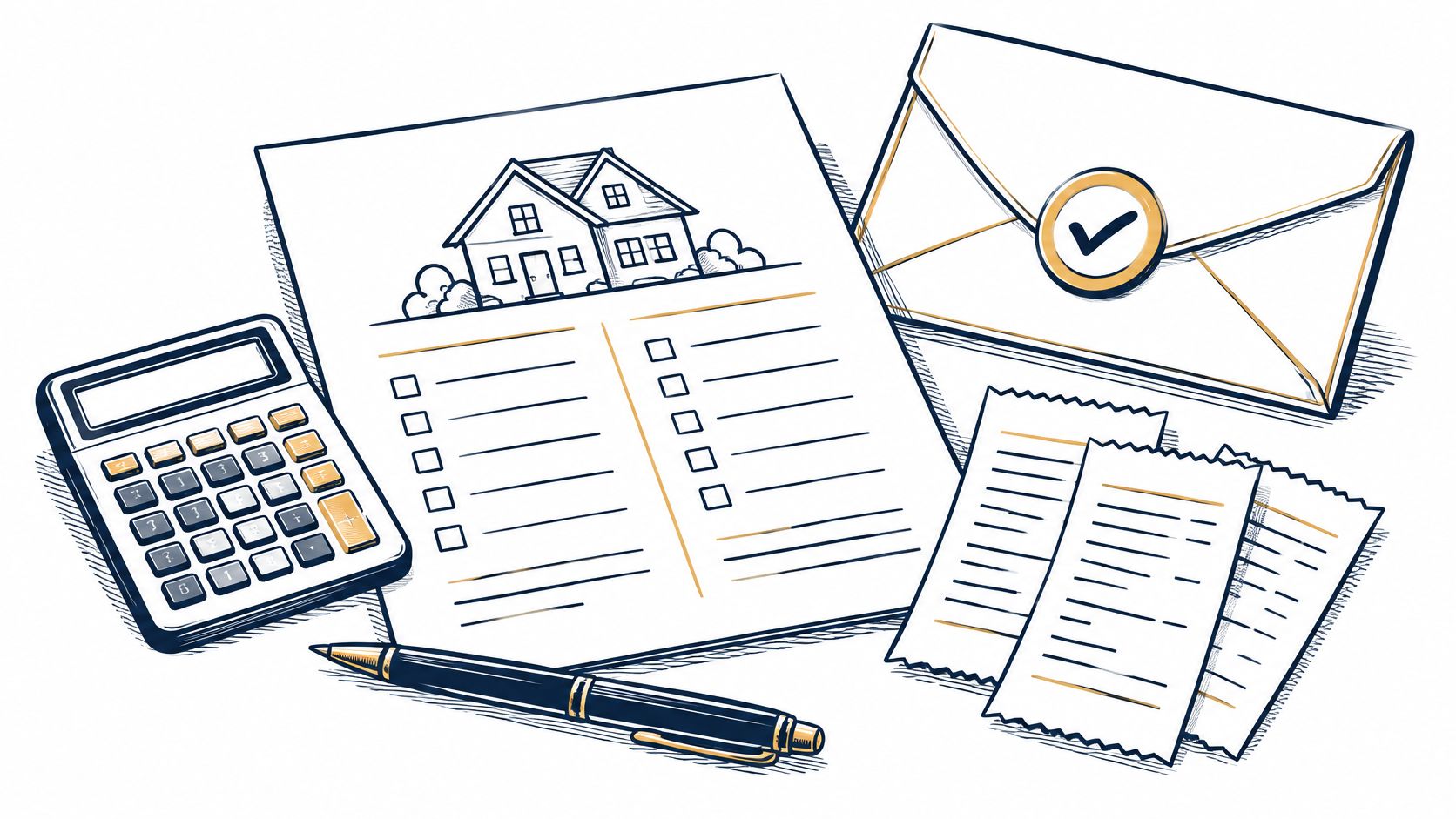
Keep purchase cash separate from ownership reserves
A buyer who spends every available dollar at closing has no cushion for an immediate repair. A savings plan should distinguish transaction funds, moving expenses, and money retained after possession.
Buyers coordinating a purchase from elsewhere can also consult local guidance for out-of-area homebuyers.
Budget test: The payment should remain manageable after recurring ownership expenses, not merely fit within the lender's approval.
How to Search and Write an Offer That Holds Up
A useful search begins with written criteria: spending limit, commute requirements, property type, intended use, and essential physical features. Buyers should score each candidate against the same criteria rather than let attractive finishes outweigh an unsuitable layout or unresolved ownership costs.
A single-family home, condominium, and second home can raise different questions. The comparison should focus on documented maintenance obligations, association requirements, physical features, and the buyer's actual use plan.
Compare the protections before comparing the price
An offer establishes more than the purchase price. It also addresses deposits, closing timing, included items, and contingencies, which are contract conditions that may provide a way to cancel or renegotiate under specified circumstances.
The following protections must appear in the agreement to be useful. Their wording, notice requirements, and deadlines control how they work.
| Contingency | What it protects against | Check before the deadline |
|---|---|---|
| Inspection | Undisclosed defects and repair costs | Inspection report and repair estimates |
| Financing | Loan denial or a changed loan offer | Written loan approval and final loan terms |
| Appraisal | Price above the property's appraised value | Lender's appraisal report |
| Title | Ownership problems, liens, or competing claims | Title commitment and listed exceptions |
| Insurance | Coverage unavailable on acceptable terms | Written insurer quotes for the property |
For example, a financing condition shouldn't be assumed to address every possible appraisal shortfall. The buyer needs to understand what the actual clause covers, what action it requires, and when notice must arrive.
Title expenses also belong in negotiations. Who pays for the owner's title policy is a contract term, so confirm it before signing.
Before committing funds, the buyer should establish who selects the title or closing provider and who pays the owner's premium. Every promise about repairs, credits, or included property should appear in the contract or a signed addendum.
The Destin Buyer's Agent page offers a local contact starting point for purchase discussions.
How to Run Due Diligence Before Deadlines Pass
Due diligence is the investigation that tests the assumptions behind the offer. Each unresolved issue should have a responsible professional, a supporting document, and a contract deadline.
An appraisal doesn't replace an inspection. Valuation for lending purposes doesn't certify workmanship, future insurability, or the absence of hidden defects.
- Inspect the structure and major systems. The question is what requires repair, monitoring, or further investigation. The independent inspection report should identify observed concerns and limitations.
- Commission targeted specialist reviews. A roof, seawall, pool, septic system, termite concern, mold concern, or flood exposure may call for additional evaluation. Written specialist findings help distinguish a suspected issue from a documented repair need.
- Check permits and code records. The relevant building authority is the place to investigate recorded permits and code status. A listing description or seller's verbal assurance isn't a substitute for those records.
- Read the ownership documents. Review the title commitment, easements, survey, and seller disclosures together. An easement or boundary concern deserves clarification before the buyer accepts the property's limitations.
- Confirm insurability early. Obtain property-specific quotes and ask about flood coverage, wind deductibles, exclusions, roof requirements, and conditions for binding coverage. A preliminary quote shouldn't be mistaken for confirmation that every underwriting condition has been satisfied.
- Examine association obligations. Review governing documents, budgets, reserves, assessments, restrictions, and available inspection records. If rental use matters, examine recorded declarations and amendments, applicable association rules, and local requirements for the exact property.
- Price documented defects. Obtain repair estimates and base negotiations on findings rather than cosmetic preferences. Keep the agreed resolution in a signed written document.
Keep a contract calendar with a separate completion date for each investigation.
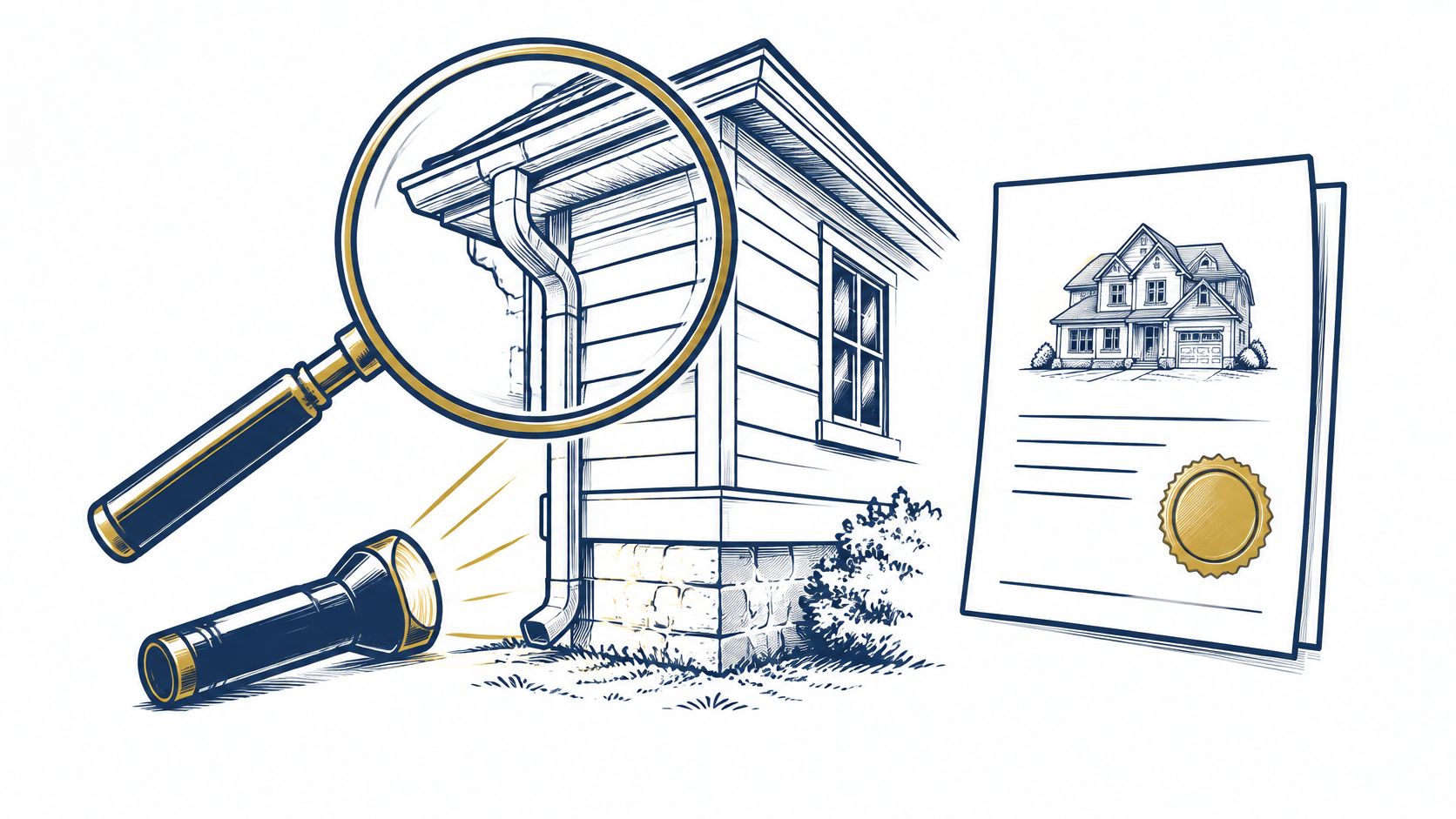
Keep building-level questions visible
Dream Destin Realty helps clients review available building records, including association information, inspections, reserves, rental rules, and insurance, as part of purchase due diligence. The Gulf-front condo buying checklist provides a focused resource for organizing those questions.
An unanswered question should remain an open task, not become an assumption when a deadline approaches.
How Financing Moves Toward Closing Day
The Closing Disclosure is a formal review checkpoint before signing. For covered mortgage transactions, the lender must deliver it at least three business days before closing, and certain loan changes can require a corrected disclosure and another waiting period, as explained in the Florida Bar's consumer homebuying guidance.
The lender also completes underwriting, meaning its final review of the borrower, property, and loan conditions. Buyers should ask which conditions remain outstanding instead of treating an earlier preapproval as final authorization to fund.
Compare the documents line by line
The buyer should place the earlier Loan Estimate beside the Closing Disclosure and work through the following checks:
- Loan terms: Confirm the loan amount, interest rate, and projected monthly payment.
- Charges and credits: Examine prepaid taxes, insurance, lender credits, and settlement charges.
- Deposit accounting: Verify that deposits and seller credits receive the agreed treatment.
- Repair arrangements: Confirm how any negotiated credits or other closing arrangements are documented.
- Settlement responsibilities: Check that title and escrow arrangements match the agreement.
| Closing item | What it is | Where to confirm |
|---|---|---|
| Loan Estimate | Early estimate of loan terms and closing costs | Lender, compared with final figures |
| Closing Disclosure | Final loan terms, payment, and costs delivered before signing | Lender, during the required review period |
| Documentary stamp tax on the deed | Florida tax on taxable consideration, potentially including debt and noncash property | Purchase contract and settlement statement; ask the settlement agent for the calculation |
| Owner's title insurance premium | One-time premium, with payment responsibility addressed in the contract | Purchase agreement and title provider |
| Prepaid taxes and insurance | Upfront payments and any amounts collected to establish escrow reserves | Closing Disclosure |
| Cash to close | Total funds needed to complete the purchase | Closing Disclosure and final settlement statement |
The Florida closing costs resource can help organize questions about these categories. Unexplained changes should be resolved before funds are sent.
The final walkthrough serves a different purpose from the financial review. The buyer should check agreed repairs, included items, and the property's condition against the contract, then raise discrepancies before signing.
Questions Buyers Ask Before Closing
Closing questions turn on the particular property, loan, and purchase agreement. Title, insurance, lending, and tax questions should go to the qualified professionals responsible for those parts of the transaction.
Does an appraisal establish that the house is in good condition?
No. Fannie Mae's appraisal-report review guidance addresses the lender's evaluation of the property's value, condition, and marketability, but an appraisal doesn't replace an independent inspection.
Does receiving a deed eliminate the need to review title insurance?
No. The Florida Bar's explanation of title insurance describes a process involving a title search, commitment, and policy; the buyer should examine requirements and exceptions because coverage doesn't extend to every possible property problem.
Is documentary stamp tax based only on cash paid at closing?
No. The Florida Bar's discussion of documentary stamp tax consideration explains that taxable consideration can include debt and noncash property, so the settlement agent should explain the transaction's calculation and contractual allocation.
Is FHA financing limited to first-time buyers?
No. HUD's National Homeownership Month publication describes FHA-insured purchases by both first-time buyers and other homebuyers; eligibility for a particular loan still requires lender review.
Dream Destin Realty offers buyer, seller, and investor guides, a blog, and home valuation resources. Buyers planning an Emerald Coast purchase can visit the brokerage's contact page to discuss their purchase goals and the property-specific questions that need attention before the next commitment.


