
Caribbean Dunes Destin: The Complete Buyer Guide
Explore Caribbean Dunes in Destin, compare phase and unit records, review ownership costs and association documents, and plan your condo purchase.

On this page
On this page
Caribbean Dunes is a Destin condominium whose Florida DBPR project entry lists 53 units and a condominium recording date of September 19, 1997. County records place Phase I at 73 Shirah Street, Destin, giving this phase a concrete local address reference.
Caribbean Dunes adds a phase-specific option to Destin's condominium search. A buyer comparing residences can explore the broader Destin market overview alongside the community's Shirah Street address reference, then focus on the floor position, interior condition and ownership costs of the available residence.
Table of Contents
- Understanding Caribbean Dunes Phase 1 in Destin
- Physical Property Details and Community Layout
- Unit Configuration and Living Space Options
- Governing Documents and Association Records
- Short-Term Rental Eligibility and City Registration
- Ownership Costs and Building Resilience Analysis
- Pricing Evidence and Market Context
- Buying Process and Next Steps for Buyers
Understanding Caribbean Dunes Phase 1 in Destin
A Caribbean Dunes buyer can compare the exact residence with other Destin condos through its address, phase and documented ownership costs. A listing headline alone does not answer which parking, balcony or shared-area rights transfer with the purchase.
Official Okaloosa County property records identify Caribbean Dunes Ph I at 73 Shirah Street, Destin, Florida 32541. That confirms the Phase 1 identity and Shirah Street context. It doesn't establish the total number of units, the complete site plan, access rights, amenities, leasing rules, or condition of every building.
The county record identifies the Shirah Street example as Phase I. The distinction between a phase, a building and an individual residence matters because a listing that uses the community name may refer to a different parcel or set of governing documents.
Practical rule: Caribbean Dunes was filed in two phases, Phase I at 73 Shirah Street and Phase II at 71 Woodward Street, under one registered association; confirm the exact phase, unit, parcel, and governing declaration from the seller's documents.
The Caribbean Dunes property and market records offer current community context and a starting point for finding available residences. Use the certificate of occupancy and building file, not a project recording date or a neighboring unit, to establish the age of the exact building.
Physical Property Details and Community Layout
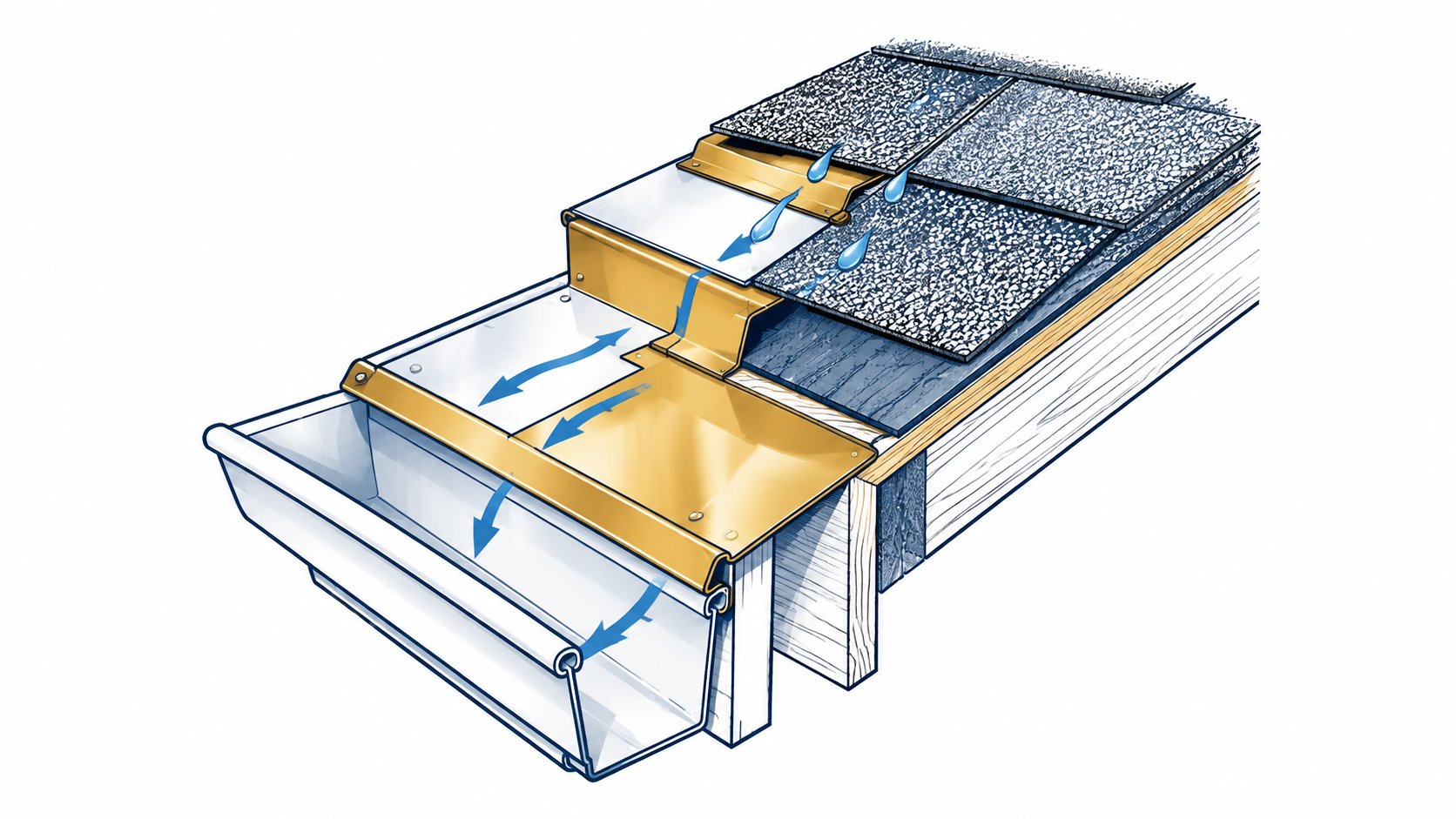
The public project register describes Caribbean Dunes as a condominium, but it is not a current site plan or a maintenance schedule. For a buyer, the community name alone is not specific enough. Identify the exact phase, building and parcel before drawing conclusions about maintenance responsibility or access. Roof edges and flashing are examples of components an inspector may evaluate; the illustration below explains a generic detail, not the construction of Caribbean Dunes.
What building design changes
Building height, floor level and usable living area should come from the exact building and unit records. Ask how stairs, entrances and shared systems affect everyday use, inspection access and maintenance obligations. A dimensional drawing of another residence cannot establish the space or equipment included in this purchase.
A parcel area is not the same as a condominium unit area. Review the recorded plan and declaration to distinguish the residence, limited common elements and shared land instead of converting a site measurement into usable living space.
That layout affects due diligence. Roofs, stairs, exterior walls, drainage, pavement, utility runs, pools, and other common elements may sit with the association, or with a mix of unit and common-element responsibility depending on the governing documents. Do not assign responsibility based on appearance. Read the declaration, plats, maintenance provisions, reserve study, and current budget.
Why comparability matters
A Phase I residence should be compared against units with documented similar attributes first. Floor level, balcony rights, parking and renovation condition can affect the comparison. Match the physical layout against title documents, association records and actual condition before relying on an asking price.
Unit Configuration and Living Space Options
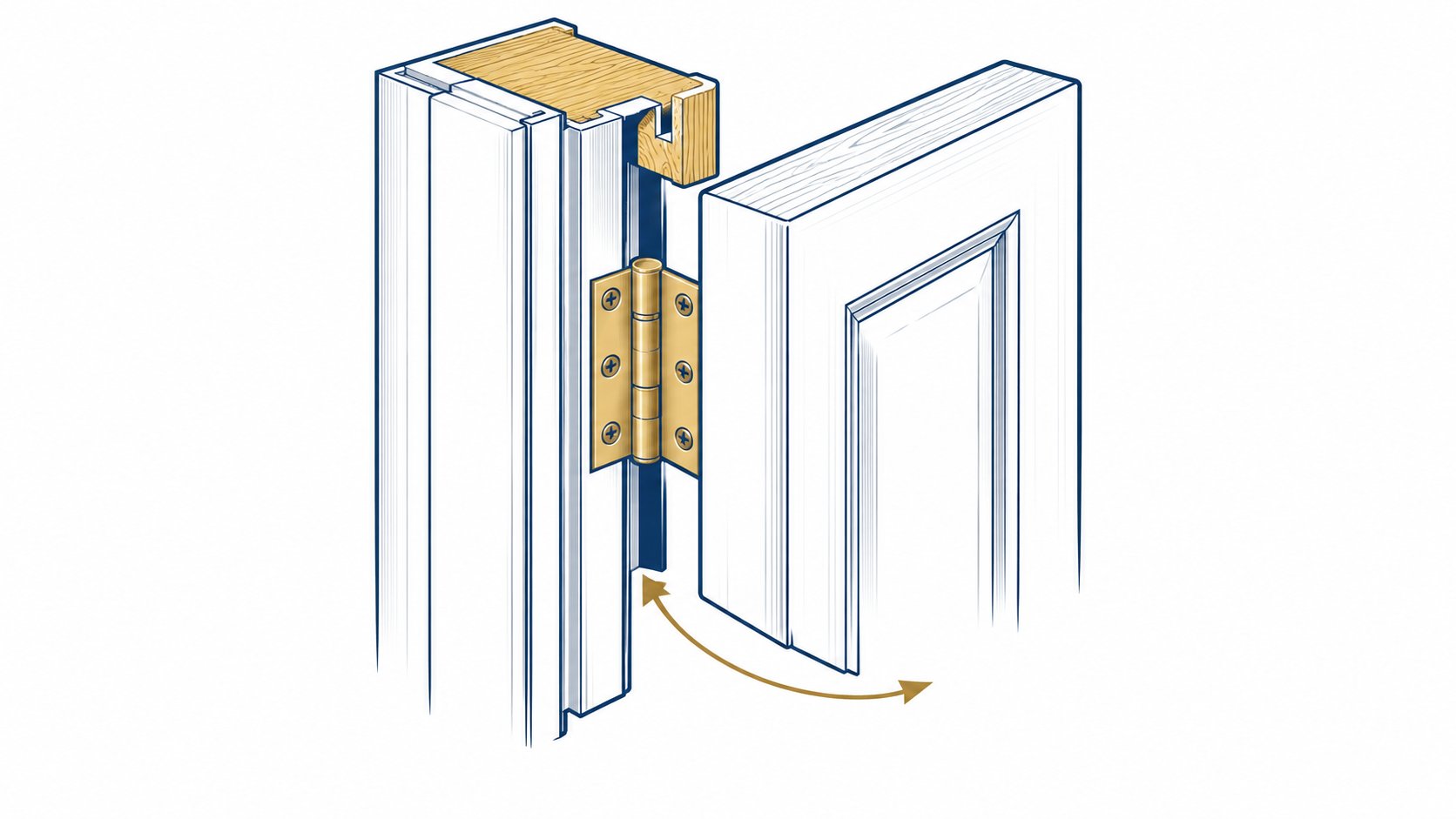
Confirm the approved bedroom count, measured living space, laundry and appliance configuration for the exact residence. Check door swing and circulation during a visit, including whether furniture obstructs normal movement. The generic hinge illustration explains clearance; it is not a Caribbean Dunes floor plan. Guest capacity, parking assignments and access to shared facilities require the current rules and recorded rights, not an advertisement.
Questions about unit features need written answers. A listing is not a substitute for the declaration, recorded plat, unit survey, current site plan, or association rules. A buyer needs to confirm whether a balcony is part of the unit or a limited common element, who maintains exterior features, and whether an alteration requires board approval.
Request the unit file before relying on the layout
Use a written request that identifies the exact Phase 1 unit and asks for:
- Recorded boundaries: Declaration, plat, amendments, unit dimensions, limited common elements, balcony rights, and storage assignments.
- Current rules: Parking, pets, smoking, occupancy, guests, alterations, quiet hours, leasing, and management requirements.
- Physical specifications: Approved bedroom count, appliances, laundry equipment, plumbing changes, electrical work, and permitted renovations.
- Shared facilities: Current site plan, beach or water-access documents, pool obligations, grill areas, parking allocation, and maintenance responsibilities.
- Unit history: Seller disclosures, repair invoices, permits, insurance claims, open violations, and any pending association notice.
The distinction between advertised occupancy and legally recognized bedroom count is especially important. A listing may describe sleeping areas that don't change the unit's legal bedroom classification, and that classification can affect local occupancy rules.
For buyers comparing communities, Destin condos for sale offers broader inventory context. Use that comparison to identify alternatives, not to assume that another building has the same access, dues, insurance structure, or leasing rights.
Governing Documents and Association Records
The Florida DBPR project register, checked October 14, 2026, names CARIBBEAN DUNES OWNERS' ASSN INC as the managing entity for the project. That public administrative record does not establish the full governing documents or their application to a particular residence. Ask the seller and association to connect the exact legal description to the current declaration, amendments and rules.
Phase I and other condominium choices
Compare the Phase I residence with other condominium choices through the applicable recorded documents, not naming conventions. A shared community name does not, by itself, establish identical maintenance obligations, parking arrangements or amendments. Obtain the declaration and amendments tied to the exact residence before comparing dues or intended use.
The same discipline applies when comparing Caribbean Dunes with a larger Destin condominium. A tower may have a different reserve profile, insurance program, elevator exposure, inspection history, and common-element budget. A newer building may reduce some age-related concerns while introducing different costs or restrictions. Asking which building has the lower unit price is less useful than asking which building's total obligations are documented clearly.
The declaration, bylaws, rules, budgets, minutes, reserve materials, insurance documents, inspection records, litigation disclosures, and assessment notices belong in one review file. Current Florida condominium requirements and disclosures should be checked through applicable official sources, including the Florida condominium statute framework.
Critical Document Checklist for Caribbean Dunes Buyers
| Document Type | Purpose for Buyers | Who Provides It | Contract Deadline |
|---|---|---|---|
| Declaration and amendments | Establishes unit boundaries, common elements, leasing rules, assessments, and use restrictions | Seller, association, title company, or county records | Before the due-diligence deadline |
| Bylaws and current rules | Defines governance, approvals, parking, pets, occupancy, alterations, and enforcement | Association or management company | Before relying on any intended use |
| Budgets, financials, reserves, and assessment notices | Shows dues, reserve funding, planned work, special assessments, and financial exposure | Association or manager | Before the document-review deadline |
| Insurance declarations and claims history | Clarifies building coverage, deductibles, exclusions, and prior loss information | Association, manager, seller, or insurer | Before insurance and financing approval |
| Inspection and maintenance records | Identifies structural reviews, repairs, recurring problems, and open recommendations | Association, manager, engineer, or seller | Before the inspection objection deadline |
| Title, survey, plat, and unit records | Confirms legal identity, boundaries, easements, parking, and recorded rights | Title company, surveyor, county records, seller | Before closing and title approval |
| Rental registration and written leasing confirmation | Tests city compliance and association permission for the intended stay length | City, association, manager, and seller | Before relying on rental use |
A useful local comparison is the Dream Destin Realty guide to Emerald Dunes, but no neighboring community's documents can establish Caribbean Dunes rights.
Short-Term Rental Eligibility and City Registration
A Caribbean Dunes listing can advertise vacation use without proving that a buyer may continue that use. The City of Destin requires short-term rentals inside city limits to register every year. Registration opens January 1, and the City charges a late fee after March 31. The City's registration page and current guide list which properties must register and the full requirements. Ask the city which current zoning, registration, business-tax, licensing and operating requirements apply to the exact condo address and intended stay length.
Registration is only one part of the analysis. The property still needs to satisfy the applicable zoning requirements, and the association's declaration, amendments, bylaws, rules, and enforcement history may prohibit or limit leasing. A city registration cannot override a condominium restriction.
Use a three-part eligibility test
First, confirm the city status. Request current written guidance for the exact address, property type and intended use. A seller's City registration does not transfer to a new owner or a new management company; plan to register in your own name. An advertised rental or a registration belonging to another property does not establish eligibility for this purchase.
Second, confirm zoning and operating requirements. Verify the address, applicable category, occupancy limits and safety requirements directly with the city. The City of Destin short-term-rental FAQ provides background, but its house examples should not be treated as an exact-unit condominium occupancy approval.
Third, obtain association permission in writing. Request the declaration, every amendment affecting leasing, current rules, board minutes, violation notices, rental caps, minimum-stay provisions and written confirmation for the specific residence. Separate enforceable association restrictions from a rental manager's house rules. On our site, Caribbean Dunes is marked Short-Term Rental Eligible, based on Dream Destin Realty's own review. Confirm the recorded documents, current association rules and City registration for the exact unit before relying on rental income.
The Emerald Coast 2026 STR update is useful for broader regulatory context, while the exact unit still requires current written confirmation.
If any part of the three-part test is missing, conflicting, or restrictive, don't use rental income, occupancy, booking history, or projected performance to justify the purchase. Treat advertised rental activity as a lead for document requests, not proof of a durable right.
Ownership Costs and Building Resilience Analysis
The purchase price is only one part of the Caribbean Dunes cost equation. A buyer also needs to understand association reserves, insurance deductibles, wind and storm exposure, common-element repairs, special assessments, and the division between unit maintenance and association obligations.
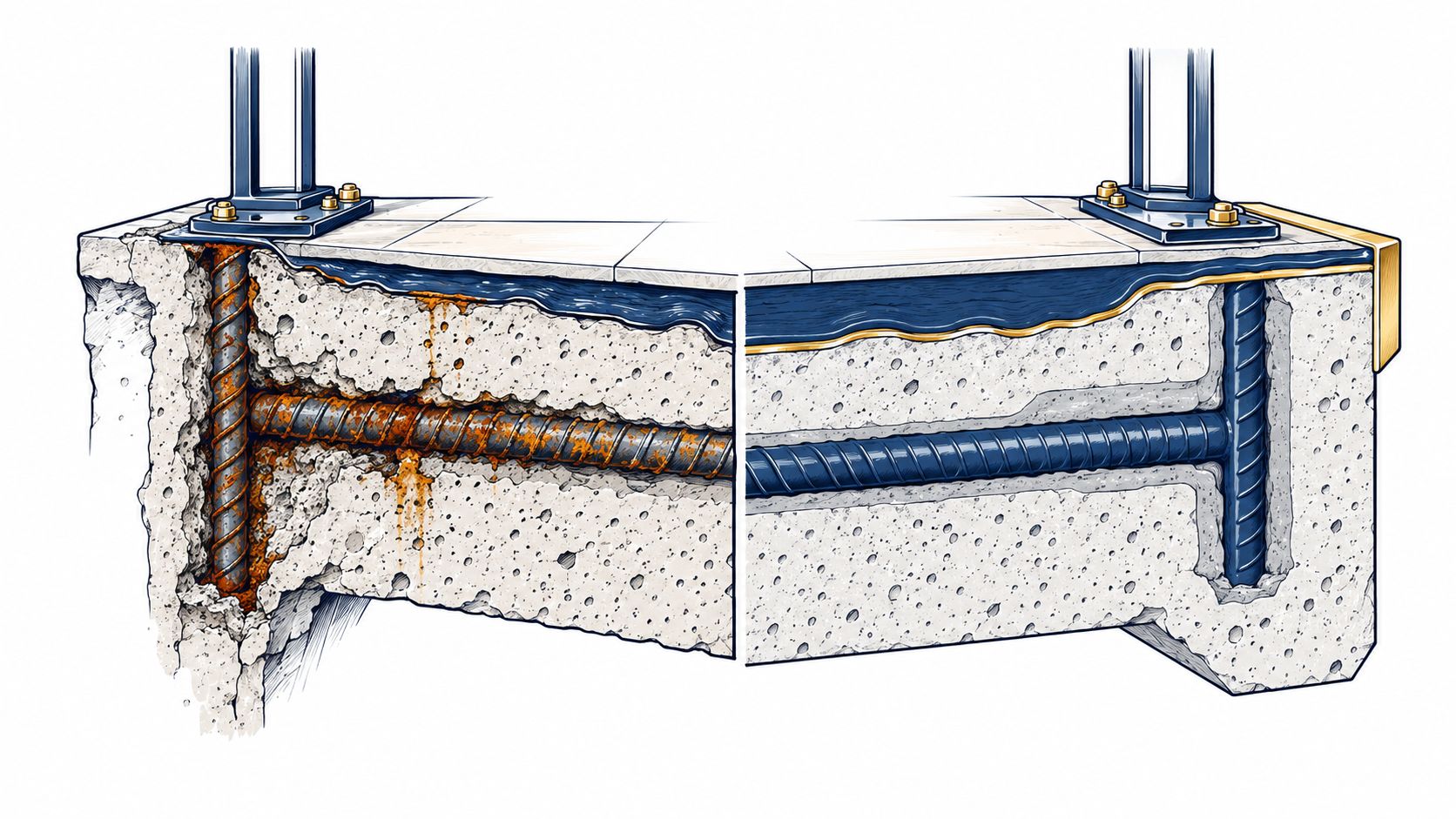
Florida law requires milestone inspections for qualifying residential condominium buildings that are at least three habitable stories tall when they reach 30 years of age, and at 10-year intervals afterward (Florida milestone inspection statute). The local enforcement agency can require an earlier inspection because of local circumstances, and statutory exceptions and timing provisions matter. Confirm the exact building's classification, certificate of occupancy, height and local notices before deciding whether an inspection is due. The illustration below explains generic concrete and reinforcement deterioration, not the condition of this community.
Read the financial file as a future-cost document
Ask for current budgets, reserve studies or reserve funding materials, bank balances, recent meeting minutes, assessment notices, repair contracts, insurance declarations, claims history, deductibles, and any engineer or inspection reports. Then match each cost to the legal party responsible for payment.
An older coastal building may have a lower list price than a newer alternative yet carry more uncertainty around roofs, exterior coatings, drainage, windows, stairs, foundations, mechanical equipment, or storm repairs. The right question isn't just whether dues look affordable today. It's whether the association has documented funding for known obligations and a clear process for unexpected work.
Separate three types of exposure
- Unit exposure: Interior finishes, appliances, plumbing fixtures, electrical components, and unauthorized alterations may fall to the owner, subject to the declaration and applicable law.
- Common-element exposure: Roofs, exterior surfaces, stairs, shared grounds, pools, and other facilities may be association responsibilities, but the documents control the allocation.
- Event exposure: Wind damage, water intrusion, flooding, deductibles, emergency repairs, and assessment decisions can affect owners even when the unit itself looks well maintained.
The Dream Destin Realty checklist provides broader coastal-condominium questions. For Caribbean Dunes, those questions must be answered with current Phase 1 records and exact-unit evidence.
Pricing Evidence and Market Context
A buyer reviewing Caribbean Dunes market evidence should treat each comparable as a data point tied to one residence, not as a shortcut to community-wide value. Request a current, appropriately sourced comparison for the exact condo, including the evidence date, selection criteria and adjustments. An old transaction or an advertised price does not establish current value.
That distinction matters.
At Caribbean Dunes, comparisons should account for floor level, documented view and parking rights, updates, furnishings and transaction terms. A worn fixture can help explain why condition matters, but the generic hinge comparison below is not evidence of any residence's condition. One transaction does not establish a reliable price floor for every other unit.

Build a unit-level comparison
Price opinions should start with the exact condo under contract, then widen only after the basics match.
- Match physical attributes: Compare square footage, bedroom count, floor, balcony, parking, building, and phase.
- Adjust for condition: Separate original interiors from renovated units. Confirm work through permits, invoices, and association approval where required.
- Review ownership costs: Compare dues, assessments, insurance obligations, reserves, and known repair exposure.
- Check legal use: Do not assign rental value until association rules and city requirements are confirmed for the intended stay length.
- Use recent evidence carefully: A recorded sale supports negotiation. It does not prove what another unit is worth today.
Asking prices can help frame seller expectations, but verified closed comparables and the exact residence's obligations support a more useful negotiation discussion. Building-level and unit-level analysis should be considered before relying on broad Destin condo averages.
Buying Process and Next Steps for Buyers
Start with the exact property identity. Confirm the phase, street address, unit number, parcel, legal description, and recorded plat before reviewing pricing or use.
Then make the offer contingent on a practical document process. Request the declaration and amendments, association financials, current rules, insurance file, inspection and maintenance records, title materials, flood information, parking and access documents, and all unit-specific disclosures. Set contract deadlines that leave enough time for the association, city, title company, insurer, lender, and seller to respond.
Use the decision matrix
| Question | Records that answer it | Primary provider | Decision affected |
|---|---|---|---|
| What exactly am I buying? | Declaration, plat, title commitment, legal description, unit records | Seller, title company, county records | Proceed with title and boundary review |
| What can I do with the unit? | Declaration, amendments, bylaws, current rules, written association confirmation | Association, manager, seller | Approve or reject the intended use |
| What could the association charge? | Budget, reserves, assessments, minutes, repair plans | Association or manager | Compare total ownership exposure |
| What protects the building? | Insurance declarations, claims, inspection reports, maintenance records | Association, insurer, engineer | Evaluate physical and insurance risk |
| Can the purchase be financed? | Project questionnaire, budgets, insurance, litigation disclosures, lender requirements | Association, lender, seller | Confirm financing feasibility |
| What belongs with the unit? | Parking assignments, storage records, access documents, site plan | Association, title company, seller | Confirm practical use and resale value |
| What must still be inspected? | Unit inspection, permits, repair invoices, seller disclosures | Inspector, seller, local records | Set repair requests and closing conditions |
Before submitting an offer, identify the contract deadline for each document category. If the association hasn't supplied current records, don't fill the gap with an old listing, a manager's informal statement, or another unit's history.
A qualified inspector can evaluate electrical safety components as part of the exact unit inspection. The outlet illustration is a generic inspection reminder, not a claim about installed equipment or a substitute for testing by a qualified professional.

A buyer who wants help can ask a local representative to coordinate the building file, compare Phase 1 evidence with other Destin options, and keep rental questions separate from pricing analysis. For a Caribbean Dunes consultation, bring the exact listing, intended use, financing position, and target closing schedule to contact Dream Destin Realty.
Dream Destin Realty offers buyer representation and building-level review for Caribbean Dunes purchases, including document coordination, unit comparisons, and questions about association and city requirements. Visit Dream Destin Realty to discuss the specific Phase 1 unit before you rely on rental use, estimated ownership costs, or a community-wide pricing assumption.


