
Grand Mariner Destin Condos: Buyer Guide
Explore Grand Mariner Destin condos through phase identity, association records, insurance, inspections, financing questions, and a practical buyer checklist.

On this page
On this page
Grand Mariner brings your Destin condo search to the Highway 98 East corridor. Okaloosa County's community address records for 1100 Highway 98 East in Destin provide a concrete location reference for comparing residences here with other options in the city.
Start with how the selected residence would work for you: usable room arrangements, storage, equipment access and the terms of the proposed purchase. Compare those practical choices alongside the phase reference attached to the residence, rather than treating every listing under the Grand Mariner name as an identical ownership package.
Table of Contents
- Grand Mariner Destin Condos at a Glance
- Compare Grand Mariner Purchase Categories
- Identify the Correct Phase and Governing Entity
- Read Association Rules and Financial Records
- Check Milestone Inspections and Reserve Funding
- Evaluate Insurance, Flood Exposure, and Ownership Cost
- Assess Unit Condition, Access, and Financing
- Verify Rental Permission Before Considering Use
- Compare Current Market Evidence Without Guesswork
- Inspect Openings and Plumbing Within the Agreed Scope
- Buyer Questions
- Which recorded declaration, amendments, association or management records, and public records establish the exact legal identity and governance of Grand Mariner?
- Which current fee, reserve, assessment, master-insurance, maintenance, parking, pet, inspection, and financing details must a buyer obtain from documents rather than assume for Grand Mariner?
- Which location, access, common-element, unit-condition, floor-plan, and amenity details can be confirmed for Grand Mariner, and which must remain unit-specific or unknown?
- What current property-specific evidence would be required to evaluate leasing or short-term-rental eligibility at Grand Mariner, and which rental-performance claims must be omitted until that evidence exists?
- Use the Cross-Reference Checklist and Plan Next Steps
Grand Mariner Destin Condos at a Glance
The most useful starting fact is also the easiest to miss. The City of Destin archival condo drawings index listing Grand Mariner Phase 1, Phase 2, and Phase 3 as separate entries gives buyers separate historical recording references to follow. These are entries in an archival index, not a conclusion about the number of physical buildings or the current scope of a governing instrument.
That index has a specific limit. It isn't the underlying condominium drawing, a complete amendment history, or proof of current building condition. Treat it as a research lead that tells you which recorded instruments to retrieve next.
Why phase identity comes first
A description that's accurate for one phase may not describe another. Fees, rules, amenities, access, and condition can each depend on the exact governing documents and the exact unit. You can't responsibly apply a community wide claim until you've matched the unit to its phase.
Browse the Grand Mariner community navigation page to place this option within your Destin search. Use its browsing context separately from the terms and included interests of the residence you actually select. Location explains interest. The purchase documents explain the ownership being offered.
Identify the phase and unit first, then evaluate every cost and claim against that exact record.
That sequence protects you from a common error. Buyers compare two units under the same name, assume the obligations match, and discover late that the documents don't. Phase identity is the filter for every later question about insurance, reserves, financing, and use.
Compare Grand Mariner Purchase Categories
Sort your research before you compare units. A shared name doesn't make records interchangeable, and a clean interior doesn't answer an association question. Start your broader search with Destin condos for sale, then narrow to evidence that belongs to the specific Grand Mariner unit you're considering.
Six categories, six different decisions
- Phase identity: Recorded instruments establish which condominium regime may govern the unit.
- Individual unit: Inspection findings and contract terms establish condition and what's included.
- Association obligations: Budgets, minutes, and assessment notices show recurring duties and approved charges.
- Physical condition at building level: Inspection and reserve records address shared components, not interior finishes.
- Insurance and financing: Policy documents and lender review determine insurability and loan timing.
- Intended use: Current governing documents and government rules determine permitted use.
Consider two units that look similar online. Before you discuss value, confirm whether their governing records and association obligations are the same. If they aren't, you're not comparing two versions of one purchase. You're comparing two different ownership packages.
Floor plans, layouts, amenities, access, fees, and policies can't be inferred from the Grand Mariner name alone. Each category needs its own source, dated and tied to the right phase. When a fact can't be placed in the correct category with a document behind it, set it aside until you can.
Identify the Correct Phase and Governing Entity
A street address identifies where you'll go for a showing. It doesn't establish which declaration governs the unit, which exhibits apply, or which association has authority over a particular obligation. Buyers who've worked through Grand Caribbean insurance and reserve reviews will recognize the same principle. Document identity precedes document interpretation.
What each record can establish
A recorded declaration and its exhibits form the legal foundation to examine first. Amendments matter because an original document may no longer reflect current terms. Plats and drawings help connect a unit to its recorded description.
Association records serve a different purpose. They show how the association currently budgets, meets, insures, and communicates decisions. A corporate filing serves a narrower purpose still. A corporate name doesn't prove title, phase scope, or current rules for a specific unit.
Practical rule: An index, a corporate listing, and a governing declaration are three different kinds of evidence. Don't let one stand in for the others.
If a unit's phase is unclear, have the transaction's title professional match its legal description to the recorded documents. Review the current materials supplied for the purchase through authorized transaction channels; buyers and agents should not assume access to owner-only association records. A verbal summary does not resolve which instrument applies.
A component's position and appearance do not establish who maintains it, who approves work or who pays. For example, an inspector might identify a connection needing further evaluation while the purchase's governing documents assign responsibility separately. Keep the observation and responsibility question linked without treating them as the same finding.
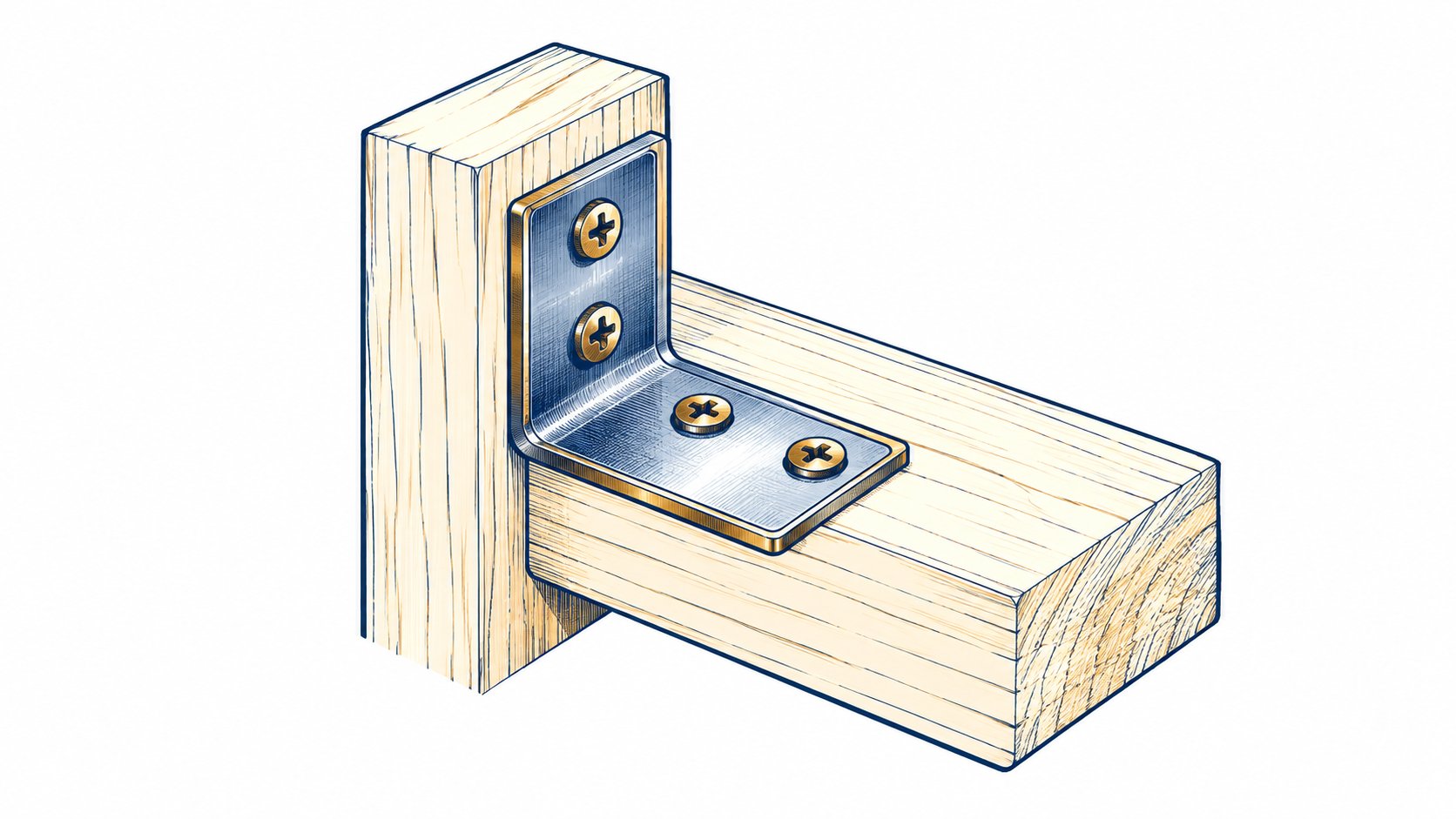
Generic connector detail for a responsibility discussion; not Grand Mariner construction.
Similarly named entities create avoidable confusion. Confirm names character by character, check dates on every version, and trace the amendment chain rather than reading the newest document in isolation. That discipline sounds slow. It prevents the more expensive problem of underwriting the wrong set of obligations.
Read Association Rules and Financial Records
Read association records as a connected set, not as isolated attachments. The declaration and amendments establish authority. Bylaws and rules address governance and day to day requirements. Budgets and financial statements show planned income and spending. Minutes often explain why a number changed or why a project is under discussion.
Insurance materials, reserve information, and notices of assessments or repairs complete the financial picture. A single dues figure can't do that work. It won't reveal deductible exposure, approved but unpaid work, or whether a recurring expense is about to change.
Reconcile conflicts instead of choosing the convenient version
Suppose a budget shows a recurring repair line while minutes discuss a separate project. Ask three direct questions. Is the project funded, approved, or still under study? Has an assessment been levied? Which document, with which date, controls?
Keep the records and written explanations supplied for the transaction specific and dated. Access to private association materials remains subject to the authorized owner and transaction process, not an assumed right of the buyer or agent.
- Version control: Record the date on every budget, rule set, and reserve schedule you receive.
- Cross checking: Compare minutes against financial statements when a project appears in one but not the other.
- Open items: List unanswered assessment and repair questions separately from settled facts.
Don't conclude that a missing document means a missing obligation. It means the question is unresolved. Price and contract timing should reflect that distinction.
Check Milestone Inspections and Reserve Funding
Florida's inspection and reserve framework answers two different questions. Confusing them leads buyers to overstate what a single report proves. Florida DBPR guidance on milestone inspections for qualifying condominium buildings describes inspection phases and association responsibilities at a general level. Building specific applicability and status must be established from current records for the relevant Grand Mariner phase.
A milestone inspection begins with a visual structural review by a licensed professional. Further investigation may follow if substantial structural deterioration is identified. That process addresses condition findings.
A Structural Integrity Reserve Study, or SIRS, addresses specified major components and the funding needed for them. Roof, structure, fire protection, plumbing, and similar shared systems raise cost and timing questions that an inspection report alone can't settle.
Documents that connect findings to funding
Review the applicable building-specific inspection report, local building official correspondence, SIRS and reserve schedule supplied for the purchase. Where a project is identified, compare repair proposals, board funding decisions and completion evidence. Whether any particular requirement applies to the selected Grand Mariner residence remains a separate question; no current inspection or funding status is established here.
For example, a report may identify work that's needed. It doesn't by itself establish that owners have funded that work, approved an assessment, or finished the repair. The buyer's risk sits in that gap between finding, funding, and completion.
Don't infer Grand Mariner's compliance status, condition, deadline, or reserve adequacy from Florida's general rules. Those conclusions require current phase specific records, reviewed with your lender and insurer in mind.
Evaluate Insurance, Flood Exposure, and Ownership Cost
Evaluate a Grand Mariner unit as part of a coastal insurance stack, not through a unit policy alone. The association master policy and your HO-6 policy cover different responsibilities, and the boundary between them drives real ownership cost.
Florida's insurance regulator flood insurance guidance for condominium unit owners confirms flood coverage is available to unit owners. It doesn't establish Grand Mariner's current policy terms or a specific unit's flood designation. General guidance explains concepts. Current declarations establish coverage.
Compare the policies side by side
Review current master-policy declarations, certificates, renewal terms and available claims information supplied for the purchase. Discuss any insurer-required mitigation with the insurance professional.
The illustration isolates a generic roof-edge junction. In a professional inspection, ask which accessible roof or wall junction was evaluated, what was observed, and whether a qualified specialist should examine it further. Do not turn an illustration or a roof photograph into a diagnosis, an age estimate, or evidence that a particular component is present at Grand Mariner. Any proposed work also needs the applicable responsibility and approval review.
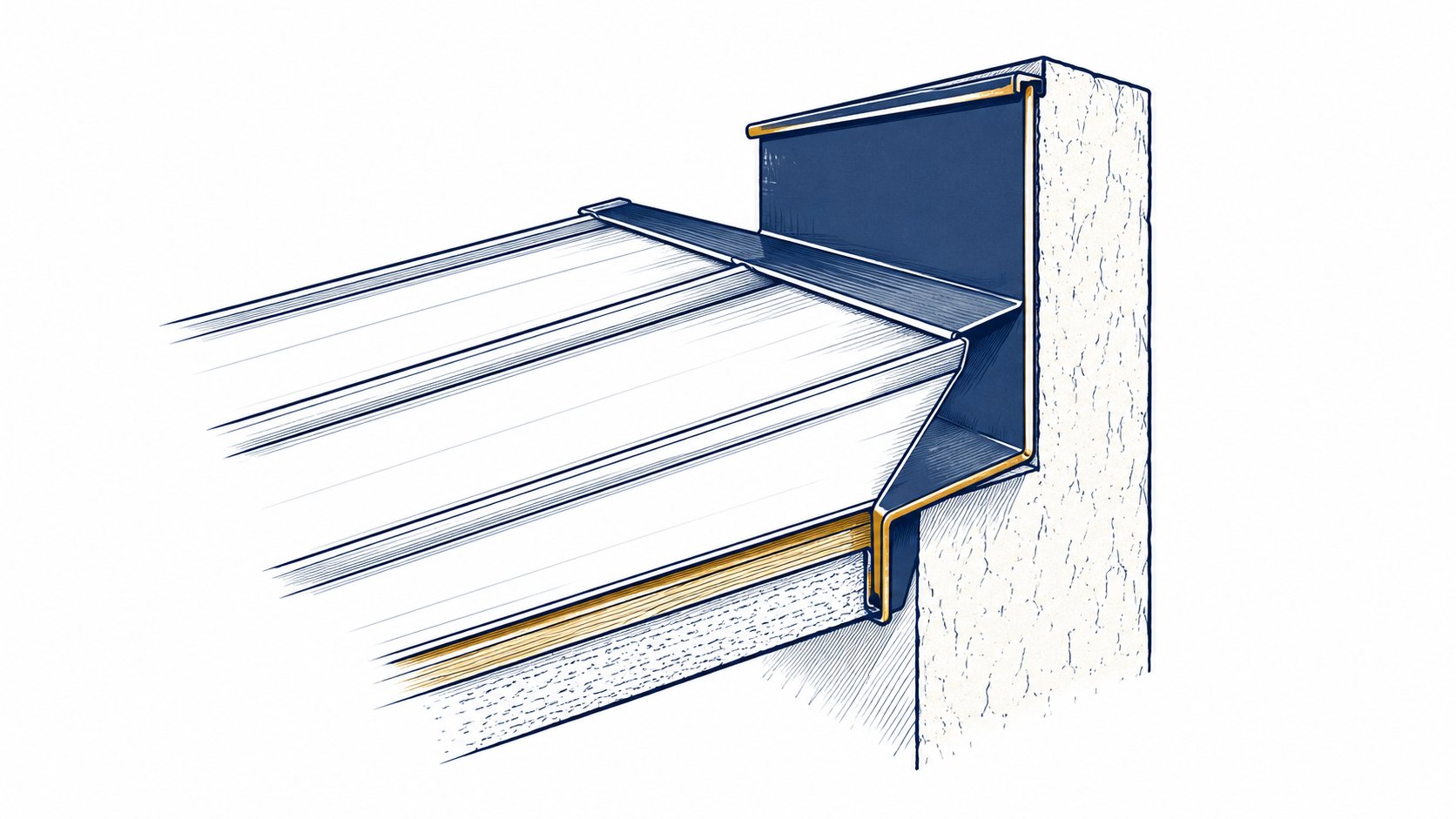
Generic roof-edge flashing illustration; no Grand Mariner condition or installation is depicted.
- Deductibles: Confirm amounts and how a deductible could be allocated after a loss.
- Exclusions: Identify what's excluded under wind, water, and flood provisions.
- Unit responsibilities: Confirm interior improvements, contents, personal liability, and loss assessment exposure.
- Flood coverage: Determine whether building and unit level coverage are separate for this purchase.
An association policy can look complete and still leave interior finishes or personal property to you. That's not a flaw. It's a boundary you need in writing before contract deadlines expire.
Compare those answers with lender requirements early. Dues alone can't support a responsible estimate when deductibles, exclusions, renewals, and unit level premiums remain unknown.
Assess Unit Condition, Access, and Financing
Keep unit diligence separate from association diligence. Both matter, but they rely on different evidence and different people. A strong inspection doesn't complete lender project review, and a lender approval doesn't describe the condition inside the unit.
Schedule an appropriate inspection within your contract period. Review visible and reported condition, then compare included components against the contract language. If a specialized concern arises, clarify scope in advance. Don't assume a standard inspection automatically includes every specialized test.
Inspect Openings and Plumbing Within the Agreed Scope
For accessible windows and doors, discuss operation, visible seal conditions and adjacent finishes with your inspector. Record the location of a concern precisely, then ask what the professional can evaluate within the inspection scope. A stain may prompt a question without establishing an active leak or its cause. Do not force an opening or disturb concealed materials to investigate it yourself.

Generic frame-and-seal illustration; not a Grand Mariner window specification.
Separate a visible observation from a repair recommendation. If specialist follow-up is advised, clarify the scope and timing before deciding how the finding affects the purchase. A component diagram can help frame the discussion, but it does not prove construction type, condition, maintenance responsibility or code compliance for the selected residence.
For plumbing, organize the inspection conversation around identification, operation and accessible service points. Ask which fixtures and visible connections were evaluated, what could not be reached, and whether further professional review is recommended. A visible valve does not establish the pipe material throughout the residence or the boundary between individual and shared services.

Generic supply-valve illustration; actual equipment and service arrangements require professional assessment.
Have the appropriate professional identify actual shutoffs and service access. Do not operate unfamiliar shared equipment or infer permission to alter a component from its location inside the residence. Connect a recommended repair to the purchase documents, the responsible party and any approval needed, then distinguish a price allowance from completed work.
Confirm access claims in writing
Don't rely on a tour comment for access, amenity use, parking, or included items. Confirm any representation that affects your decision through current written sources tied to the phase and unit. If confirmation isn't available, treat the item as unverified when you evaluate price and timing.
Talk with your lender before the inspection clock creates pressure. Ask what association documentation, insurance evidence, project review, and appraisal support the loan will require. Build a coordinated transaction calendar with dates for inspection, document delivery, lender questions, and insurance binding.
A unit interior question goes to your inspector. An association records question goes to the association or manager. A financeability question goes to your lender. Routing each question correctly saves days you may not have.
Verify Rental Permission Before Considering Use
An advertisement, a prior rental, or a seller's rental history doesn't establish that you may rent a specific Grand Mariner unit for your intended duration. That's the assumption to correct before rental plans influence an offer.
Permission requires current evidence at two levels. First, review the phase specific declaration and amendments and obtain current leasing rules or written association or management confirmation for the exact use you intend. Second, check applicable government zoning, registration, licensing, occupancy, and minimum stay requirements, including the 2026 Emerald Coast STR requirements that may apply outside association documents.
When records conflict
Suppose a listing highlights past rental activity. Treat it as a question for the purchase review, not permission. Identify which current document supports the intended duration and whether government registration or licensing adds separate conditions.
If records are missing, inconsistent, or restrictive, pause the rental based analysis. Obtain written clarification before making an offer that depends on that use. Oral reassurance doesn't cure an amendment you haven't read.
Past use can raise a question. It can't grant permission.
Eligibility must be established before any separate discussion of rental economics. Without property specific and jurisdictional confirmation, the accurate conclusion is simple. Rental use hasn't been verified for that unit.
Compare Current Market Evidence Without Guesswork
Value at Grand Mariner depends on evidence that matches the unit, not on a community average built from unlike records. Start with a current Destin condo value review, then test every comparable against phase, condition, documented costs, and transaction timing.
Asking prices show what sellers request. Closed sales show completed transactions under past conditions. Neither source should be generalized into a typical Grand Mariner price without checking source, date, and scope.
Evidence to Compare Before Assessing Value
| Comparison question | Evidence to review | What the evidence can establish |
|---|---|---|
| Same governing package | Phase, legal description, current documents | Whether obligations are comparable |
| Comparable condition | Inspection findings and documented updates | Whether condition explains a price difference |
| Comparable ownership cost | Budgets, insurance, reserves, assessments | Whether recurring and pending costs align |
| Comparable timing | Contract and closing dates | Whether market conditions were similar |
Two units can share a name and a similar interior yet fail as useful comparables. Different phase records, different documented repairs, or different pending costs change the purchase. Keep conclusions proportional to the evidence you've verified.
Buyer Questions
Which recorded declaration, amendments, association or management records, and public records establish the exact legal identity and governance of Grand Mariner?
The City archival index identifies Grand Mariner Phase 1, Phase 2 and Phase 3 as historical recording references. That supports following the correct record trail, not treating an index as a complete declaration or current amendment chain. The County address response supports the Highway 98 East and Destin location reference. For the actual purchase, have the title professional connect the legal description with the applicable recorded declaration, exhibits and amendments, and distinguish those instruments from corporate or management records. This guide does not certify the current scope of an association or the number of physical buildings.
Which current fee, reserve, assessment, master-insurance, maintenance, parking, pet, inspection, and financing details must a buyer obtain from documents rather than assume for Grand Mariner?
Use the current materials supplied for the selected purchase: applicable budgets, financial statements, assessment notices, reserve and repair information, insurance terms, governing provisions, inspection findings and lender requirements. No current Grand Mariner dues, reserve balance, assessment, policy coverage, parking allocation, pet rule or financing approval is asserted here. Compare the date and scope of each item, identify unresolved issues, and keep a professional condition assessment separate from responsibility for arranging, authorizing or paying for work. Owners may have private-record access that a prospective buyer or agent does not.
Which location, access, common-element, unit-condition, floor-plan, and amenity details can be confirmed for Grand Mariner, and which must remain unit-specific or unknown?
The supported location reference is 1100 Highway 98 East in Destin, with the Grand Mariner phase names identified in the City archival index. Those sources do not establish an individual residence's included property, common-element rights, beach route, parking, amenities, floor plan or condition. Compare the selected interior through the actual viewing and appropriate inspection, and review represented rights against the purchase documents. No unit total, story count, build year, private-access entitlement, amenity operation or building-condition conclusion is supplied by this guide.
What current property-specific evidence would be required to evaluate leasing or short-term-rental eligibility at Grand Mariner, and which rental-performance claims must be omitted until that evidence exists?
Leasing or short-term-rental permission has not been verified for the selected Grand Mariner residence. A reliable evaluation would require the complete applicable current declaration and amendments, current leasing rules and any relevant unit-specific variation, checked against the jurisdiction's zoning, registration, licensing, occupancy and minimum-stay requirements for the intended duration. An advertisement, past use or municipal registration alone cannot establish private permission. Until that evidence supports the use, this guide omits rental benchmarks, revenue projections, ADR, occupancy, cash flow, cap rates, ROI and STR-friendly claims. No rental performance or legal outcome is promised.
Use the Cross-Reference Checklist and Plan Next Steps
Use a sequenced checklist so an unresolved record doesn't disappear between offer and closing. Each item points back to a decision you must support with documents.
- Confirm identity: Match the unit legal description to the correct phase and governing entity.
- Obtain governing records: Review the current declaration, amendments, bylaws, and rules.
- Reconcile finances: Compare budgets, statements, minutes, insurance records, and assessment notices.
- Connect inspection to funding: Review milestone, SIRS, reserve schedule, repair proposals, and completion evidence.
- Inspect the unit: Separate interior condition from lender and association questions.
- Confirm financing early: Ask your lender what project and insurance documents are required.
- Verify intended use: Obtain written rental permission if rental use matters to the purchase.
Buyers comparing coastal buildings can also compare beachfront condo ownership factors before applying general conclusions to a Grand Mariner unit. That comparison supports better questions. It doesn't replace phase specific evidence.
Dream Destin Realty offers buyer and seller representation across Destin and the Emerald Coast. We can help organize the property comparison and the transaction questions for your inspector, insurance professional, lender and title professional, without promising a complete private building-record file or a verified rental use.
If you're weighing Grand Mariner Destin condos, bring us the unit you're considering and we'll help you organize the phase records, association questions, insurance review, and lender timeline before you commit. Explore Dream Destin Realty and arrange a buyer consultation to discuss your priorities and the next purchase decisions. To compare Grand Mariner with other Destin condominium communities, see the Destin condos for sale guide.


