
Crystal Beach Cottages Destin Homes: 2026 Guide
Compare Crystal Beach Cottages Destin homes, recorded phases, property condition, association costs, beach-access evidence and purchase questions.

On this page
On this page
Crystal Beach Cottages is a named residential development around Luke Avenue and Clipper Cove in Destin's Crystal Beach area. Its cottage setting gives buyers a house-and-lot alternative to the nearby condominium buildings. The practical comparison is the home itself: outdoor space, parking, building condition and the responsibilities that come with its recorded phase.
Two City-hosted plats identify Crystal Beach Cottages and Phase 2 of Crystal Beach Cottages. That distinction is useful when comparing homes advertised under the same neighborhood name. A buyer can enjoy the cottage character while making a more precise decision about the parcel, improvements, association obligations and intended personal use.
Table of Contents
- Crystal Beach Cottages at a Glance
- Recorded Phases and the Home’s Improvement History
- Cottage Home Styles and Lot Footprints
- HOA Dues, Deed Restrictions, and Beach Access
- Short-Term Rental Eligibility in Crystal Beach
- Pricing, Recent Sales, and What Comps Reveal
- Buying Process and Negotiation Tips
- Offer-to-Closing Checklist and Next Steps
Crystal Beach Cottages at a Glance
The original Crystal Beach Cottages plat identifies a planned unit development and resubdivision of Block 36 of Crystal Beach, with lots along Luke Avenue between Hutchinson Street and Crystal Beach Drive. The Phase 2 plat identifies a separate planned unit development in Block 20 and shows Clipper Cove. These are recorded-development references, not a current list of homes for sale.
The plats separate community identity from house condition. Their 1991 survey dates do not establish when every house was completed, rebuilt or remodeled. Compare the selected home's county property card, permit history and inspection findings rather than assigning a neighborhood-wide construction age or median living area to it. A renovated kitchen can coexist with older roof, wiring or drainage components.
The comparison buyers should make
For those interested in Crystal Beach Destin homes for sale, the linked page is the broader Crystal Beach neighborhood, not a dedicated Crystal Beach Cottages inventory. Compare the actual legal description of each candidate. A detached home and parcel, a condominium residence and a larger coastal house allocate maintenance, insurance and common expenses differently; exterior appearance alone does not tell you which arrangement applies.
For beach planning, the City's Shore at Crystal Beach Park page identifies a public facility at 2966 Scenic Highway 98. A public park is different from a private or deeded route. Visit the route you intend to use, check its current operating conditions and distinguish public access from any right claimed in the home's title documents.
| Reference | What it establishes | What still needs the home file |
|---|---|---|
| Original plat | Crystal Beach Cottages, Block 36; Luke Avenue | Exact lot, subsequent amendments and current improvements |
| Phase 2 plat | Phase 2, Block 20; Clipper Cove | Which phase and documents govern the address |
| City public park page | Shore at Crystal Beach Park location | Actual route and current public-facility conditions |
| Current seller and association package | Obligations applicable to the home | Dues, assessments, maintenance, amenities and leasing terms |
That table is a starting point, not a substitute for the recorded plat and parcel documents. Boundaries, phases, access rights, and restrictions must be confirmed for the exact address.
Recorded Phases and the Home’s Improvement History
The original plat is dated July 1991, and the Phase 2 plat is dated October 1991. These dates document subdivision planning; they are not construction dates for every residence. Read the legal description against the correct plat, then build an address-specific history from permits, inspections and the property's records.
The distinction matters at closing. New finishes are not the same as a replaced roof assembly, upgraded electrical service or inspected addition. Ask the seller to distinguish original components, documented replacements and cosmetic work. Match substantial alterations to the responsible permitting authority's records, including completion or final-inspection status, before assigning them value.
What the age spread means
A buyer should sort the home's history into three categories:
- Original construction: Confirm the permitted year, foundation type, elevation documentation, and major systems that remain from the first build.
- Reconstruction or additions: Match every substantial improvement to permits, final inspections, and the legal description.
- Modernization: Separate cosmetic work from upgrades that affect wind resistance, electrical capacity, plumbing, drainage, or insurance underwriting.
The public record doesn't establish that every home passed through the same hurricane-related rebuild path, nor does it prove identical elevation or permit history across the community. Those details are property-specific. Request the permit history, elevation certificate if available, survey, insurance history, and current inspection records before assigning value to a renovation story.
Two neighboring homes can have different improvement histories and ownership costs. Compare each home's maintenance evidence with its purchase price and insurance quote rather than treating cottage-style properties as interchangeable.
Cottage Home Styles and Lot Footprints
The phrase cottage describes a style, not a universal floor plan, lot dimension, bedroom count, pool configuration or rental arrangement. The recorded plat and current survey answer the land questions; the property card, measured area and inspections answer the building questions. Neither a neighborhood label nor a listing photograph establishes the legal footprint of an addition.
That limitation is useful. Buyers should compare the building envelope rather than relying on photographs or listing language. On a compact parcel, setbacks, stormwater handling, parking, stairs, decks, fences, mechanical equipment, and exterior storage can consume much of the usable site. A small change in the legal setback or drainage pattern can affect future improvements more than a renovated kitchen does.

Read the structure before the finishes
Start with the foundation and elevation. Ask whether the home is slab-on-grade, raised, or supported by another system, then compare the visible condition with permits and insurance requirements. Look for water staining, corrosion, settlement, exposed fasteners, deteriorated stairs, soft decking, and drainage that directs runoff toward the structure.
Next, review the practical footprint:
- Parking: Confirm the number of legal spaces and whether vehicles can be stored beneath or beside the home.
- Outdoor improvements: Verify permits and restrictions for decks, fences, sheds, generators, pools, and exterior mechanical equipment.
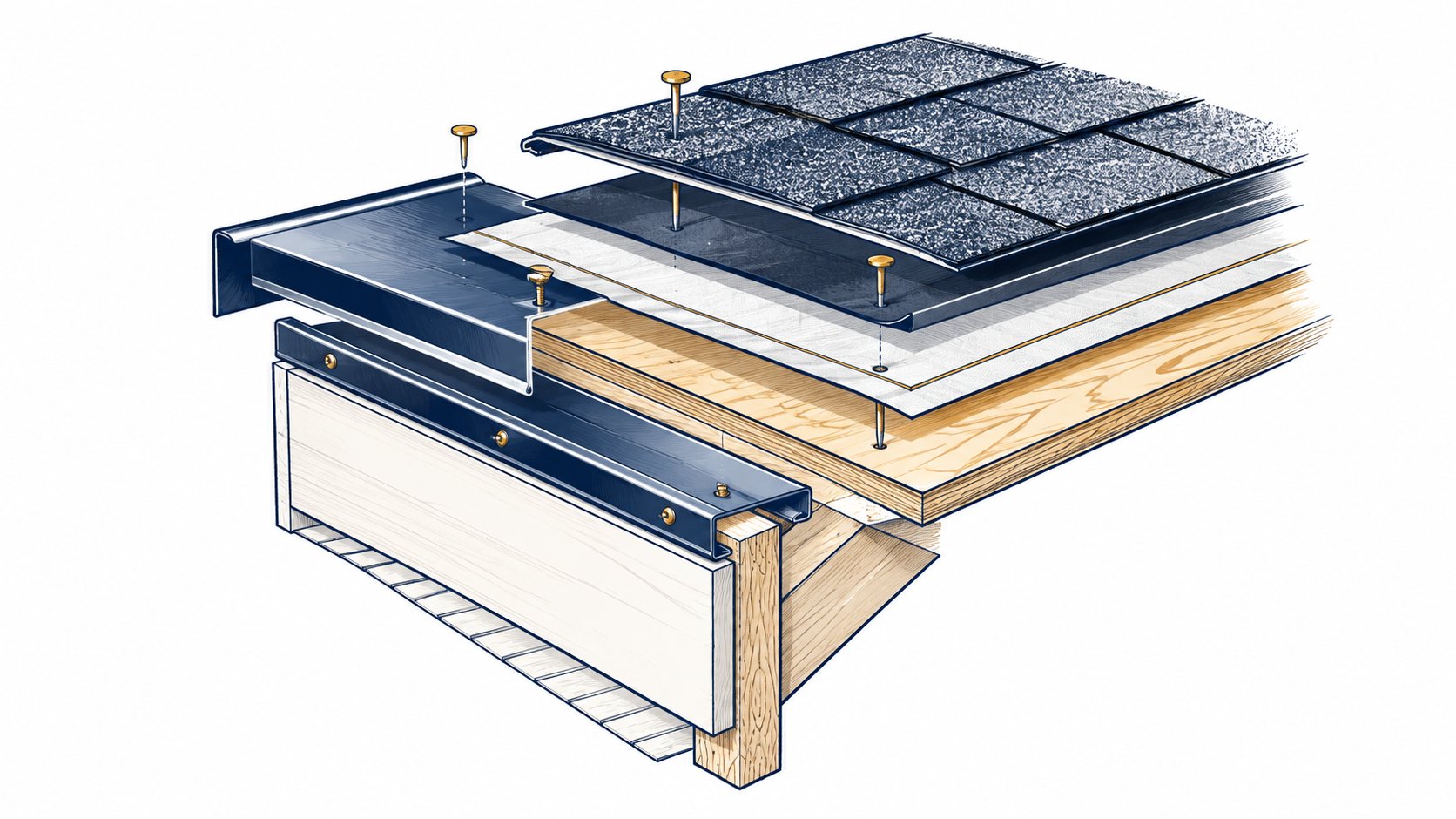
- Building envelope: Inspect roof age, flashing, siding, windows, doors, and penetrations exposed to coastal weather.
- Utilities: Confirm water, sewer, electrical service, and any easements affecting access or future work.
| Evidence | Why it matters | Buyer’s next check |
|---|---|---|
| Original construction record | Establishes the specific home’s starting point | Match the address and permitted scope |
| Addition or replacement permit | Separates structural work from decoration | Review final inspections and warranties |
| Recent inspection | Describes current observable condition | Obtain qualified follow-up on material findings |
Don't assume the home with the newest interior has the strongest resale position. A documented roof, sound drainage plan, clear parking arrangement, and insurable structure can matter more than decorative updates.
HOA Dues, Deed Restrictions, and Beach Access
Association costs should come from the current file for the selected home and phase. Request a dated assessment schedule, budget, insurance summary and estoppel rather than relying on an old listing's dues or maintenance description. The plats alone do not establish today's pool rights, grounds-service scope, master-association relationship or any owner's share of an expense.
Request the current declaration, bylaws, amendments, budget, meeting minutes, insurance summary, reserve information, assessment notices, and rules before the inspection period expires. The association may reduce some exterior-maintenance duties, but it also creates ongoing exposure through assessments, enforcement, and restrictions that survive a sale.
Documents that control the purchase
Focus on the exact parcel, not a neighborhood summary:
- Declaration and amendments: Confirm the legal community name, phases, common areas, voting rights, and owner obligations.
- Leasing rules: Check minimum rental periods, registration requirements, owner-use limits, and any approval process.
- Exterior rules: Review fences, sheds, paint, roofing, decks, signage, landscaping, and architectural changes.
- Parking provisions: Identify assigned spaces, guest rules, trailers, recreational vehicles, golf carts, and overnight restrictions.
- Assessment exposure: Ask for pending or recent special assessments and confirm balances through the estoppel process.
Public data doesn't establish whether every beach route is private, deeded, or available on identical terms. Local access rights can depend on recorded easements, public rights of way, and the exact parcel's documents. Don't describe a walkover as private or deeded unless the title work and recorded instruments support that conclusion. Buyers comparing ownership structures can review the broader Crystal Beach neighborhood page for orientation, then verify the specific access rights tied to the property under contract.
| Ownership question | Evidence that answers it | Why a buyer cares |
|---|---|---|
| Which association governs? | Recorded covenants and current association confirmation | Correct rules and expense allocation |
| Who maintains the grounds? | Maintenance provisions and current budget | Tasks and costs retained by the owner |
| Is an amenity included? | Recorded rights and current operating rules | Marketing does not establish transferable use |
| What beach access transfers? | Deed, recorded easement and title review | Public access differs from a private right |
The clear action is simple. Get the full covenant packet, current association disclosures, and title-access documents from the listing side before you make an offer dependent on beach access, exterior changes, or rental use.
Short-Term Rental Eligibility in Crystal Beach
Crystal Beach branding does not establish permission to rent a home for short stays. The City's current registration starting page links its 2026 guide. The City FAQ lists zoning districts where short-term rentals are generally allowed, but the exact address still needs a zoning and use determination alongside its private covenants and current association rules.
The City FAQ describes a square-footage-based registration fee schedule, annual renewal and late charges. Obtain the current amount and deadline for the exact home from the City; do not use a general fee as a complete operating-cost estimate. Registration, licensing and association permission are separate questions, and none supports a revenue or return forecast here.
The eligibility sequence
Treat rental use as a gate with separate approvals:
- City zoning: Ask the City of Destin to confirm the exact parcel's zoning and whether the intended rental duration is allowed.
- Annual registration: Confirm the registration process, fees, occupancy rules, signage requirements, and renewal deadlines.
- Association documents: Obtain the current declaration, amendments, leasing rules, and written association or management confirmation.
- Property records: Review permits, tax records, insurance requirements, and any restrictions that apply to the specific home.
A rental advertisement or prior rental history doesn't prove continuing permission. The city guide also identifies occupancy rules and a visible sign requirement, so a buyer should request the current compliance details directly rather than infer them from listing photographs.
Buyers should also distinguish Crystal Beach Cottages from nearby communities. A home in Shores of Crystal may carry different declarations, access arrangements, and leasing controls. If the documents don't clearly permit the intended use, don't underwrite rental income, occupancy, cash flow, return, or investment performance. Buy it as a second residence only if that use works on its own terms.
Pricing, Recent Sales, and What Comps Reveal
Crystal Beach Cottages pricing should be evaluated from comparable homes within the correct recorded development and phase, where suitable evidence exists. A Destin-wide median, a broad Crystal Beach portal polygon or a mix of condominium and house listings can describe a different market. No area median is used here to set the price of a cottage.
The practical approach is to start with comparable property type and legal location, then examine construction, condition, insurance, parking, outdoor space, association obligations and documented access. Explain each material adjustment. If the same-phase sample is small, widen the search explicitly rather than presenting a broader-area average as a subdivision statistic.
Build the comp set correctly
Pull closed sales that match the subject property on more than bedroom count. The useful comparison includes:
- The same recorded subdivision or phase.
- Similar living area and building footprint.
- Comparable construction era or documented rebuild.
- Similar lot position, access, parking, and outdoor improvements.
- Similar insurance, elevation, roof, and mechanical condition.
A useful comparable-sales worksheet records the legal phase, sale date, property type, condition, concessions and reasons for each adjustment. Ask the representative to identify the actual sources and reporting period. The following table shows comparison questions, not fabricated sale results.
| Comparison question | Why it affects value | Evidence to examine |
|---|---|---|
| Same phase and ownership form? | Restrictions and expense duties may differ | Legal description and covenants |
| Similar structure and condition? | A cosmetic update is not a systems replacement | Permits and inspection records |
| Similar access and outdoor use? | Rights differ from proximity or photographs | Survey, title exceptions and current rules |
| Recent comparable transaction? | Older prices may reflect a different market | Dated, authorized closed-sale analysis |
Use the Dream Destin Realty search to locate current inventory and then request closed comparable analysis from a licensed representative. Don't treat active listings as proof of market value. Sellers can test an ambitious price, and a stale listing can reflect condition or document problems that aren't obvious online.
Use the strongest available closed comparables and explain a small sample's limits. Do not insist on an arbitrary number of sales if only weak matches exist, and do not apply a mechanical price-per-square-foot formula to materially different homes.
Buying Process and Negotiation Tips
The purchase sequence should begin with financing and documents, not an offer written around a seller's preferred closing date. A second-home loan can carry different underwriting requirements from a primary-residence mortgage, and coastal insurance costs can affect qualification. Ask a lender to review the property type, association structure, elevation documentation, insurance availability, and intended use before you commit to a price.
Once the offer is accepted, order the association estoppel immediately. It should identify current assessments, unpaid charges, transfer fees, and other amounts that can affect closing. Don't rely on a seller's informal statement that the dues are current.
Inspect the parts buyers can't see online

The inspection period should match the property's complexity. A compact coastal cottage may require a general inspection plus wind mitigation, a four-point inspection, termite or WDO review, roof evaluation, electrical review, plumbing assessment, and a sewer scope where applicable. If the inspector identifies suspected seawall, drainage, foundation, or electrical issues, extend the investigation rather than forcing every decision into a short standard window.
A useful permit review should compare visible additions with city and county records.
Practical rule: Negotiate from verified replacement costs and insurability, not from the age of the countertops.
Potential negotiation points include a roof credit, HVAC allowance, seller-paid closing costs, correction of unpermitted work, or a price adjustment tied to an insurance quote. Items such as golf carts or beach equipment should be included only through a written inventory and contract language. Their presence in the home doesn't establish ownership or transferability.
Earnest money, appraisal-gap terms, inspection rights, title review, and insurance contingencies all deserve contract-specific advice. A title company familiar with Okaloosa County records can help confirm the legal description, easements, restrictions, and lien status. Buyers who need representation can contact Dream Destin Realty and should ask directly about experience with compact coastal subdivisions.
Offer-to-Closing Checklist and Next Steps
Crystal Beach Cottages homes reward an orderly closing process. Delaying association, insurance, permit or title review can leave important ownership questions unresolved at closing. Put each task on a dated calendar tied to the contract.
Immediately after acceptance
- Deposit earnest money: Follow the contract deadline and retain proof of delivery.
- Order the estoppel: Request current balances, assessments, transfer charges, and association disclosures.
- Secure financing: Submit the full property package and confirm the lender has the correct legal description.
- Start insurance quotes: Ask about flood, wind, roof age, elevation, prior claims, and carrier inspection requirements.
- Confirm intended use: If rental use matters, obtain written city and association confirmation before underwriting any income.
During inspections and title review

- Order wind mitigation and four-point reports: Use the results to assess insurability and potential premium differences.
- Arrange WDO review: Request documentation of visible damage, treatment history, and repairs.
- Scope the sewer where appropriate: Verify the service line and connection condition rather than assuming municipal service removes all risk.
- Review permits: Match additions, decks, enclosures, mechanical changes, and structural work to official records.
- Confirm the survey and plat: Make sure the legal description, lot boundaries, easements, setbacks, and improvements correspond.
- Review title exceptions: Pay close attention to access rights, restrictions, utility easements, and association rights.
If the home has an existing rental history, treat vendor handoffs and license notifications as separate tasks. A prior operator's records do not transfer permission automatically. If an exchange or other tax strategy is part of the purchase, coordinate with qualified tax and legal advisers before contracting; this home guide does not determine tax eligibility or deadlines.
At the final walkthrough, verify agreed repairs, included personal property, utilities, keys and access devices, and any new damage. Use the broader Crystal Beach neighborhood page to orient your search, then request listings whose legal descriptions actually match Crystal Beach Cottages or its relevant phase. Ask for a property-specific comparable review, document package, insurance check and closing timeline.
Dream Destin Realty can help compare the selected cottage's current listing, condition, documents and ownership costs. For a wider home comparison, browse the Destin homes and neighborhood hub. Arrange a buyer consultation around the exact address and your intended personal use, so questions about the home and the association are resolved together.


