
Grand Caribbean Destin: 2026 East vs. West Buyer Guide
Compare Grand Caribbean East and West with separate legal, association, reserve, insurance, unit-rights, rental, financing, and contract checks.

On this page
On this page
Grand Caribbean East and Grand Caribbean West belong in a Crystal Beach, Destin search, but they should not be combined into one condominium comparison. The City’s plat and condominium-drawing index lists East and West separately. For each building on its own, see our Grand Caribbean East guide and Grand Caribbean West guide. Start with the exact building and unit, then compare its governing documents, owner costs, physical condition and access rights with the other property’s own records, not with a shared marketing name.
Quick take: Build an East file and a West file. For each one, reconcile the unit's legal description with its declaration, amendments, association entity, current rules, budget, reserves, inspection records, insurance, assessments, and unit disclosures. Keep every uncertain property fact labeled as unknown until a current authoritative or property-specific record supports it. Rental eligibility remains unverified for both properties unless the exact condominium documents, current association rules, and separate City of Destin requirements clearly permit the intended stay duration.
Table of contents
- Why East and West require separate files
- Establish each legal identity
- Build an evidence matrix
- Review association governance and buyer disclosures
- Verify physical facts and unit rights
- Review budgets, reserves, inspections, and insurance
- Apply the rental-eligibility gate separately
- Check City rules as a second gate
- Coordinate financing, title, and contract deadlines
- Four buyer questions
- East-versus-West comparison worksheet
- Run the East-West review in sequence
- Next step
Why East and West require separate files
The safe starting assumption is that Grand Caribbean East and Grand Caribbean West are separate decision objects. Buyers should not carry a statement from one property into the other. That includes claims about legal identity, building form, common elements, beach access, parking, pets, amenities, elevators, maintenance responsibility, fees, reserves, insurance, assessments, litigation, rental rules, or unit features.
Use the Grand Caribbean East condos for sale page and the Grand Caribbean West condos for sale page to identify current units and listing-specific questions. The pages are inventory tools. They are not substitutes for a declaration, amendment, plat, current association rule, written management response, inspection, insurance document, or seller disclosure.
Create two folders from the beginning. Label every record with East or West, the exact unit when applicable, the document date, and the retrieval date. If a source does not identify which property it covers, do not use it to support a property-specific conclusion.
Establish each legal identity
For each unit under consideration, begin with the contract or proposed deed legal description and the recorded declaration that creates the condominium. Add every recorded amendment that applies to the unit, phase, building, common element, or limited common element. Then identify the current association entity and reconcile its name with the governing documents.
The Florida Division of Corporations' official Sunbiz entity search can help verify corporate names, status, registered agents, and filing histories. A corporate record does not create condominium rights and does not replace the declaration. Its value is identity control: it helps the buyer avoid sending questions to the wrong entity or mixing similarly named records.
Confirm whether parking, storage, access, balconies, patios, or other claimed areas are part of the unit, common elements, limited common elements, assignments, licenses, or revocable practices. The legal category affects control, maintenance, insurance, transfer, and use. If the listing cannot be reconciled with the recorded file, keep the claim unresolved.
Build an evidence matrix

Generic component comparison, not a depiction of either Grand Caribbean building. Each property’s documents establish its own rights and obligations.
An evidence matrix turns a broad East-versus-West comparison into a set of answerable questions. Give each claimed fact its own row. Record the source, date, exact property, exact unit if relevant, and whether the source is authoritative, property-specific, current, and consistent with other records.
Use primary or controlling sources first: recorded declarations and amendments, plats, association rules, budgets, inspection and reserve records, master insurance, official corporate records, official flood information, City of Destin materials, and written association or management confirmation. A current seller disclosure or inspection can support unit condition, but it does not amend the condominium documents. A listing can identify questions, but it is not proof of a private right or association rule.
Use three outcome labels: VERIFIED, UNKNOWN, and CONFLICTING. When current evidence conflicts, plan around the most restrictive verified rule and require resolution before relying on a more favorable interpretation. Do not turn several weak sources into one strong claim by repetition.
Review association governance and buyer disclosures
Florida condominium governance and disclosure duties are addressed in the current Florida Statutes Chapter 718. Use the current text because statutory requirements change. The official Florida DBPR condominium portal provides additional state condominium resources.
For East and West separately, request the declaration and amendments, articles of incorporation, bylaws, current rules, current adopted budget, financial information, reserve or structural reserve materials, applicable inspections, master insurance information, recent board and membership minutes, assessment notices, litigation disclosures, and written management information. Compare delivery dates with the contract's review and cancellation provisions.
Florida Statutes section 718.503 addresses disclosures in condominium sales. A buyer should ask a Florida real-estate attorney which provisions and deadlines apply to the specific transaction rather than assuming that a resale and developer sale work the same way. Keep a delivery log so missing or late records are visible before rights expire.
Governance questions belong in the file, not in assumptions. Who may approve leases? Which body adopts rules? What owner approval is required for certain changes? Which records are current? Which maintenance duties are allocated to the unit owner? The answer for East should not be copied into West without a controlling West source, and vice versa.
Verify physical facts and unit rights

Before relying on a building height, year built, unit count, unit mix, elevator status, beach access, pool, spa, grilling area, parking arrangement, view, square footage, bed configuration, occupancy capacity, or distance, check more than a listing or rental page. Verify property-level facts with the declaration, plat, association materials, official parcel or permit records, or current written property confirmation. Verify unit-level facts through the legal description, seller disclosure, measurements, permits, approvals, and inspection.
For access, determine whether the route is public, common, limited common, deeded, licensed, or provided through another agreement. For parking and storage, identify the exact space and transfer mechanism. For pets and occupancy, use the current rule that applies to the unit. For alterations, obtain permits and association approvals where required.
The inspection should address the unit's systems and finishes as well as signs of water intrusion, prior repairs, exterior interfaces, and any condition that may involve the association. Ask who is responsible for windows, doors, balconies or patios, utility lines, HVAC components, and damage that crosses the unit boundary. The declaration and insurance documents may divide responsibility differently than a buyer expects.
Review budgets, reserves, inspections, and insurance

Generic condition example, not a reported Grand Caribbean defect or installation guide. Actual repair scope must come from the property’s current inspection and repair records.
A monthly assessment cannot be interpreted alone. For each property, identify what the current budget includes, how reserves are funded, whether assessments are pending or approved, which projects are planned, and which costs remain the unit owner's responsibility. Do not call one property cheaper or financially stronger without a documented and like-for-like method.
Review reserve information beside applicable inspection reports, repair plans, engineering materials, board minutes, contracts, and assessment notices. Ask whether structural integrity reserve study or milestone-inspection requirements apply and obtain the actual current documents. A summary in a listing or email is not enough for a material condition or funding conclusion.
For insurance, obtain each association's current master policy information, limits, exclusions, deductibles, wind treatment, flood treatment, and loss-assessment exposure. Then obtain a unit-specific quote and lender requirements. The FEMA Flood Map Service Center is an official source for flood-map context, but the purchase file may also require an elevation certificate, current policy information, and professional advice.
East and West may have different budgets, projects, insurance terms, and owner obligations. Keep the records separated and dated. If only one side provides complete materials, that is a difference in verification quality; not proof that the other side has the same or worse condition.
Apply the rental-eligibility gate separately
Rental permission must be checked separately for East and West. This guide has not established current permission for any particular unit in either condominium.
Neither a rental advertisement, booking page, MLS remark, unit layout, prior rental history, seller statement, manager marketing, nor nearby property's practice proves current permission for the intended stay duration. Before rental use enters the decision, obtain the declaration and all rental-related amendments, current leasing rules, and written association or management confirmation where the record is unclear. Confirm the exact unit when rights can vary by unit, owner, date, or grandfathered status.
For each property, verify minimum stay, frequency, owner-occupancy period, approval, registration, occupancy, guest, parking, age-of-responsible-renter, management, signage, and enforcement provisions that apply to the proposed use. A rule should be quoted from its current controlling source and dated.
If a current rule restricts the intended stay duration, use that restriction in your purchase planning. If the applicable documents are missing, outdated, conflicting or unclear, rental use remains an unanswered due-diligence question. Neither another Grand Caribbean unit’s bookings nor a market benchmark establishes your unit’s permitted use, income or return. This guide makes no unit-level rental forecast.
Check City rules as a second gate
Private condominium permission and government compliance are separate. For property inside the City of Destin, consult the current short-term-rental registration resources and the City's published land development code. Verify the exact parcel, zoning, registration, licensing, safety, occupancy, parking, tax, and operating requirements with the City.
A City registration does not override a declaration or association restriction. Association permission does not satisfy City requirements. Both gates must support the exact proposed stay duration before rental-performance context can be considered.
Keep a separate City verification record for East and West. A nearby property or similarly named condominium does not establish the jurisdiction or compliance path for the unit under contract.
Coordinate financing, title, and contract deadlines
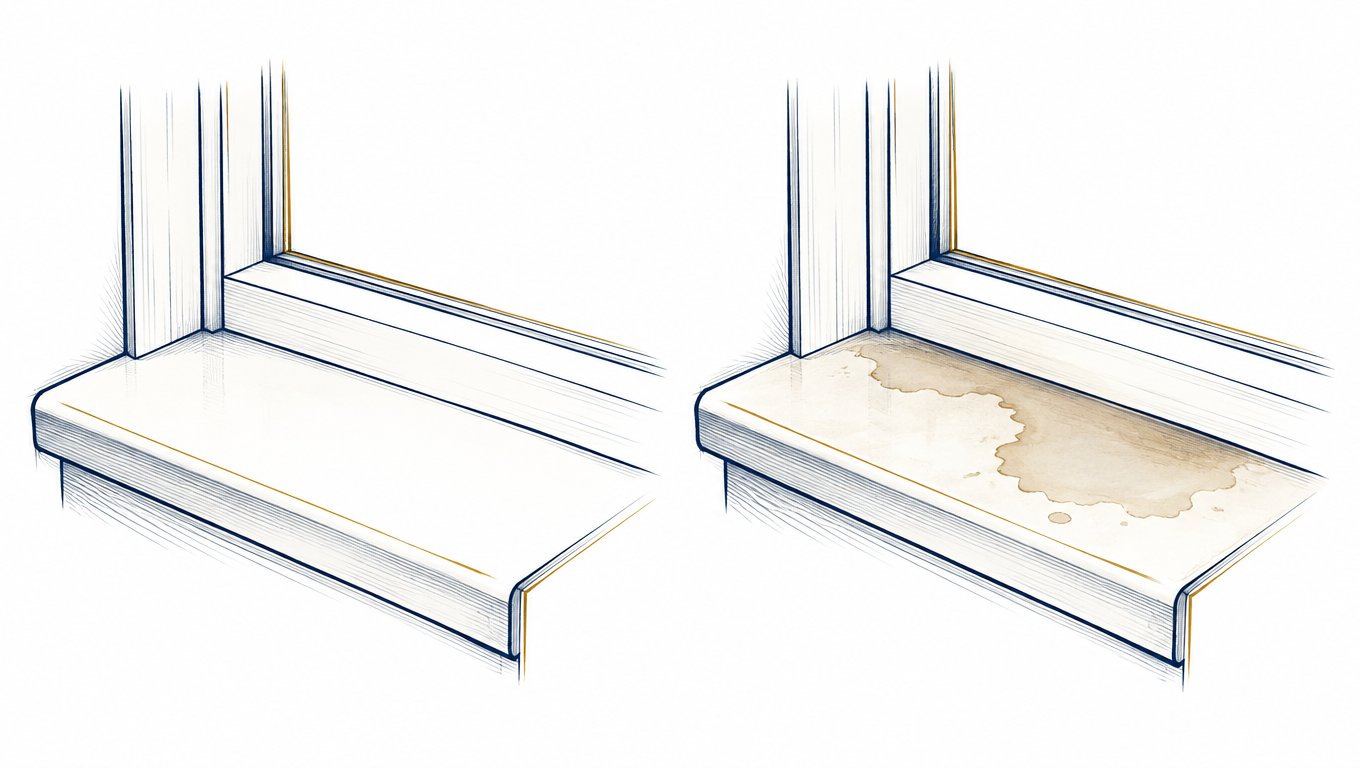
Generic inspection comparison, not a finding about East or West. Resolve actual condition questions within the contract deadlines.
Ask the lender early which project-level information it needs for the exact condominium: questionnaire responses, reserves, insurance, inspections, litigation, owner-occupancy, commercial space, delinquencies, repairs, or other eligibility factors. A borrower preapproval does not guarantee that the project will satisfy the loan program.
Title review should reconcile the legal description, declaration, amendments, easements, assignments, parking or storage rights, liens, and exceptions. If the seller claims a right that is not reflected in the title and condominium file, resolve it before relying on the claim.
Set contract deadlines that allow time for document delivery, attorney review, inspection, insurance, lender project review, title work, association approval, and written resolution of unknowns. Track what was requested, received, dated, and still missing. The transaction should not move from an evidence gap to an assumption simply because closing is near.
Four buyer questions
Are Grand Caribbean East and West the same condominium?
Do not treat them as one file. The City lists separate condominium drawings for East and West. Confirm the exact condominium, association and unit in the contract and recorded documents before transferring any rule, fee or access claim between them.
Which is better: Grand Caribbean East or West?
Okaloosa County records show two small three-story buildings: Grand Caribbean East has 38 condominium units built in 1995 at 3291 Scenic Highway 98, and Grand Caribbean West has 41 built in 1994 at 3191 Scenic Highway 98. Neither is a universal winner. Compare the exact units using separate current records for total owner costs, condition, access rights, insurance, financing and intended use. A missing document is a verification gap, not proof that one property is worse.
Can I assume the same rental rules apply to both?
No. Obtain each condominium’s current declaration, amendments and leasing rules, and confirm the rule for the exact unit and intended stay duration. Rental advertising and a nearby unit’s history do not replace that review.
Detailed buyer review questions
- Which recorded condominium declaration, amendments, phase documents, and current association records establish the legal identity and governance of Grand Caribbean Destin? First identify East or West and the exact legal unit. The City’s index lists Grand Caribbean East and Grand Caribbean West separately, but buyers still need the recorded declaration, applicable amendments, title file and current association record for the chosen property. A shared name does not establish shared governance or transferable rights.
- Which current maintenance, master-insurance, reserve, assessment, parking, pet, and leasing obligations should a Grand Caribbean Destin buyer verify before the contract deadline? Obtain a separate current budget, reserve file, master-policy information and assessment disclosures for each condominium. Compare what the owner maintains and pays, then review the applicable parking, pet, occupancy and leasing rules. A fee comparison is meaningful only when included services, insurance and maintenance responsibilities are aligned.
- Which building, access, amenity, unit-condition, and beach-or-harbor-location facts about Grand Caribbean Destin are supported by primary or current listing records, and which vary by unit? Use the City’s index to distinguish the condominium records, then verify building and access claims in the actual recorded and current property file. Inspect the chosen unit’s condition and confirm its measurements, approvals and claimed rights. A fact supported for East does not automatically apply to West, or to every unit in either building.
- What financing, inspection, milestone-or-structural-report, association-review, insurance, rental-rule, and closing checks are specifically relevant to a Grand Caribbean Destin purchase? Complete the lender’s project review, title and document review, inspection, applicable structural-report review and owner insurance quote before the relevant contract deadlines. Resolve association approvals and any open assessments. Rental plans also require current private permission for the intended stay duration and a separate City compliance review.
East-versus-West comparison worksheet
| Decision area | Grand Caribbean East | Grand Caribbean West | Required evidence |
|---|---|---|---|
| Legal condominium and association | Verify | Verify separately | Legal description, declaration, amendments, Sunbiz record |
| Common and limited common elements | Verify | Verify separately | Declaration, plat, assignments, written confirmation |
| Building and amenity facts | Unknown until supported | Unknown until supported | Association materials, official records, inspection |
| Unit condition and features | Unit-specific | Unit-specific | Seller disclosure, permits, approvals, inspection |
| Budget and reserves | Obtain current East file | Obtain current West file | Adopted budget, reserve materials, financial records |
| Inspection and repair obligations | Determine applicability | Determine applicability | Current reports, plans, minutes, contracts, assessments |
| Master and unit insurance | Quote and review | Quote and review | Master-policy information, deductibles, unit quote |
| Rental eligibility | Unverified | Unverified | Current declaration/amendments, rules, exact-unit and City verification |
| Financing | Project-specific | Project-specific | Lender questionnaire and program review |
| Contract readiness | Missing items listed | Missing items listed | Delivery log, professional review, written resolutions |
Use the complete Destin condo buyer's guide for the wider condominium framework. Do not use a broad market comparison to fill a missing East or West record.
Run the East-West review in sequence
Use the same sequence for East and West so the comparison does not favor whichever listing supplied more marketing detail. First, identify the legal unit and governing condominium. Second, inventory the documents received and the documents still missing. Third, review rights and restrictions. Fourth, review money, condition, inspections, and insurance. Fifth, complete lender, title, and contract checks. Rental questions remain in a separate gated file.
Create a source register for each property. Record the document title, issuer, document date, retrieval date, exact property or unit covered, relevant section, conclusion, and follow-up. Save the complete source. A screenshot, paraphrase, or agent summary should not replace the controlling record.
Then create a variance report with one row per issue. If East has a current budget and West does not, record a verification gap rather than guessing the West figure. If one declaration clearly allocates a component and the other is silent, mark the second item unknown. If a current rule conflicts with listing language, plan around the verified rule and require written resolution before the buyer relies on the listing claim.
Tie every open item to the contract. Track delivery, legal review, inspection, insurance, financing, title, association approval, and closing deadlines. Note the person responsible for each answer and the last date on which the buyer can act safely. Closing pressure should not convert an unresolved conflict into an assumed fact.
Before the final decision, write a short property memorandum for East and a separate one for West. Each should list verified rights, current obligations, material condition findings, insurance and financing status, unresolved risks, and the buyer's contract options. A side-by-side summary can then compare equivalent evidence without declaring a universal winner. The better fit is the unit whose verified rights, obligations, condition, financing, and safeguards match the buyer's stated plan.
Next step
Compare live Grand Caribbean East condos for sale with Grand Caribbean West condos for sale, then request a separate legal, association, financial, inspection, insurance, and rule file for each unit under consideration. For help organizing the comparison and identifying the next documents to request, schedule a Dream Destin buyer consultation.
The best comparison is not a claim that East or West is universally better. It is a traceable record showing which exact property and unit has verified rights, understandable obligations, acceptable condition, workable financing, and contract safeguards that match the buyer's intended use.


