
Grand Harbor Destin Homes: A Complete 2026 Buyer Guide
Grand Harbor Destin homes: a 2026 buyer guide to units, pricing, HOA, insurance, and the buying process at 662 Harbor Blvd in Destin, Florida.

Grand Harbor is a condominium at 662 Harbor Boulevard in Destin. Its Harbor Boulevard address places it in the city's harbor corridor, with condominium residences rather than a detached-home subdivision. The City of Destin's project register identifies the property as Grand Harbor Condominium at that address.
For buyers comparing Grand Harbor with other Destin condominiums, the residence and the shared building are two parts of the same purchase. Interior layout, renovation condition and orientation shape daily use; association finances, building maintenance and insurance shape the ongoing ownership costs. Financing and contract deadlines should account for both the residence and the shared building.
A unit-by-unit comparison is more useful than treating every Grand Harbor residence as interchangeable. Start with the available residence, then connect its price and condition to the building records and the obligations attached to that ownership.
Table of Contents
- Grand Harbor at 662 Harbor Blvd in Destin
- Unit Sizes, Floorplans, and Building Profile
- Recent Pricing and Days on Market
- Short-Term Rental Rules
- HOA, Insurance, Flood Zone, and Inspection Considerations
- Financing Paths Including a 1031 Exchange Lens
- Offer to Closing for a Grand Harbor Buyer
- Buyer Checklist and Next Steps
Grand Harbor at 662 Harbor Blvd in Destin
Condominium ownership combines an individual residence with shared obligations. Buyers should review the association's recorded governing documents and current resale package, then confirm that the declaration and amendments cover the exact unit under consideration. Ask the title and closing professionals to reconcile the legal description with those documents.
A roof project, elevator repair, exterior work or insurance adjustment can affect shared ownership costs. How the expense is allocated depends on the governing documents and the association budget. Review the allocation for the specific unit rather than assuming every owner pays the same amount.
The Harbor Boulevard address gives buyers a specific starting point for comparing access and surroundings in Destin. Location alone does not establish a unit's value. Different orientations and exposures are not interchangeable, and buyers should verify the actual orientation, sightlines, balcony position, and obstruction risk for the specific residence. Compare competing buildings by ownership structure, condition and current availability.
Short-term rental eligibility also belongs in the property file, not in a general building description. Confirm the unit's governing documents, local requirements and current association restrictions before treating rental income as an available use. Past rental activity does not establish permission.
Established, not newly delivered
Grand Harbor appears in the historical city project register cited above, including amendment records. That history helps distinguish an established condominium from a newly announced development. For a purchase today, review the specific unit's permit history and the association's completed and planned work, rather than treating the original project approval as proof of current condition.
Unit Sizes, Floorplans, and Building Profile
At Grand Harbor, square footage alone cannot establish value. Compare usable interior space, outdoor space, orientation, renovation condition and monthly ownership obligations together. Match the measurements and floorplan to the particular residence rather than applying a building-wide range to every unit.
Public records and listings do not establish that every residence shares the same floorplan, finish package, view, parking arrangement, or renovation history. Verify those details for the specific unit. A renovated interior can support a different value from an original-condition residence, while an appealing layout may still have a narrow resale audience.
A practical comparison table
| Comparison focus | Area check | Orientation and exposure | What to verify |
|---|---|---|---|
| Bedroom layout | Verify by unit | Confirm the actual orientation and exposure | Match the current layout to the unit records |
| Interior condition | Verify by unit | Compare balcony position and sightlines | Kitchen, bath, flooring and HVAC updates |
| Renovated residence | Verify the measured area | Treat end-unit and view claims as unit-specific | Renovation depth, permits and maintenance records |
Building documentation is part of the purchase decision. Ask what has been replaced, what remains original, and which major common-element projects the association has completed. Interior improvements do not answer questions about the roof, elevators, exterior sealants, balcony components, plumbing, electrical systems, or reserve funding.
Shared systems also create association-level obligations. Buyers should review the association's records for the building as a whole, not assume a well-finished unit reflects the condition of shared systems.
Practical rule: Choose the unit first, then evaluate the building. A favorable floorplan does not erase association-level risk.
Because comparable sales for the same layout may be limited, expand the search carefully. Use compare Destin luxury real estate to review competing properties, then adjust for building age, unit size, orientation, condition, and association documents. Do not treat a generic luxury comparison as a substitute for the unit file.
Recent Pricing and Days on Market
Evaluate Grand Harbor pricing with current, verified closed sales and the current competing listings. If only a few closely comparable sales are available, one unusual closing can distort a median. A useful comparison records the sale date, size, condition, exposure, concessions and financing terms, not just the headline price.
An asking price establishes the seller's position, not the unit's verified value. The relevant evidence remains the closed sale for a comparable unit, including concessions, condition, square footage, orientation and marketing time.
Building a useful comparison
| Comparison item | Evidence to collect | Why it matters |
|---|---|---|
| Closed sale price | Recorded closing and verified transaction details | Separates completed transactions from asking prices |
| Interior area and layout | Unit records and measured or documented floorplan | Keeps unlike residences from being treated as equivalents |
| Marketing time | Complete listing history | Helps distinguish time on market from a relisted property |
| Renovation condition | Inspection findings, permits and maintenance records | Identifies differences that may explain price |
Price differences can reflect size, orientation, renovation scope, seller expectations or the number of homes currently offered. Ask for the evidence supporting each adjustment when comparing one residence with another.
How to negotiate in a thin market
Broader Destin market figures provide area context, not a direct Grand Harbor valuation. Match property type and the reporting period before drawing a comparison.
My recommendation is firm: start with the closest closed Grand Harbor sales, then use other Destin condominiums only to fill missing comparisons. If the seller cites one high closing, verify matching size, exposure, renovation quality, and association condition. For a stale listing, request documented updates, review price reductions and concessions, and structure the offer around inspection findings and building records. That approach gives the buyer a defensible position without pretending that a small sample offers precision.
Short-Term Rental Rules
Short-term rental use at Grand Harbor is a permission question, not a revenue assumption. Start with the City of Destin's current short-term-rental registration resources and confirm which application and operating rules apply to the proposed stay length. City registration and zoning requirements must be checked for the exact property; registration alone does not override private restrictions.
City eligibility is only one layer. Grand Harbor's condominium declaration, amendments, bylaws, and current leasing rules may permit, limit, or prohibit short-term stays independently of zoning. The exact unit may also have restrictions that differ from a neighboring unit, so rental advertisements, past rental activity, and listing remarks aren't enough.
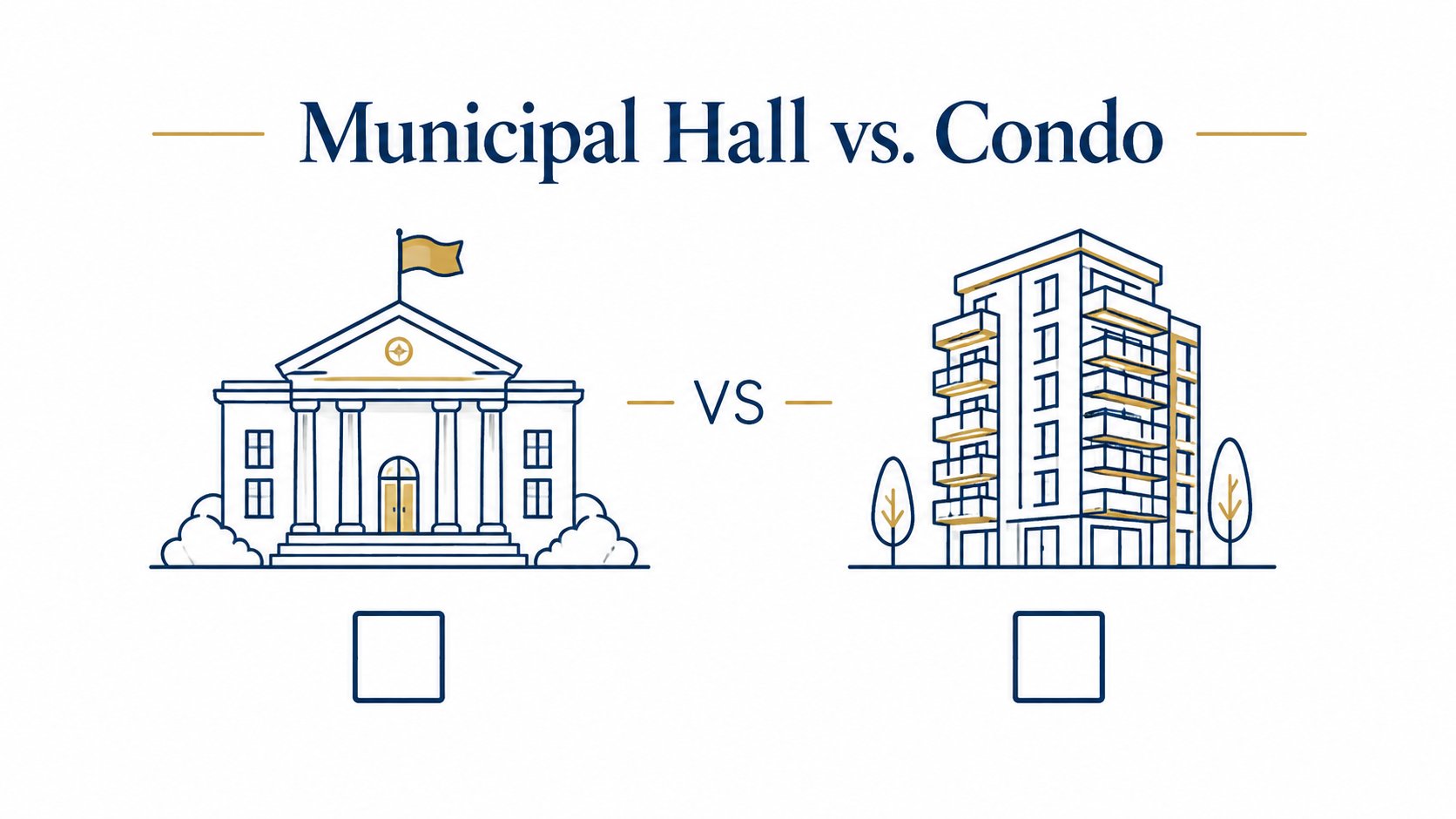
Compare the two approval systems
City zoning and registration
- Zoning district: Confirm the parcel's current Destin zoning designation.
- Registration: Verify the city's current registration process, fee, and operating requirements.
- Operating rules: Confirm applicable occupancy, licensing, and minimum-stay requirements.
Condominium governance
- Declaration: Read the recorded rental and leasing language.
- Amendments: Check for later amendments that change minimum stays or rental frequency.
- Association confirmation: Obtain written confirmation from the association or management for the intended use.
The two systems must align. If city zoning allows the use but the declaration restricts it, the declaration remains a problem. If the declaration permits rentals but the parcel doesn't qualify under current city rules, the buyer still can't responsibly underwrite short-term rental income.
For broader condominium ownership context, review the Destin condo buyer guide, then apply the same property-specific document review to Grand Harbor. Do not build a purchase price around rental income until the intended use is confirmed in current governing documents and applicable government requirements.
HOA, Insurance, Flood Zone, and Inspection Considerations
Grand Harbor buyers should evaluate the association budget, shared structure, major systems, reserves and master insurance alongside the unit itself. An unexpected project or insurance change can affect the cost of ownership. Request the current unit allocation and funding plan rather than assuming a building-wide expense translates into an equal bill for each owner.
Request the current budget, reserve schedule, meeting minutes, assessment history, insurance certificates, and records of major repairs before making an offer. Read the minutes for recurring water intrusion, balcony or railing work, elevator service, roof planning, exterior coating, and storm-related repairs. For a condominium purchase, shared exterior and building systems deserve attention beyond a unit-only inspection. Confirm whether any identified work is complete, funded, under warranty, or still awaiting an assessment.
Flood and insurance review
Order a current flood determination, obtain an insurance quote and confirm the lender's requirements for the specific unit and project. Use the parcel and building information, applicable flood map and available elevation documentation together. A neighborhood-level elevation statistic cannot establish the flood classification of an individual property.
Ask the association and insurer to clarify:
- Master coverage: Does the policy cover the structure, roof, exterior, balconies, and shared systems?
- Wind coverage: Is wind included, separately insured, or subject to a separate deductible?
- Flood coverage: What does the master policy cover, and what must the owner insure?
- Unit coverage: Which interior finishes, personal property, liability, and loss assessments require individual coverage?
Inspection targets
Inspect the unit and its connection to the building. Focus on balcony components, railings, window seals, exterior penetrations, moisture evidence, HVAC age, and storm-protection equipment. Match those findings against association records, especially for recurring exterior maintenance or water-management work.
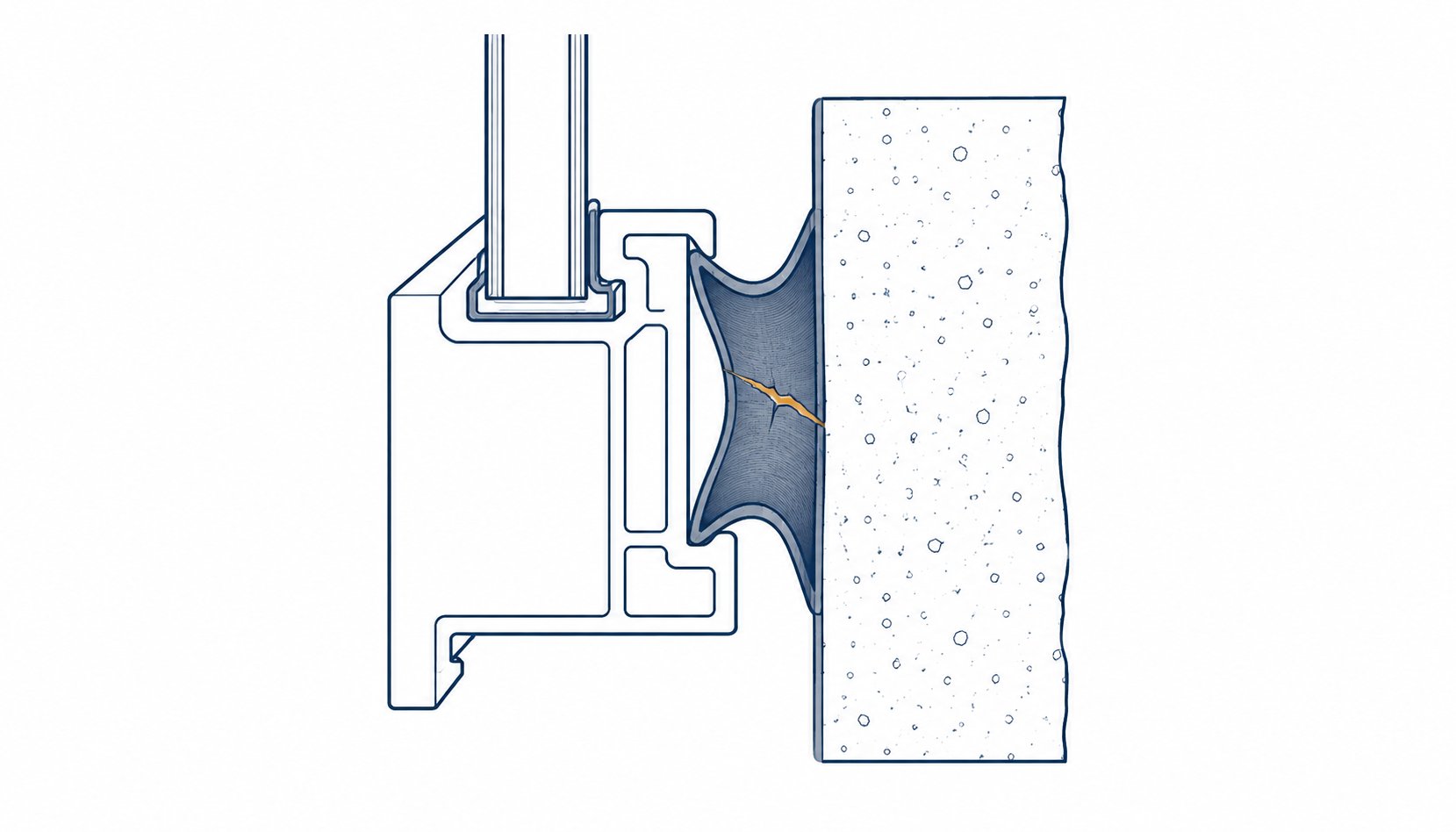
A clean interior report does not clear the common elements. Price unresolved work into the offer, or require documents and repairs before closing.
A flood-zone designation is not a promise of low insurance cost or an absence of storm exposure.
Financing Paths Including a 1031 Exchange Lens
Grand Harbor financing has two separate approval questions. The lender reviews the borrower, then may review the condominium project. For this condominium, that project review deserves attention because the association's finances, insurance, reserves, pending assessments, litigation disclosures, leasing rules and shared systems can affect eligibility. A borrower can qualify while the project still fails a lender's requirements. Fannie Mae's project standards describe review methods that depend on the project and transaction; the lender should identify the applicable pathway rather than promise approval from a credit prequalification alone.
Four routes, four trade-offs
Cash avoids many project-approval delays and can simplify the closing path, but it commits more capital upfront. It does not replace title, association-document, insurance, inspection, or rental-use review.
Conventional financing can work if the project meets the lender's standards. Ask the lender to confirm its project-approval process and request the condominium questionnaire before making an offer. The questionnaire should address reserves, insurance deductibles, assessments, litigation, owner occupancy, leasing, and deferred maintenance.
Jumbo financing may suit a purchase requiring a loan above the applicable conforming limit; requirements vary by lender and transaction. Do not rely on a borrower-only pre-approval. Require written confirmation that the lender will review Grand Harbor as a condominium project.
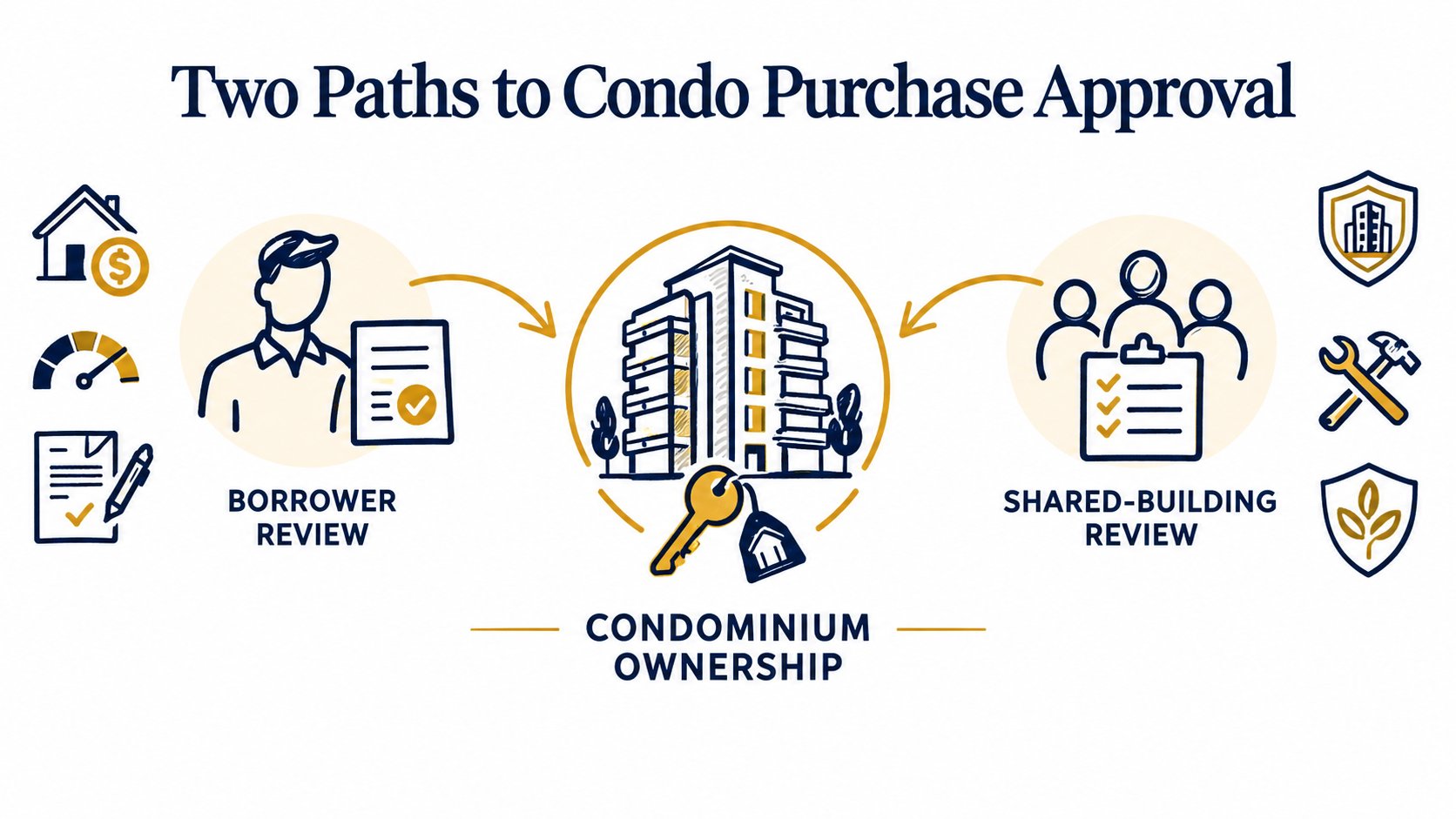
A 1031 exchange may apply when an investment property is exchanged for qualifying replacement real estate. The buyer must coordinate identification, closing timing, tax treatment, and intended use with a qualified tax professional. Review the IRS like-kind exchange rules before setting contract deadlines, then use this real estate investment tax strategy guide for planning questions.
A 1031 exchange does not establish rental permission. If income-producing use supports the exchange plan, verify Grand Harbor's declaration, association rules, and current government requirements for the specific unit. A lender or insurer may require project documents before accepting the financing, regardless of the exchange structure.
My recommendation is direct: have the lender review Grand Harbor before the offer becomes irreversible. Confirm project approval, questionnaire requirements, and document deadlines in writing. A pre-approval based only on income and credit is incomplete for this building.
Offer to Closing for a Grand Harbor Buyer
The cleanest Grand Harbor transaction starts before the offer. The buyer should have verified funds or a written pre-approval that identifies the condominium project, not just a generic approval letter.
The transaction sequence
- Confirm financial readiness. Provide proof of funds or obtain project-aware pre-approval. If financing is involved, ask the lender for the condo questionnaire requirements immediately.
- Submit a specific offer. Address the unit, included personal property, financing terms, inspection rights, association-document review, appraisal, and any rental-use condition that matters to the buyer.
- Execute the contract and fund escrow. Once signed, deliver the required deposit to the escrow holder and calendar every contractual deadline.
- Review the property and project. Inspect the unit, request the declaration and amendments, read the bylaws and current budget, examine reserves and meeting minutes, and verify insurance coverage. Compare the property's current flood information with the applicable FEMA mapping and property-specific elevation documentation.
- Complete lender, title, and closing work. The lender completes any appraisal and project review required for the transaction. The title company examines ownership and liens, while the buyer confirms the estoppel, payoff information, insurance bind, and closing statement.

Where buyers lose time
The common delays are predictable. Management may need time to complete the condo questionnaire, the lender may request additional reserve or insurance records, and the association's estoppel may reveal a balance or pending assessment. A buyer using a 1031 exchange has another timing layer, so the tax adviser and closing team should coordinate before the contract is signed.
Before closing, verify the final walk-through, utility arrangements, association contact information, insurance bind, and recorded deed process. The unit's condition matters, but the project file often determines whether the transaction closes smoothly.
Buyer Checklist and Next Steps
Grand Harbor requires a document-first purchase strategy. Before making an offer on Grand Harbor Destin homes, complete these checks:
- Rental eligibility: Confirm the current City of Destin zoning status and read the condominium declaration, amendments, and leasing rules for the intended rental duration.
- Association finances: Request the latest budgets, reserve information, meeting minutes, assessment history, and current estoppel requirements.
- Insurance: Obtain the master policy, wind and flood details, deductibles, and a unit-specific insurance quote.
- Flood review: Check the current parcel information against the applicable FEMA mapping and available property-specific elevation documentation.
- Inspection: Review window seals, balcony and railing condition, exterior moisture points, HVAC age, storm protection, and interior renovation quality.
- Financing: Ask the lender to review the condominium project and complete the required questionnaire before the financing deadline.
- Tax planning: If a 1031 exchange is involved, coordinate with the qualified intermediary, tax adviser, lender, title company, and closing attorney before identifying the replacement property.
- Local representation: Use a Destin-based real estate attorney for contract and condominium-document questions, especially if the declaration or amendments are unclear.
- Market evidence: Compare closed sales by size, orientation, condition, and marketing time instead of relying on a single asking price.
The Emerald Coast home buying articles provide additional local context, but the next step should be specific: open the current Grand Harbor condominium listings at 662 Harbor Blvd, select the unit you're evaluating, and book a buyer consultation to map this checklist to that property.
Dream Destin Realty helps buyers compare Grand Harbor units, association records, insurance, inspections, financing, and current inventory across Destin and the Emerald Coast. Visit Dream Destin Realty to review the live search and connect with a local adviser before you commit to a unit or rental-use assumption.


