
Hidden Costs of Buying a Home: 8 Expenses to Plan Around
Learn the hidden costs of buying a home, from closing fees and flood insurance to HOA assessments and move-in setup, with steps to verify each amount.

On this page
On this page
The hidden costs of buying a home are the charges that sit outside the price and the down payment: closing costs and prepaid items, a property tax reset after the sale, flood insurance, windstorm coverage, association dues and special assessments, inspections, title charges and documentary stamp taxes, and first-year maintenance and move-in setup.
A 2025 Bankrate analysis covering single-family homes in 49 U.S. states estimated ownership costs beyond the mortgage at $21,400 per year, according to MBA Newslink's summary of the Bankrate study. That figure covers maintenance, utilities, taxes, insurance, and internet or cable. It's a national benchmark, not a quote for your property. What matters is the cash decision each cost forces, and the official record that confirms it before your deadlines pass.
Table of Contents
- 1. Closing Costs and Prepaid Items
- 2. Florida Property Tax Reassessment After a Sale
- 3. Flood Zone Determination and Flood Insurance
- 4. Windstorm and Wind Mitigation Coverage on the Gulf Coast
- 5. HOA, Condo Association, and Special Assessment Costs
- 6. Inspections, Wood-Destroying Organism Reports, and Repair Negotiations
- 7. Title Insurance, Survey, and Recording Fees
- 8. Ongoing Maintenance, Coastal Upkeep, and Move-In Setup
- When each hidden cost must be pinned down
- Verify Each Amount Before You Commit
1. Closing Costs and Prepaid Items
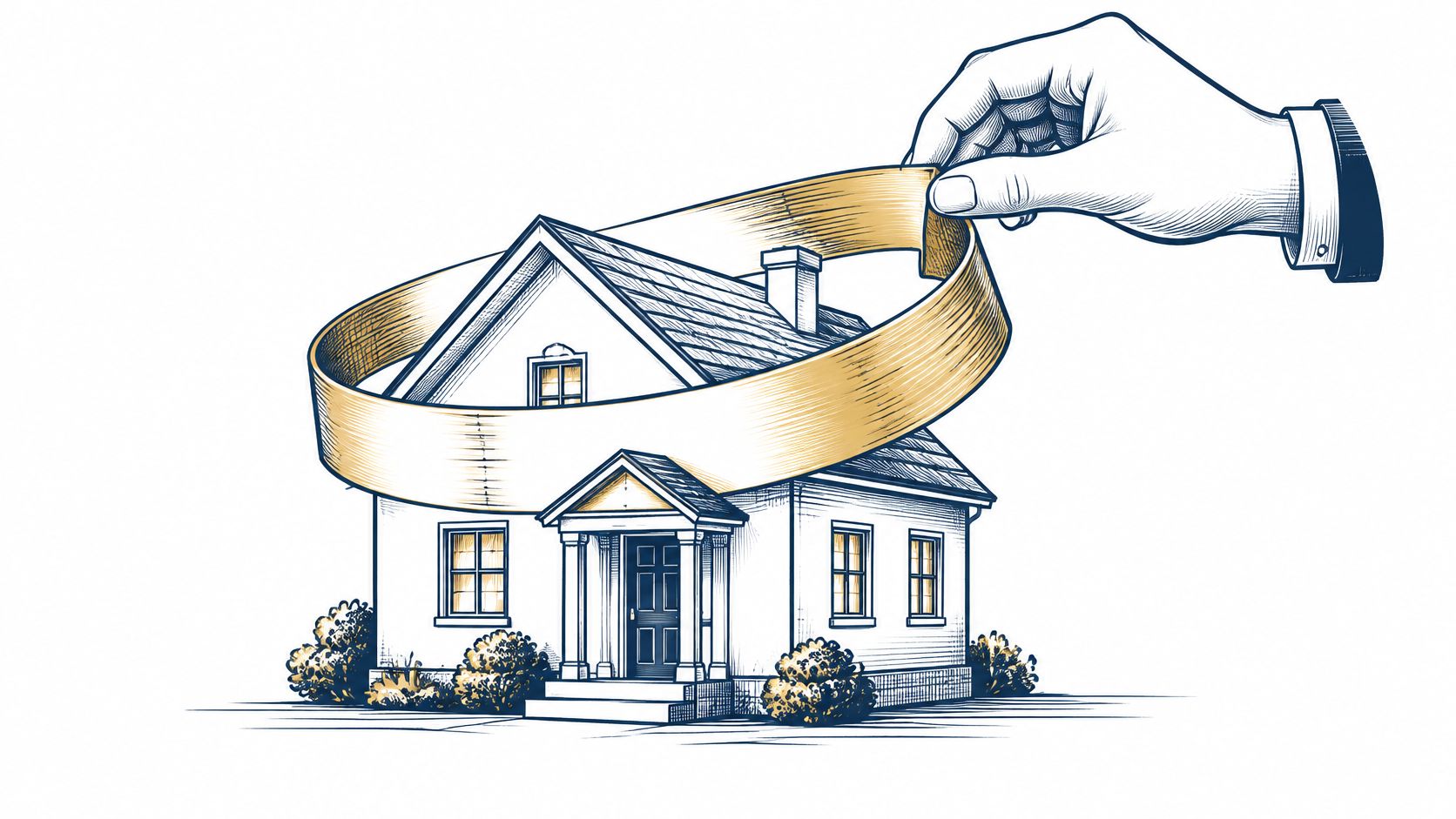
Closing costs are separate from your down payment. They include lender fees, title and settlement charges, recording fees, and prepaid items such as the first year of homeowners insurance, prepaid interest, and escrow deposits for taxes and insurance. Closing costs typically run 3% to 6% of the loan amount, according to Rocket Mortgage figures cited in a February 2026 Boston.com report on hidden home buying costs.
What confirms the amount
Your Loan Estimate and Closing Disclosure from the lender list these charges in a standard layout. Compare them line by line, and ask about any change you didn't expect. Say a lender fee rises between the two forms. That question gets answered before signing, not after. Review the guide to Florida closing costs for the state-specific items to expect.
Practical rule: Ask for a written cash-to-close breakdown, including prepaid items and escrow deposits, several days before closing.
2. Florida Property Tax Reassessment After a Sale
Don't build your budget on the seller's tax bill. In Florida, homestead assessed value is subject to annual increase limits, and those limits reset when ownership changes. Your bill after purchase can look nothing like the one in the listing file.
Taxes also drift upward over time. Average U.S. consumer-unit spending on property taxes increased from $2,475 in 2021 to $2,738 in 2024, according to Bureau of Labor Statistics expenditure tables.
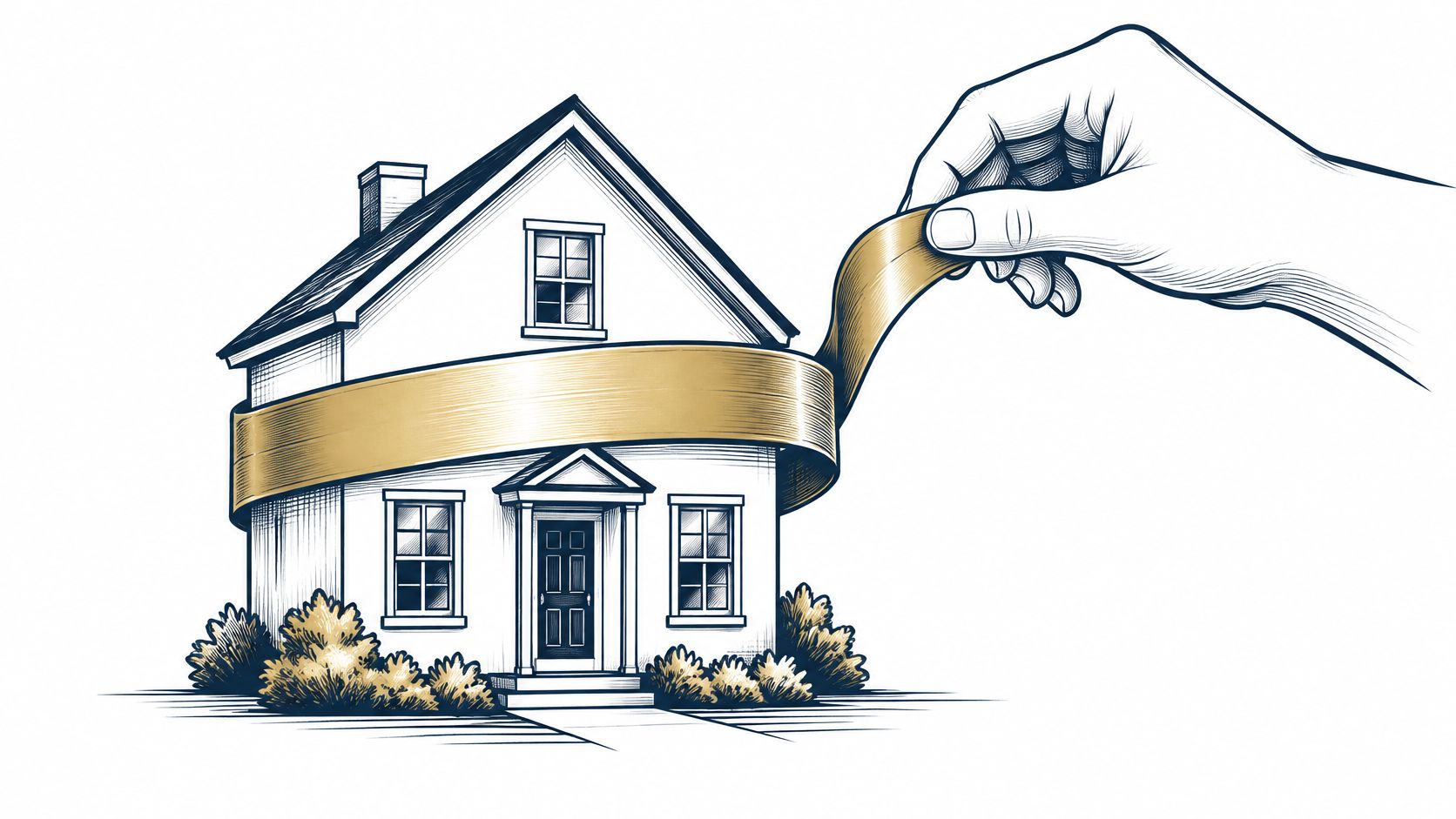
- County property appraiser: Ask for the current assessment and exemption status, and how the assessment may change after the sale.
- Closing agent: Confirm how taxes will be prorated and whether any exemption will be removed.
- Your monthly budget: Use the official county figures, not the seller's old bill.
3. Flood Zone Determination and Flood Insurance
A home doesn't need to sit in a high-risk zone for flood coverage to enter your budget. Federal rules generally require flood insurance in special flood hazard areas when the mortgage is federally backed. Outside those areas, coverage is still available as a separate policy.
In 2025, average U.S. non-mortgage homeownership costs included $919 for flood insurance, according to Insurify's hidden costs analysis. Your premium depends on the property, so treat that as context only.
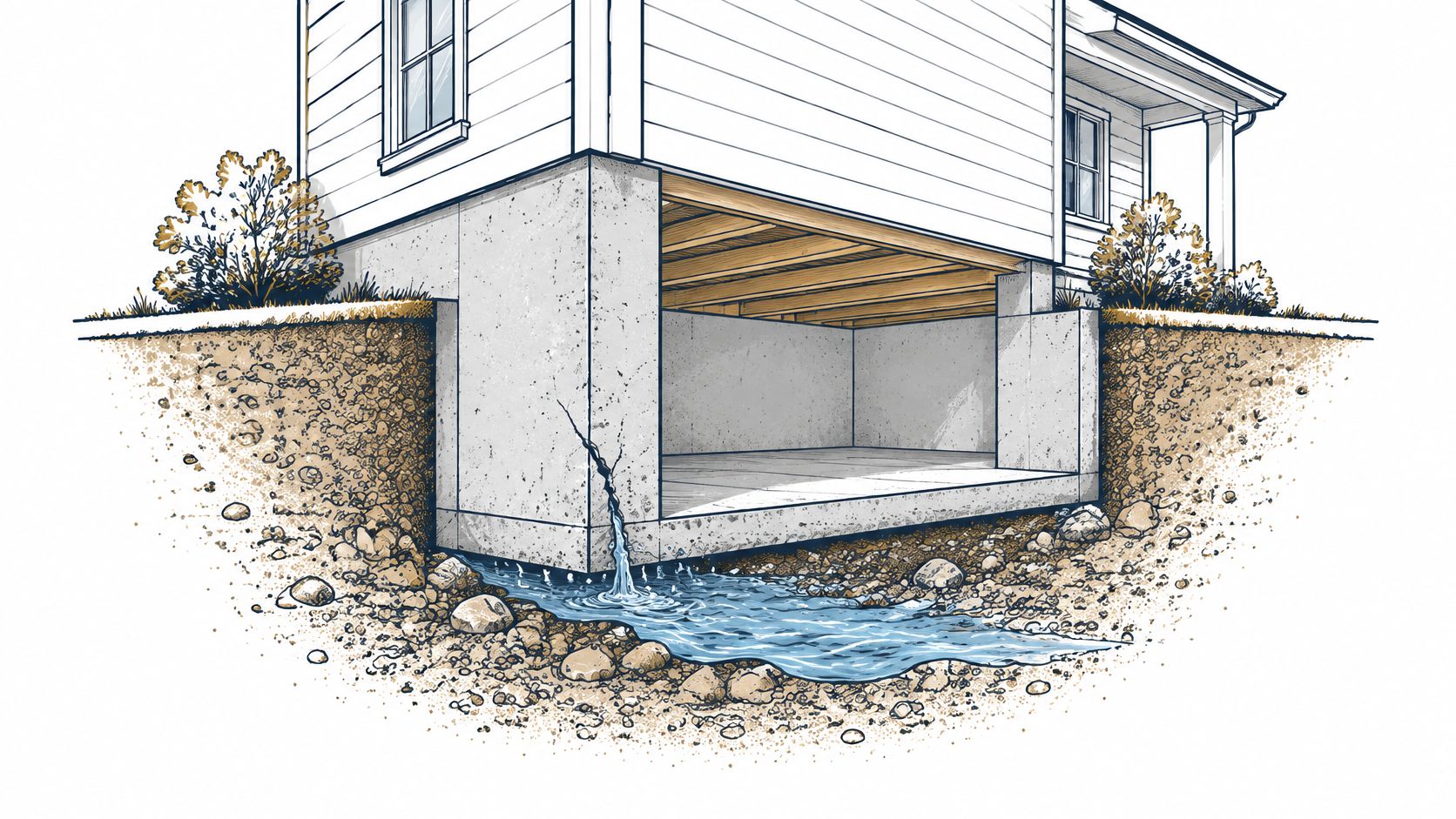
Say a lender's flood determination places the home in a hazard area. You'd request a quote before the inspection period ends, while you can still act on the number. Check the official FEMA flood map for the address, and ask a licensed insurance professional to explain your options. Dream Destin Realty's condo buying guide covers how flood questions fit into a condo purchase.
4. Windstorm and Wind Mitigation Coverage on the Gulf Coast
Coastal Florida policies can carry separate windstorm coverage and a named storm deductible calculated as a percentage of insured value. That percentage sounds small until you convert it to dollars for the specific home. Ask each insurer to do that conversion before you offer.
Premiums can also jump at renewal. One Florida homeowner's renewal premium rose from $6,091 to $11,800 after the insurer increased the estimated replacement cost, according to the Daytona Beach News-Journal report on Florida escrow costs.
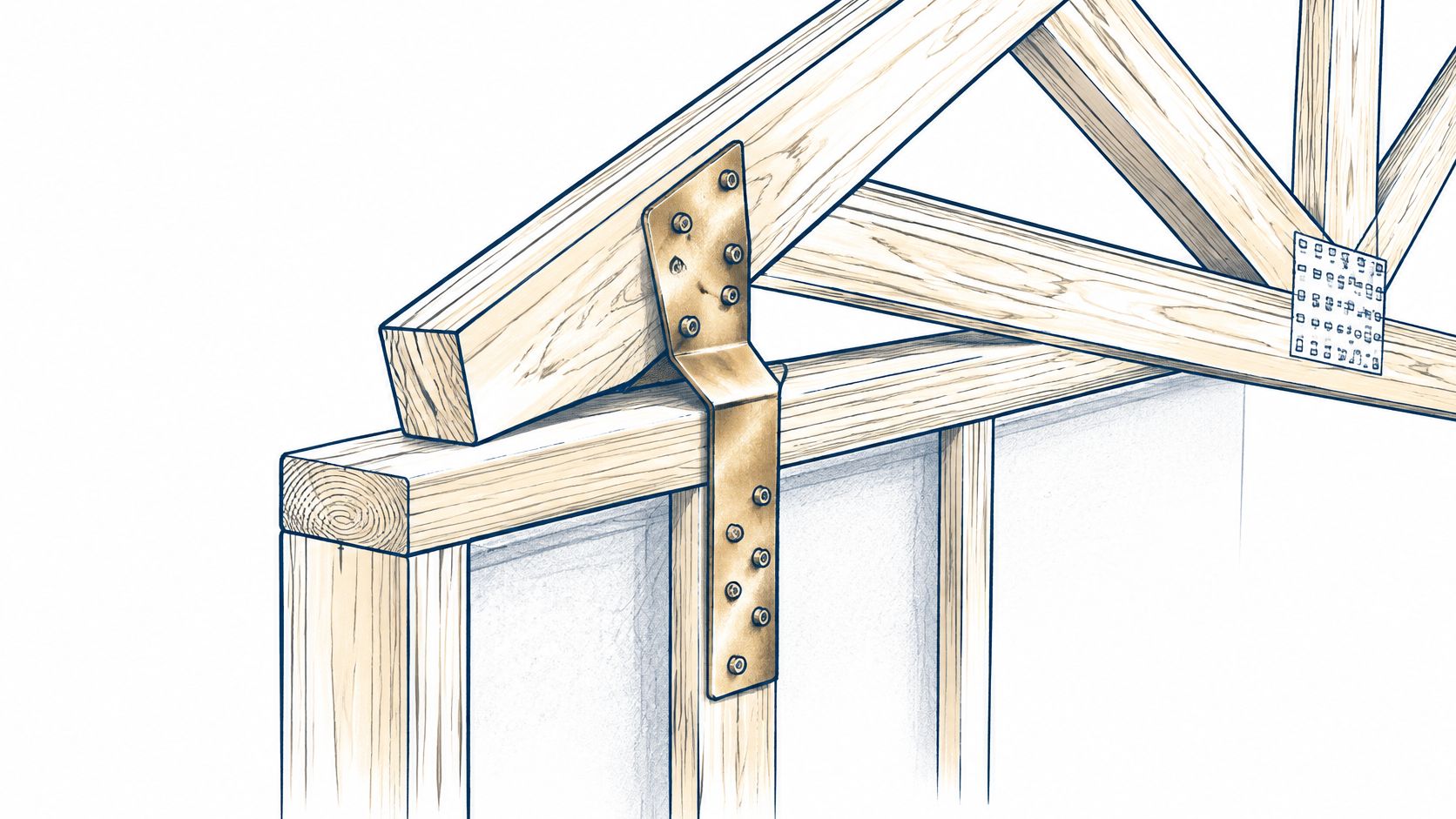
A wind mitigation inspection documents roof shape, roof covering, opening protection, and roof-to-wall connections, and insurers may use it when setting rates. Schedule it early so quotes reflect the actual house. The Gulf-front condo buying checklist walks through related coastal checks.
5. HOA, Condo Association, and Special Assessment Costs
The monthly HOA or condo association dues figure in a listing is only the starting point. Special assessments for repairs, reserve shortfalls, insurance changes, or capital projects can arrive on top of it. A low current fee can hide an underfunded reserve and a larger bill later.
The financial strain is common. In 2025, 76% of homeowners said at least one home issue affected their financial stability, according to the Hippo Housepower report coverage.
Documents to request before you commit
- Governing documents and current budget: These show what dues cover and who pays for what.
- Reserve information and meeting minutes: These reveal planned projects and funding gaps.
- Estoppel certificate: This statement of account shows amounts owed and may describe pending assessments.
Say the minutes mention a roof project with no funding source. That's a question for the association manager before your inspection period ends, not a surprise after closing.
6. Inspections, Wood-Destroying Organism Reports, and Repair Negotiations
The inspection fee itself is rarely the expensive part. The report is what triggers specialist visits, repair credits, and sometimes a decision to walk away. A general inspection covers visible conditions. Separate reports may address wood-destroying organisms, roof condition, plumbing, septic systems, or wells.
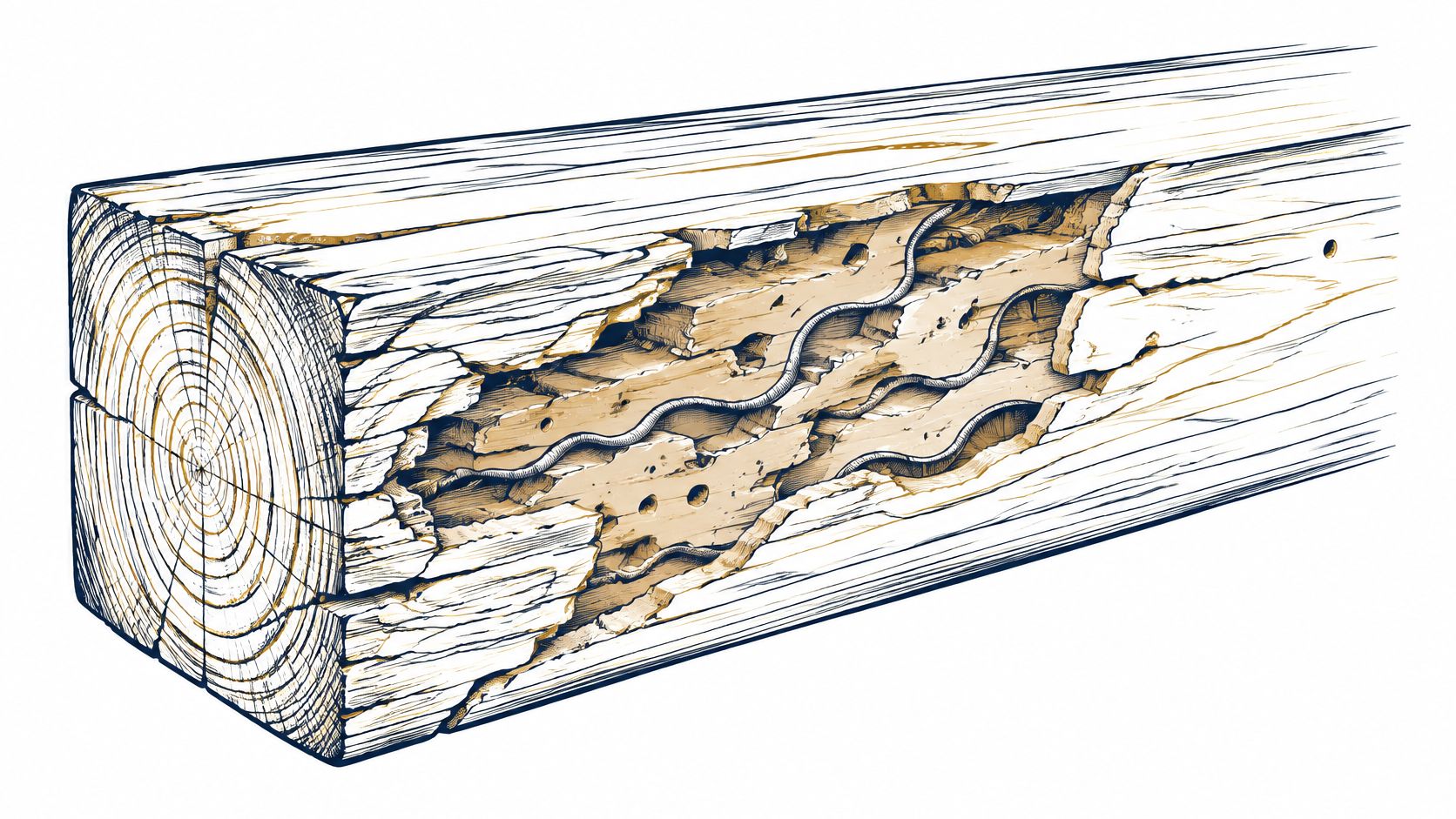
In Florida, the contract determines who pays for the wood-destroying organism inspection and who pays for any treatment or repairs. Calendar every inspection deadline the day the contract is signed. Say the report recommends a specialized roof evaluation. You'd get a licensed roofer's scope and price, then negotiate a credit before the deadline, using documentation rather than guesses. Brian Burgett, Broker/Owner of Dream Destin Realty, can help coordinate those steps within contract timelines.
An inspection describes conditions at the time of the visit. It doesn't guarantee future performance, so budget for what it can't see.
7. Title Insurance, Survey, and Recording Fees
Title costs start with the title commitment, which lists exceptions in Schedule B, and each one deserves a plain explanation from the title company or your attorney before closing. Lenders typically require a lender's title policy. An owner's policy is usually optional, and the contract often decides who pays for it.
Florida also taxes the documents themselves. Outside Miami-Dade, the deed documentary stamp tax is $0.70 for each $100 of consideration, and a recorded mortgage is taxed at $0.35 per $100 of debt secured, according to the Florida Department of Revenue documentary stamp tax page. On a $400,000 purchase with a $320,000 mortgage, that's $2,800 plus $1,120 before other charges.
A separate nonrecurring intangible tax of 2 mills, or 0.2%, applies to obligations secured by Florida real property, under section 199.133, Florida Statutes. On that same loan it adds $640. Confirm who pays for the owner's policy, survey, and recording charges in the purchase contract, and ask whether an existing survey is acceptable before ordering a new one.
8. Ongoing Maintenance, Coastal Upkeep, and Move-In Setup
Salt air, humidity, wind-driven rain, and sun work on exterior finishes, HVAC equipment, roofs, and metal components year-round. None of that appears on your closing statement.
Ask the seller for maintenance records, repair receipts, and the age of the roof, HVAC, and water heater. Say the records show an aging HVAC and worn exterior paint. You'd set a separate reserve for both before closing, instead of funding them from whatever cash remains.
Move-in setup adds its own layer. Electric, water, sewer, trash, internet, and gas accounts may need deposits or transfers, and installation appointments can be limited. Budget separately for moving, locks, and cleaning. If the home will be managed for you, review how Emerald Coast property management fees are structured.
When each hidden cost must be pinned down
The named source matters, but timing decides whether the number can still change the deal. Use this as a deadline map: each row pairs the cost with the decision it should influence and the last practical moment to pin it down.
| Item | Decision it should change | Last practical moment to pin it down |
|---|---|---|
| Closing costs and prepaid items | Cash to close, seller credits, and whether the loan terms still fit | Before final closing figures are issued for signing |
| Florida property tax reassessment after a sale | Whether the payment works after the reset, not whether the current tax bill looks low | Before inspection and financing deadlines pass, while terms can still be adjusted |
| Flood zone determination and flood insurance | Keep, renegotiate, or walk away if coverage is required or priced high | Before coverage is bound and loan approval is treated as final |
| Windstorm and wind mitigation coverage on the Gulf Coast | Premium, deductible, and whether mitigation features justify the price | Before the policy is bound, with inspection findings still usable |
| HOA, condo association, and special assessment costs | Price, repair reserves, rental plans, and comfort with pending projects | Before the association document review window closes |
| Inspections, wood-destroying organism reports, and repair negotiations | Repair credits, price changes, specialist follow-ups, or termination | Before the inspection period expires |
| Title insurance, survey, and recording fees | Whether exceptions, boundaries, or fee allocation need a contract fix | Before title objections and survey issues must be raised |
| Ongoing maintenance, coastal upkeep, and move-in setup | First-year reserve, service deposits, and how much cash stays liquid after closing | Before the final walkthrough, with utility start dates and contractor quotes in hand |
If a number arrives after its row's deadline, it stops being a decision point and becomes a surprise.
Verify Each Amount Before You Commit
Each cost above has a contract deadline that limits what you can still do about it, so the practical task is sequencing: pull each confirmation while the contract still lets you act on it, so a higher insurance quote, a new assessment, or a tax bill above the seller's stays a negotiation point before closing instead of surfacing afterward.
Work backward from your inspection and loan deadlines. Order the inspection and wind mitigation reports early enough to negotiate repairs or credits. Request the association's estoppel certificate, budget, and minutes while you can still object to pending assessments. Confirm the flood determination and written insurance quotes before you waive any contingencies, and get the title company's exceptions in hand before the closing date is set.
Then compare the verified carrying costs against your monthly budget. A home that looks affordable on principal and interest alone can strain cash once taxes reset, insurance renews, or an assessment lands. The reverse is also true: a slightly higher price with verified, stable carrying costs can be the calmer purchase.
If you want to organize these questions for a specific property, contact Dream Destin Realty.
Dream Destin Realty offers buyer and seller guides, live MLS search, and evidence-based pricing and due diligence support across Florida's Emerald Coast, including flood and insurance considerations. If you're weighing the true cost of a purchase in Destin (Okaloosa County), Miramar Beach or Santa Rosa Beach (Walton County), or nearby communities, visit Dream Destin Realty to start with current listings and local resources.


