
Hidden Pines Destin Homes: Verified Buyer Guide
Explore Hidden Pines homes on Lauren Court and Louise Circle in Destin, with guidance on ownership documents, inspections, insurance and local rules.

On this page
On this page
Hidden Pines is a single-family subdivision in Destin, with homes along Lauren Court and Louise Circle. Those two streets give buyers a focused starting point for a neighborhood search and a distinct alternative to Destin's condominium properties. The Hidden Pines name appears in the county's legal subdivision records for this local street network.
For a buyer exploring Hidden Pines, the home itself is the center of the comparison: its layout, outdoor space, roof, windows and day-to-day upkeep. A search along Lauren Court and Louise Circle can be paired with the wider Destin real-estate overview to compare single-family options across the city.
Table of Contents
- Hidden Pines Property Records and Construction History
- Navigating Fragmented Online Community Descriptions
- Association Governance and Document Verification
- Insurance Premiums and Total Carrying Costs
- Municipal Zoning and Short-Term Rental Regulations
- Regional Market Context and Inventory Metrics
- Property Inspection Focus Areas and Next Steps
- Frequently Asked Questions Regarding Hidden Pines
Hidden Pines Property Records and Construction History
What the county records establish
The strongest starting point for Hidden Pines Destin homes is the county data, not a syndicated listing description. Okaloosa County GIS records identify 32 Destin addresses on Lauren Court and Louise Circle in the Okaloosa County address records, checked September 29, 2026. The county parcel query for the Hidden Pines subdivision, checked the same day, returns 34 records classified in single-family and common-area property classes. Those figures should not be treated as interchangeable. The address count identifies mapped Destin addresses, while the parcel result includes records that aren't necessarily individual occupied homes.
This distinction matters in a compact subdivision. A parcel query can include common areas, residual parcels, or records that don't correspond one-for-one with a physical residence. Buyers should therefore use county parcel and address records to establish the community's footprint, then match the exact property under contract to its parcel identification number, legal description, deed, survey, and tax record.
The county evidence places the relevant streets on Lauren Court and Louise Circle. It doesn't, by itself, prove private access rights, gates, amenities, landscaping obligations, or association-maintained features. Those questions belong in the recorded plat, deed restrictions, declarations, amendments, and current association records.
Why the home's construction history matters
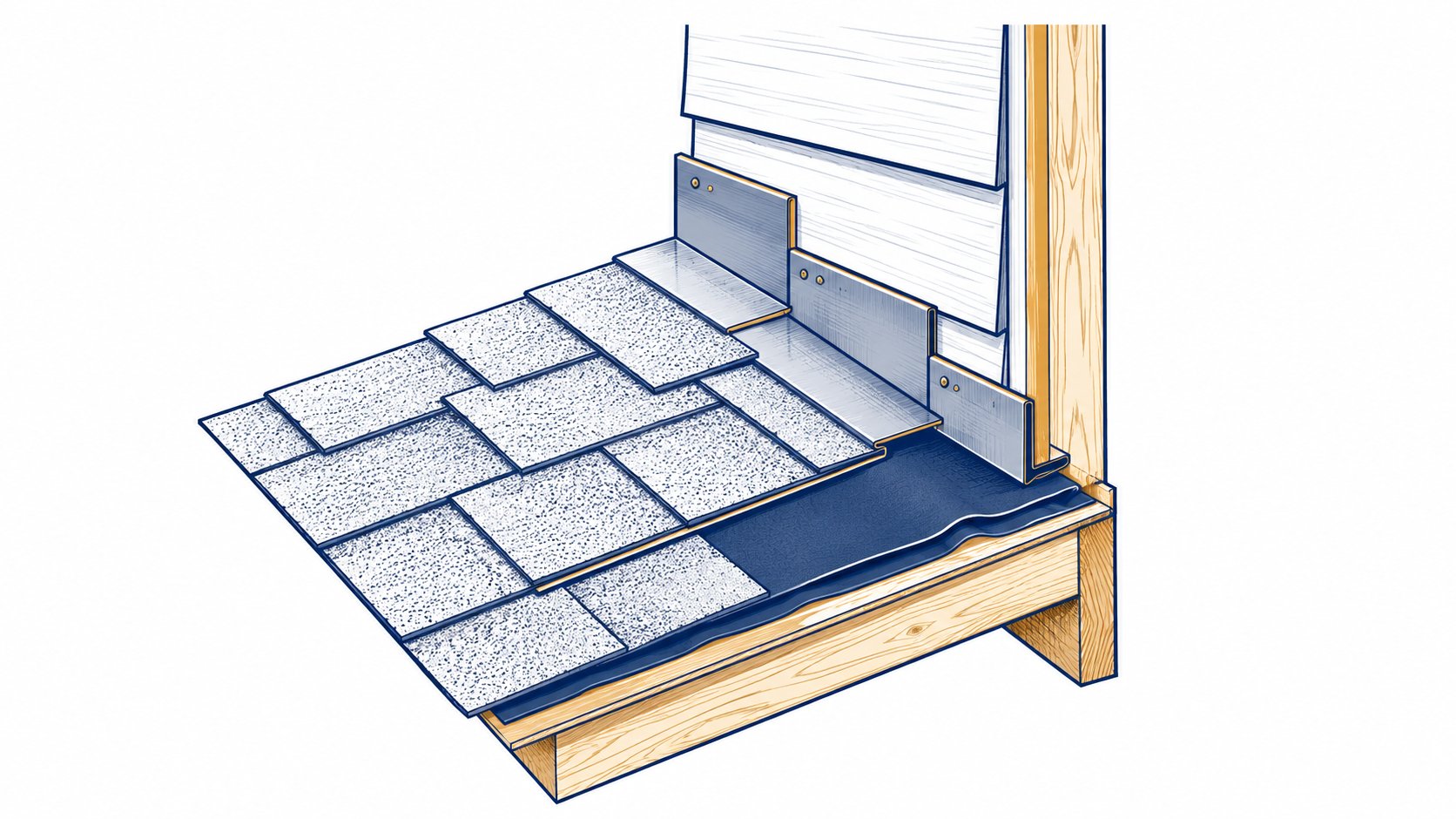
Confirm the construction year and later improvements in the exact property's county record and permit file. The subdivision name does not tell you when its current roof, windows or mechanical systems were installed. Ask the seller for invoices, warranties and permit information, then compare those records with the inspector's observations.
A home with older components can present a different purchase decision from one with documented replacements. The inspection should identify condition and past work, while the insurance review should determine how roof age, wind mitigation, elevation and opening protection affect the written quote. Construction year is a starting point, not a warranty or a substitute for inspection.
For a broader example of how detailed property analysis can separate physical facts from marketing language, see the Dream Destin Realty Etretat analysis. The same discipline applies here, although Hidden Pines must be evaluated through its own parcel and document trail.
Navigating Fragmented Online Community Descriptions
Why search results can misidentify the property type
Online references to Hidden Pines aren't consistently aligned. Some public descriptions associate the name with a small inland Destin subdivision along Lauren Court, while other material uses Hidden Pines for a different community in another Emerald Coast location or describes a townhome setting. Those references shouldn't be merged into one property profile.
The county records resolve the central question for this article. The verified Destin entity is the subdivision associated with Lauren Court and Louise Circle, with county parcel records using single-family and common-area classifications. That evidence is more reliable for identifying the local property type than a generalized neighborhood page, a copied listing description, or a search result that omits the city.
A practical source hierarchy
A buyer comparing Hidden Pines with properties in Destin, Miramar Beach, Santa Rosa Beach, Inlet Beach, or Fort Walton Beach should establish identity before comparing price or lifestyle. The sequence is straightforward:
- Match the street and city. Confirm that the listing address is on Lauren Court or Louise Circle in Destin, then compare it with the county address layer.
- Match the parcel. Obtain the parcel identification number and verify the county property record, legal description, and property class.
- Read the recorded documents. Review the plat, deed restrictions, covenants, easements, declarations, amendments, and notices that apply to the parcel.
- Separate community facts from house facts. A subdivision name can identify a location, but it doesn't prove the condition of a roof, the status of an insurance policy, or permission for a particular use.
- Treat listing language as a lead. MLS remarks and marketing pages can identify questions, but they aren't proof of legal rights or current obligations.
This process prevents a common analytical error. Buyers sometimes compare a single-family inland parcel with a coastal townhome or condominium based on a shared name, then draw conclusions about maintenance, fees, rental use, or insurance that belong to a different legal regime. Hidden Pines should be compared only after the exact Destin entity and property type have been confirmed.
Association Governance and Document Verification
Start with the entity, not the assumption
Identify any association through the exact legal name shown in the property's recorded documents and seller disclosure package. A similarly named association in another city, or a copied directory entry, does not establish who can assess charges or enforce restrictions on a Hidden Pines parcel. Ask the title company and any identified association to reconcile the parcel with the governing documents.
Use the Florida Division of Corporations name search to check the identified entity, then compare its information with the recorded declaration and amendments. Corporate status alone does not prove assessment authority, boundaries or the current leasing rules. Obtain the applicable documents and written association information for the specific property.
Build the document set
Request and review the documents below for the exact parcel:
- Recorded plat. Confirm lot boundaries, streets, easements, common areas, and any dedication language.
- Declaration and covenants. Identify use restrictions, maintenance duties, assessment authority, architectural controls, leasing terms, and enforcement provisions.
- Amendments and notices. Later filings can change the practical meaning of the original restrictions.
- Current budget and assessments. Verify regular charges, special assessments, reserves, insurance responsibilities, and unpaid balances.
- Rules and meeting records. Look for current policies affecting parking, exterior changes, pets, leasing, maintenance, or access.
- Resale and estoppel materials. Confirm the seller's account status, outstanding obligations, violations, and transfer requirements.
The governing regime also matters legally. A single-family subdivision may be subject to a homeowners association framework, deed restrictions, or another arrangement. Buyers shouldn't apply condominium assumptions or a statutory framework until the recorded documents establish which structure controls.
Practical rule: A directory can help you find an association. Only current recorded documents and written association records can show what the association can require.
A comparison with another Destin community is most useful only after the governing documents are understood. The Dream Destin Realty's Emerald Dunes guide can provide a separate reference point, but it doesn't establish Hidden Pines rules, fees, amenities, or access rights.
Insurance Premiums and Total Carrying Costs
List price is only the entry point
Insurance can materially change a home's total ownership cost, so obtain a written quote for the exact Hidden Pines address before relying on a budget. A seller's past premium or a general Destin insurance figure may use different coverage, deductibles, roof information or occupancy assumptions. Ask the insurance professional to explain those differences and the conditions required to bind coverage.
Flood exposure also requires an address-specific review. Use the FEMA Flood Map Service Center and the applicable local floodplain office to begin that review, then obtain an insurer's determination and any elevation information needed for the property. A neighborhood description or a citywide percentage is not a building-level flood determination.
Convert risk into a written budget
Before making an offer, request independent quotes for the exact address. Ask the insurer to identify assumptions about roof age, wind mitigation, openings, electrical and plumbing systems, replacement-cost coverage, deductibles, flood coverage, and any exclusions. The buyer should also determine which items are insured by the individual owner and which, if any, fall under an association policy.
The carrying-cost worksheet should include:
- Principal and interest, based on the buyer's financing.
- Property taxes and any applicable exemptions.
- Homeowners insurance and flood insurance, if required or selected.
- Association assessments and possible special assessments.
- Utilities, landscaping, pest control, and routine maintenance.
- Larger reserve items, especially roofing, exterior work, windows, and drainage.
A wind inspection can document mitigation features for underwriting. For the inspection itself, use the Florida Office of Insurance Regulation wind-mitigation resources and confirm with the insurer which current documentation it requires.
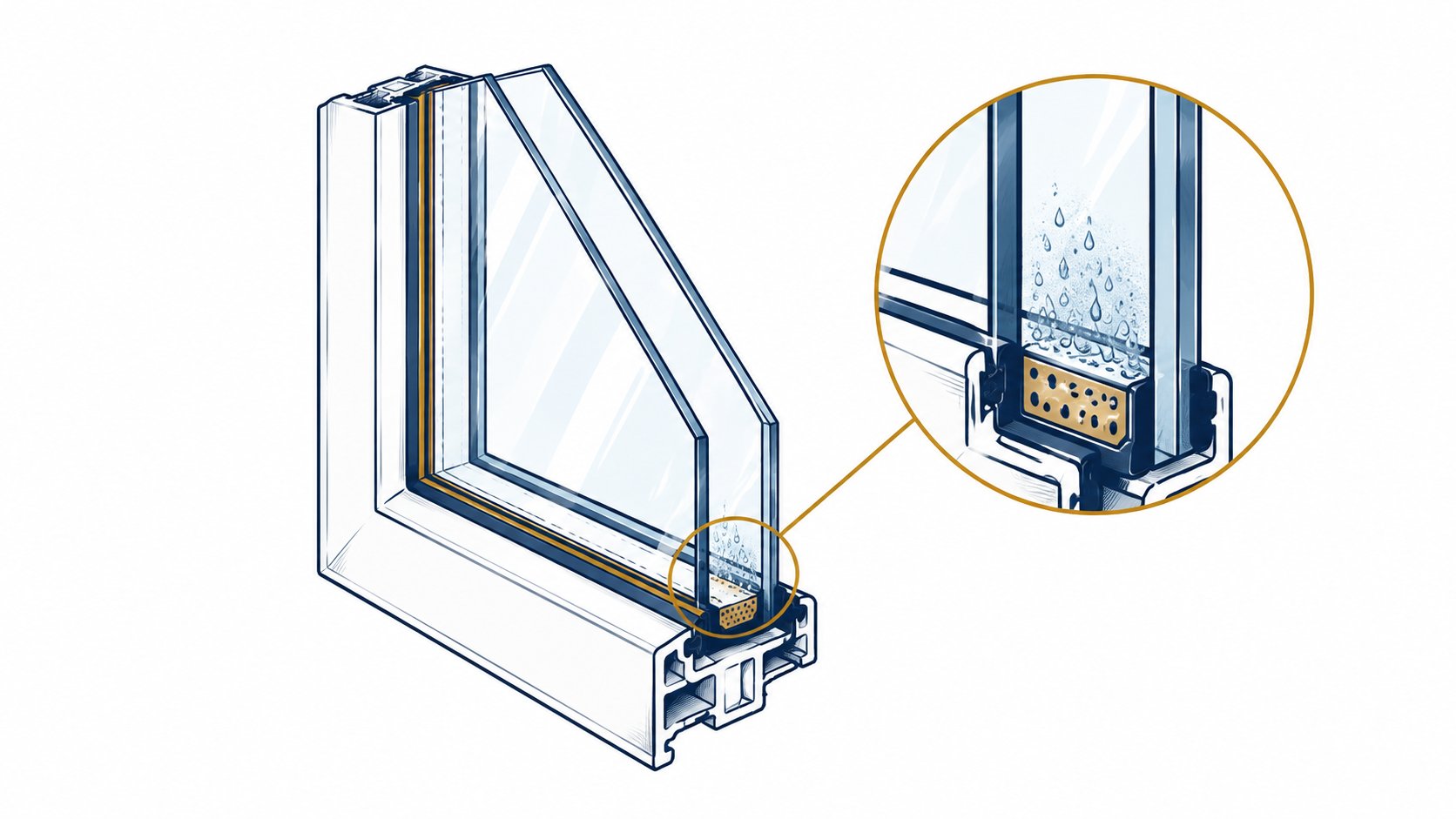
During the exterior review, have the inspector examine window edges, seals and surrounding finishes for deterioration or signs of water entry. Ask whether a noted defect concerns insulated glass, the frame or the connection to the wall; those findings may call for different repairs.
The analytical point is simple. A house with a lower asking price can still carry a higher monthly obligation if insurance, maintenance, or association costs are uncertain. The relevant comparison is the fully documented cost of ownership, not the listing number alone.
For a separate neighborhood reference focused on buyer review, see the Indian Oaks Destin buyer guide. Its existence doesn't supply Hidden Pines data, but it illustrates why neighborhood analysis should connect property facts with ownership obligations.
Municipal Zoning and Short-Term Rental Regulations
Eligibility must be proven at the property level
An intended rental use requires a separate property-specific review. Consult the City of Destin short-term rental information and confirm the address's zoning, registration, occupancy, parking, licensing and other applicable requirements. A prior rental, online advertisement or seller statement does not establish that a Hidden Pines home permits the proposed use.
Private restrictions create a separate set of requirements. Before relying on rental use, obtain current written evidence from the governing documents and association or management representative that the intended rental duration is permitted for the exact parcel. Then confirm the city's current zoning and registration requirements for that address.
City registration fees
Request the current city fee schedule for the proposed use and property size. Separately identify any application, renewal, inspection or licensing requirements that apply to the exact address. Keep municipal charges separate from association charges and ordinary home-maintenance costs.
Registration costs do not establish rental permission or expected returns. Confirm the intended use first, then obtain written information about applicable compliance work, licensing, insurance and other obligations from the responsible authority or provider. This guide does not supply rental projections.
Occupancy and operating controls
Ask the city to confirm current overnight occupancy limits, parking requirements, registration timing and operational rules for the proposed use. Those rules do not override stricter recorded restrictions or other applicable life-safety and property-specific requirements.
If local rules require a responsible party, confirm the current contact, location and response requirements directly with the city. Put those obligations in writing with any manager before committing to that arrangement; a general local summary is not a substitute for the rule applicable to the property.
The Emerald Coast short-term rental rules resource can help organize the municipal questions. It shouldn't be treated as written permission for a Hidden Pines property.
Until both document sets are clear, don't use occupancy, revenue, cap rate, ROI, or cash-flow assumptions in an offer analysis. The correct investment conclusion may be that rental use remains unverified.
Regional Market Context and Inventory Metrics
For a Hidden Pines offer, ask for recent closed sales and current listings of comparable single-family homes, each with a stated observation date and geographic scope. Keep active asking prices separate from closed transaction prices, and identify concessions when available. A citywide days-on-market figure or inventory count does not establish the negotiating position for a particular Hidden Pines home.
That distinction changes how the data should be used. A larger citywide inventory can give buyers more alternatives, while a small subdivision can have very few directly comparable listings at a given time. The absence of an active Hidden Pines listing doesn't prove scarcity, demand, or pricing strength. It means the buyer needs verified sold data, current condition comparisons, and a clear adjustment for lot, renovation, insurance, and legal differences.
The 30A comparison
If you are also considering 30A, compare the particular property types and locations rather than treating the corridor as a single pricing benchmark. A coastal condominium, detached home and townhome may have different maintenance allocations, insurance arrangements and use restrictions. A broad regional average cannot supply a Hidden Pines valuation.
A Destin buyer should therefore compare like with like:
- Single-family with single-family, rather than a condominium tower.
- Similar construction era and condition.
- Similar insurance and flood profile.
- Similar association obligations and leasing restrictions.
- Similar access, lot, parking, and maintenance responsibilities.
Use the current Destin market report to frame the local discussion, then require property-specific comparable sales before deciding whether an asking price is aggressive, reasonable, or unsupported.
Property Inspection Focus Areas and Next Steps
An inspection plan should follow the exact home's construction history, visible condition and intended use. Ask the inspector to identify systems needing specialist review and areas that could not be accessed, not merely confirm that the rooms are functional.
Direct the inspection toward high-consequence components
- Roof flashing: Check penetrations, transitions, valleys, sealants, visible damage, and installation history.
- Window seals: Look for failed seals, moisture between panes, operation problems, impact protection, and documentation relevant to insurance.
- Exterior joints: Examine caulked connections, trim transitions, siding or stucco interfaces, and points where water can enter.
- Drainage: Review grading, downspouts, roof runoff, crawl-space or slab-edge conditions, and any standing-water evidence.
- Mechanical systems: Record installation dates and remaining service expectations for air conditioning, water heating, electrical components, and plumbing.
- Alterations: Match additions, enclosures, roof changes, and major improvements with permits and seller disclosures.
Exterior joints deserve close attention because the transition between materials can conceal deterioration. Ask the inspector to describe the joint condition, visible sealant failures and any need for a contractor's closer evaluation. The component drawing illustrates a generic joint, not a Hidden Pines property.

The inspector's moisture findings should then be reconciled with insurance requirements and the seller's disclosure.
For drainage, ask where each downspout discharges and whether runoff is directed away from the building. Review staining, erosion and standing-water evidence with the inspector. A splash block is only one component of a drainage arrangement; its presence does not establish that the grading or overall system performs correctly.

Start with Hidden Pines homes for sale. The next step is to match an active listing to the county parcel, obtain the complete association and title package, request insurance quotes, and schedule an inspection before contingencies expire. A local brokerage can coordinate listing access and transaction deadlines, but the buyer should retain appropriate inspectors, insurers, lenders, surveyors, and legal professionals for their respective reviews.
Frequently Asked Questions Regarding Hidden Pines
How many Hidden Pines properties are shown in county records?
The current county GIS address layer identifies 32 Destin addresses on Lauren Court and Louise Circle. A parcel query returns 34 records in single-family and common-area classes. The two counts answer different questions, so neither should be presented as a verified physical-home count without matching each record to a parcel and structure.
Does the county data prove rental eligibility?
No. County parcel and address records establish location and classification information, not leasing permission. Rental use requires current review of recorded restrictions, association rules or written confirmation, and City of Destin zoning, registration, licensing, occupancy, parking, and safety requirements.
How do I confirm flood exposure?
Order a property-specific flood determination and ask the insurer for its underwriting requirements. A neighborhood description is not a substitute for a parcel-level review, an elevation certificate when relevant, or a written insurance quote.
What confirms the association's authority?
Compare the exact association entity with Florida corporate records, then review the recorded plat, declaration, covenants, amendments, easements, notices, current assessments, budget, insurance responsibilities, and resale documents. A directory listing alone doesn't establish assessment authority or the boundaries of common areas.
Can I rely on the build year for condition?
No. A verified construction year can help plan an inspection, but condition depends on maintenance, replacements, alterations, weather exposure, permits, and workmanship. Verify each major system instead of treating construction year as a warranty.
Dream Destin Realty helps buyers compare current MLS inventory, county property records, association documents, insurance questions, inspections, and property-specific use restrictions across Destin and the Emerald Coast. To evaluate available Hidden Pines properties with that documentation-first approach, visit Dream Destin Realty and request a property review tied to the exact parcel, address, and intended use.


