
What Does Active Under Contract Mean in Real Estate?
What does active under contract mean on a home listing? Learn how it differs from pending and what to confirm, since MLS status rules vary by area.

On this page
On this page
You spot a home online, but the status reads active under contract. Can you still make an offer, or is the deal already done? The label alone cannot settle that. The same status can carry different meanings depending on what the signed contract says and how the local MLS defines the term. What it does tell you is that a deal is underway. What it cannot tell you is whether the door is fully closed.
Table of Contents
- What Active Under Contract Means on a Listing
- How Active Under Contract Differs From Pending
- Contract Conditions That Still Decide the Outcome
- How Often Accepted Contracts Actually Close
- Backup Offers and Local MLS Rules in Florida
- Confirm the Status Before You Tour or Offer
What Active Under Contract Means on a Listing
Read the label as three separate claims. Active means the listing is still being marketed in the MLS. Under contract means the seller has accepted a signed purchase agreement. The contingencies are conditions written into that agreement, such as inspection, financing, appraisal and title review, that must be met, waived or resolved before the sale can close.
The status works like a reserved restaurant table. The host holds it for one party, and the reservation can be released if that party fails to meet a condition. The host may keep taking calls from diners willing to wait.
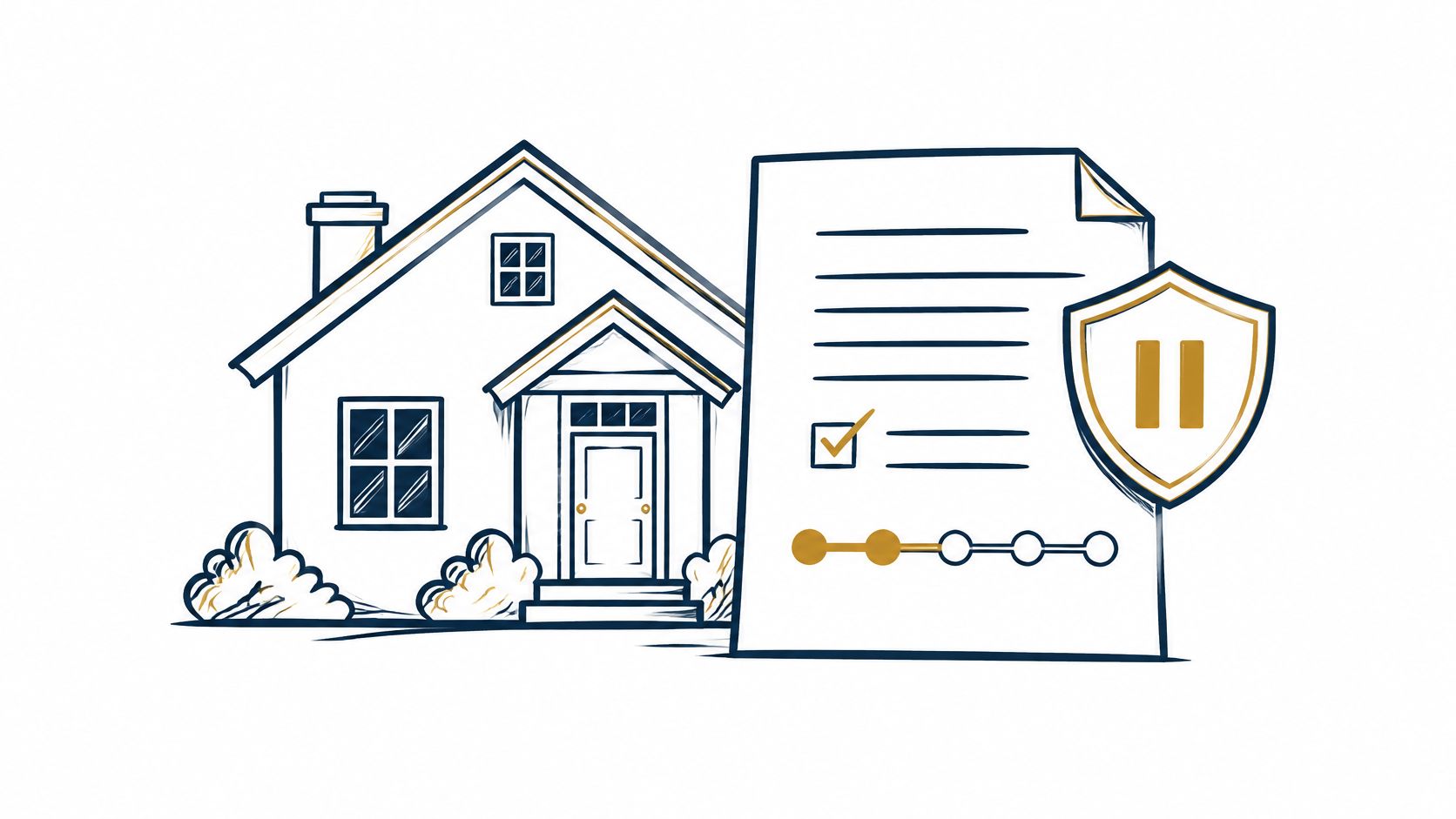
Because a contract is already signed, most of these deals reach the finish line. The National Association of REALTORS pending home sales release counts a sale as pending once the seller has accepted a contract, and reports that the majority of pending sales become completed transactions within one to two months.
What the label can't tell you is just as important. It doesn't say whether the seller accepts backup offers, which conditions remain open, or when each deadline falls. Two listings can carry the same four words while sitting on very different contracts, because the exact meaning is set by the signed agreement and the listing rules that apply to it. Use the label as a prompt to ask those questions before you tour or write an offer.
How Active Under Contract Differs From Pending
| Status label | Accepted purchase contract | Backup offers | Typical reading for a buyer |
|---|---|---|---|
| Active | No | Ordinary offers may be submitted under the listing terms | No accepted contract exists; confirm the seller's offer instructions |
| Active under contract | Yes | Possibly, if the seller accepts them | Contract signed and not closed; contingencies may still be open |
| Pending | Yes | Set by the local MLS definition and seller instructions | Usually treated as farther along toward closing; confirm the MLS definition |
| Under contract | Yes | Set by the local MLS definition and seller instructions | Doesn't alone show whether contingencies remain; check the listing status and contract |
Buyers confuse active under contract and pending most often. Pending usually reads as farther along, but that label alone doesn't confirm every contingency has been satisfied. Under contract is even less specific, since it doesn't by itself show which conditions remain open.
Each local MLS defines its own status names and rules, so the same words can carry different meanings in different systems. That's why Dream Destin Realty's buyer resources are best used as a starting point, with the listing's own status definition and seller instructions checked next. A status is also a snapshot. It can change if the first contract ends or a new one is signed.
Contract Conditions That Still Decide the Outcome
The signed purchase agreement, not the listing label, controls what happens next. The National Association of REALTORS consumer guide on steps between signing and closing frames this period around conditions that still need to be satisfied before ownership transfers.
| Condition | What it may protect | Question to answer before the deadline |
|---|---|---|
| Financing | Buyer if the required loan is not approved | Is the financing period still open, and what notice is required? |
| Appraisal | Buyer if the appraised value is below the contract price | Has the appraisal been ordered, and what happens if it comes in low? |
| Inspection | Buyer may negotiate repairs or cancel, depending on contract language | When does the inspection period end, and what written notice is required? |
| Title | Ownership transfer conditions set in the contract | Who orders the title work, and when is it due? |
| Insurance | Buyer's ability to obtain coverage before closing | Is coverage available at the property, and by what date? |
Say the appraisal comes in below the contract price. The contract may allow renegotiation or termination. If underwriting doesn't produce the required loan, a financing condition may protect the buyer. If inspection findings are serious, the language may allow repair talks or cancellation.
Each contingency should name its trigger, responsible party, deadline, notice method and remedy. Missing a written notice deadline may limit termination rights even when the underlying problem is real.
A problem found during due diligence helps only if the contract gives a right to act on it, and that right is used on time.
Before relying on any exit right, check earnest money refund terms in the executed contract and have a Florida real estate attorney or licensed professional review questions about deposit risk. Condo buyers should also check condo reserves and rental rules before related deadlines pass.
How Often Accepted Contracts Actually Close
An accepted contract is genuine progress toward a sale, yet active under contract still leaves room for the deal to fail. The National Association of REALTORS pending home sales methodology reports that more than 80% of pending home sales reach settlement within two months, and notes that some contracts are cancelled before ever reaching settlement.
Read that figure as odds.
It is a national figure, so it doesn't forecast any single Emerald Coast listing or set a closing date for a specific property. What happens between signing and settlement depends on the signed contract, since financing, appraisal, inspection, title and insurance provisions each carry their own conditions and deadlines. Local MLS definitions also decide what the label itself is claiming in the first place.
For a seller, continued marketing can preserve exposure to backup buyers if the first contract ends under its own terms. For a buyer, the practical step is to confirm whether a backup position is permitted under that MLS's rules and to read the cancellation and deposit provisions in the executed contract. The status label proves none of that on its own. Anyone budgeting for the final steps should also review Florida closing costs separately from the status question.
Backup Offers and Local MLS Rules in Florida
In Florida, an active under contract property is already under a signed purchase contract. Another buyer generally needs a written backup arrangement, because the first contract stays in force until it closes or ends under its own terms.
Florida Realtors guidance on backup offer forms describes a backup contract in which the parties choose a "drop dead" date. After that date, the backup buyer is no longer obligated to purchase if the backup hasn't moved into first position. The date works like an expiration window: it limits how long a backup buyer waits in reserve before regaining freedom to pursue other homes.
A backup offer doesn't push the first buyer aside. The label tells you a contract exists; the contract's own terms decide whether the first deal still stands and whether the seller can accept a written backup.
What the Label Does Not Settle
The first buyer's duties under the signed contract continue while a listing still shows as active under contract.
Because each MLS sets its own definitions, the same words can carry different meanings across Florida systems, including whether backup offers are invited while the status holds. Confirm the meaning in the listing's own system and remarks, then ask a Destin Florida Realtor what written backup form the seller requires.
Confirm the Status Before You Tour or Offer
An active under contract home can still reward a prepared buyer, provided a few questions get answered first. Before you tour or write an offer on one in Destin or elsewhere on the Emerald Coast, work through this checklist.
- Read the status definition: Check the listing's MLS definition and any remarks about backup offers or showings.
- Ask about backup position: Confirm whether the seller accepts backup offers and what written form is required.
- List open contingencies: Get each remaining condition, its deadline and its notice method in writing.
- Confirm exit and deposit terms: Review termination and deposit provisions with a Florida real estate attorney or your licensed agent.
- Verify property records: Check flood zone records, insurance availability, association documents and inspection findings before related deadlines expire.
The answers shape the decision in front of you: whether a written backup position is worth pursuing, which deadlines still protect the first buyer, and how much room your own offer has. If every contingency has expired and the seller is not taking backups, a home with no accepted contract may use your time better.
Dream Destin Realty emphasizes evidence-based pricing and property due diligence, including flood and insurance considerations. Applied here, that means each checklist item should end in a document, a deadline or a signed term you can verify.
If you're weighing whether to pursue a backup position or move on to a fully active listing, Dream Destin Realty can help you confirm the current status, the seller's backup instructions and the deadlines that matter before you tour or offer. Reach out through the brokerage's contact page with the property address and your questions, and get a clear next step grounded in the contract and MLS rules.
Questions about a specific property? Contact Dream Destin Realty.


