
Destin Towers: 2026 Condo Buyer Guide
A document-first Destin Towers buyer guide covering association records, reserves, insurance, unit rights, rental eligibility, and contract checks.

On this page
On this page
Destin Towers is a Gulf-front condominium at 1008 Highway 98 East in Destin. Okaloosa County records date the building to 1984 and place its residences on sixteen levels; current listings and building details are on our Destin Towers condos page. That setting helps orient a search; it does not establish the beach rights, view, condition, parking or rental permission attached to a particular unit. For a purchase, match the residence to its legal description and review the association’s current financial, insurance and maintenance obligations before comparing asking prices.
Start with the recorded declaration and amendments, confirm the association's current legal identity, then match the seller's disclosure package to the exact unit. Review budgets, reserves, inspection records, insurance, litigation and assessment disclosures together. Do not assume a beach right, amenity, parking space, pet rule, rental permission, fee, view, or unit feature from a listing headline. On our site, Destin Towers is marked Short-Term Rental Eligible, based on Dream Destin Realty's own review. Confirm the recorded documents, current association rules and City registration for the exact unit before relying on rental income.
Table of contents
- What the name identifies
- Build the legal-identity file
- Collect the condominium disclosure package
- Review governance, money, and insurance together
- Verify the exact unit and claimed rights
- Rental use and association rules
- Separate association rules from City rules
- Check financing and contract timing
- Buyer questions
- Use a document-first comparison
- Create a review record
- Next step
What the name identifies
"Destin Towers" is a search and marketing name. A buyer still needs the legal description from the deed or contract, the exact condominium name in the recorded declaration, and the association entity that currently governs the unit. Similar wording across a listing, tax record, association document, and corporate filing is not enough; the names and legal description should connect cleanly.
Use the Destin Towers condos for sale page to identify current inventory and listing-specific questions. Treat that page as a search tool, not as proof of a private right, association rule, unit condition, or rental permission. Those conclusions belong in the recorded and current property-specific file.
This distinction prevents several common errors. A buyer should not merge a condominium with a similarly named subdivision, assume that every unit has the same appurtenances, or infer current rules from a past owner's use. The exact unit is the unit named in the contract and legal description. The controlling condominium is the one established by the declaration and amendments that apply to that unit.
Build the legal-identity file
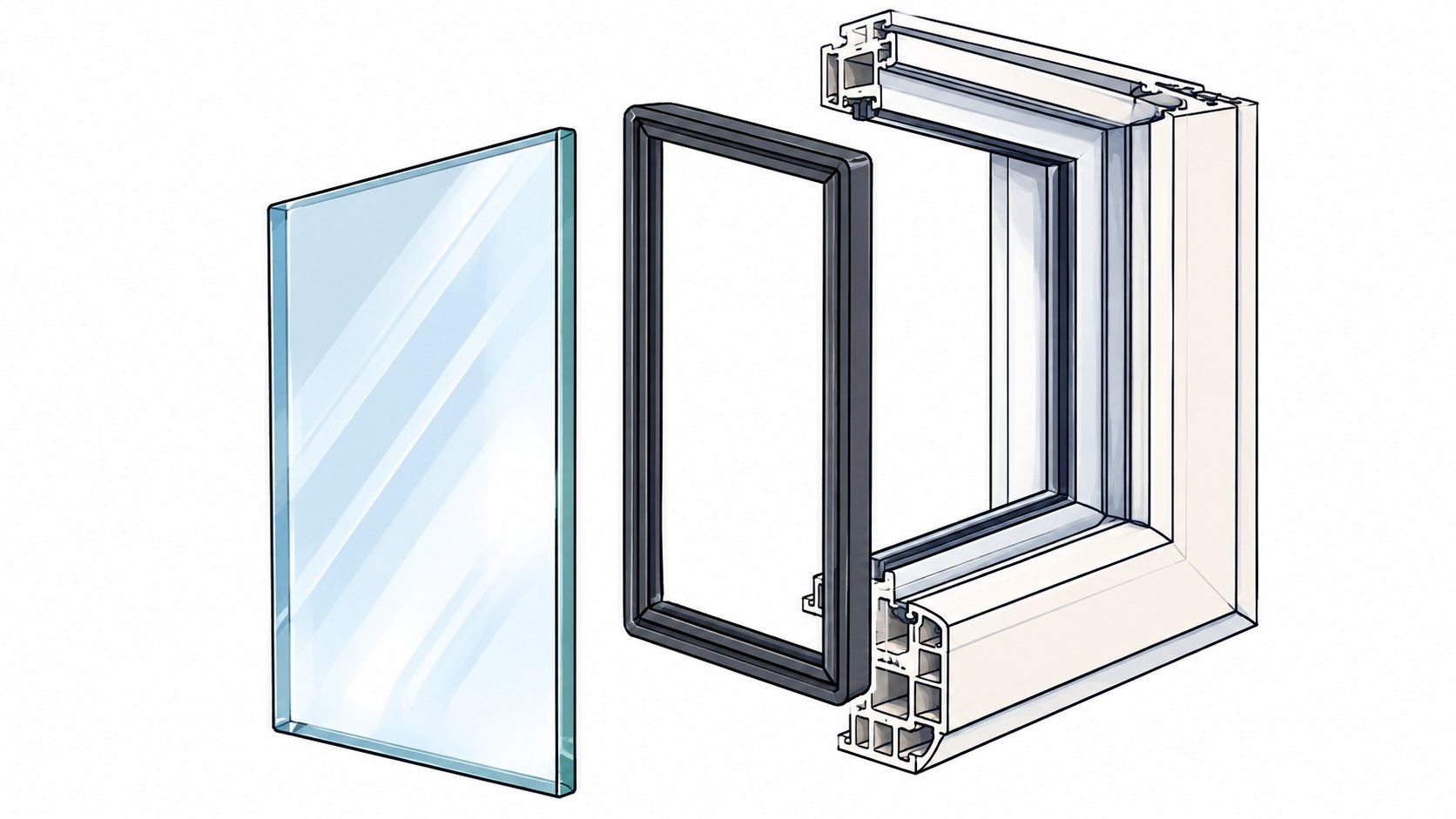
Generic component illustration, not Destin Towers. The governing documents determine which components the owner or association maintains.
Begin with four items: the proposed deed or contract legal description, the recorded declaration, all recorded amendments, and the association's current corporate record. The Florida Division of Corporations provides the official Sunbiz entity search. A corporate filing can help confirm a legal name, status, registered agent, and filing history, but it does not replace the recorded condominium documents.
Compare names across every record. Confirm whether the seller's disclosure package refers to the same condominium and association as the legal description. If a phase, tower, building, parcel, limited common element, parking assignment, storage space, or other appurtenance is claimed, locate the recorded language or current written evidence that creates or assigns it.
Record the source, retrieval date, document date, and exact unit or legal entity each item covers. If two records conflict, do not average them. Use the most restrictive current verified rule for planning purposes and require the conflict to be resolved before relying on the claimed right.
Collect the condominium disclosure package
Florida condominium purchases are document-heavy for a reason. The current version of Florida Statutes Chapter 718 is the primary starting point for condominium governance, records, reserves, inspections, sales disclosures, and owner obligations. The statute changes over time, so a buyer should use the current text and obtain legal advice for contract-specific questions.
Request the declaration and amendments, articles of incorporation, bylaws, current rules, current budget, recent financial information, reserve or structural reserve materials, applicable inspection reports, master insurance information, recent board and membership minutes, pending or approved assessments, litigation disclosures, and written management information. The Florida DBPR condominium portal is another official reference for condominium regulation and records available through the state.
Do not review the packet as isolated documents. The declaration may allocate maintenance responsibility, an amendment may change leasing, a rule may govern parking, the budget may reveal a cost that is not obvious from the listing, and meeting minutes may add context to a pending project. The decision depends on how the current documents work together.
Section 718.503 addresses disclosures connected with condominium sales. Buyers should confirm which disclosure and cancellation provisions apply to their transaction with qualified counsel rather than assuming that every resale or developer transaction follows the same timetable. Contract deadlines are practical risk controls only when the buyer knows when the period begins, what was delivered, and what remains missing.
Review governance, money, and insurance together
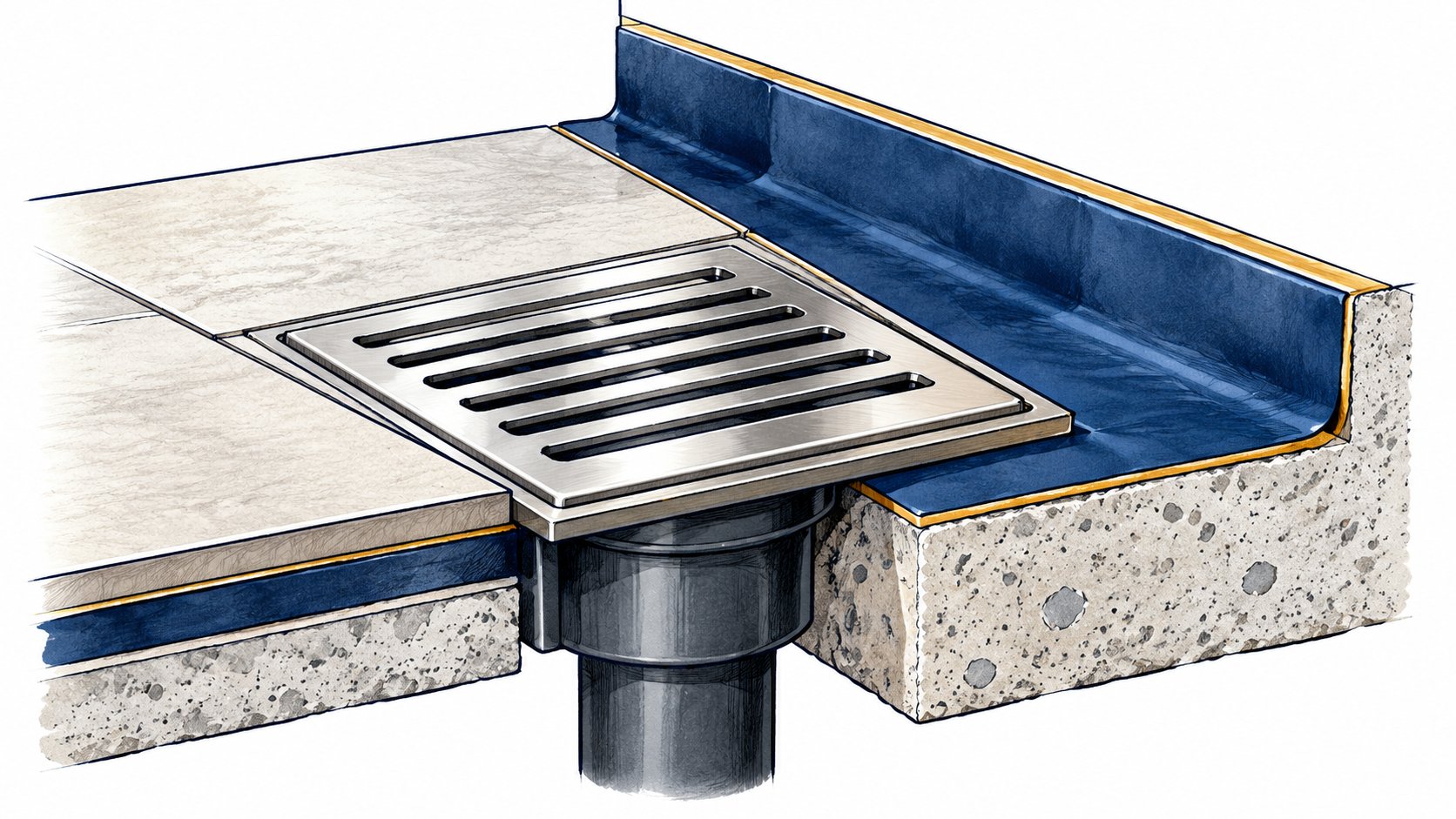
Generic repair-scope illustration, not a finding about Destin Towers or an installation specification. Compare actual inspection findings with the association’s repair and funding plans.
A headline monthly charge does not explain a condominium's financial position. Ask for the current adopted budget and identify what the association says the charge includes. Then review reserves, assessment history, planned projects, contracts, insurance costs, deductibles, and owner-maintenance obligations. A fee should never be described as low, high, stable, or complete without a current attributable document and a clear comparison method.
Read reserve information beside inspection information and meeting minutes. A reserve line alone does not establish whether future work is fully funded, and an inspection report alone does not show how the association intends to pay for work. Ask whether any structural integrity reserve study, milestone inspection, repair program, or related funding obligation applies to the condominium, and obtain the actual current records rather than relying on a summary.
For insurance, distinguish the association's master policy from the coverage an owner may need. Confirm covered property, exclusions, deductibles, loss-assessment exposure, wind treatment, flood treatment, and any unit-level requirements with licensed insurance professionals. The FEMA Flood Map Service Center can supply official flood-map context, but a map does not replace an elevation certificate, policy quote, association policy, lender requirement, or property-specific insurance review.
Verify the exact unit and claimed rights

Every listing detail should be converted into a question for the inspection and document file. Verify the unit number and legal description; boundaries between unit and common elements; responsibility for windows, doors, balconies, mechanical systems, and interior components; permitted alterations; open permits; prior repairs; water intrusion; electrical, plumbing, HVAC, and appliance condition; and any seller disclosure.
Amenities, access, parking, storage, pets, occupancy limits, and exclusive-use areas require the same discipline. A photograph or rental advertisement may show that something existed or was marketed on one date. It does not prove that the exact unit currently owns, controls, or may use it. Locate the declaration, plat, amendment, rule, assignment, or current written association confirmation that supports the claim.
Use a licensed inspector and the appropriate specialists for the unit and building conditions under review. When a claimed improvement affects exterior appearance, structural components, plumbing, electrical systems, or common elements, ask for permits and association approval. If approval cannot be documented, treat the condition as unresolved before the inspection and contract deadlines expire.
Rental use and association rules
Can you rent the unit? A rental advertisement, reservation calendar, MLS remark, prior rental history, seller statement, property manager page or market benchmark is not enough to establish permission for your proposed stay duration.
Before rental use is discussed as part of the purchase decision, obtain the declaration and every rental-related amendment, the current association leasing rules, and written association or management confirmation when the documents are unclear. Verify whether restrictions vary by unit, ownership date, owner-occupancy period, frequency, minimum stay, guest registration, occupancy, parking, age of responsible renter, management arrangement, or approval process. Confirm the exact unit wherever the rules distinguish units or grandfathered rights.
If current governing documents and association rules do not clearly support your intended stay duration, keep rental use out of the purchase assumptions until the question is resolved. Where a verified restriction applies, plan around that restriction. A market-level occupancy or nightly-rate figure cannot establish a unit’s rental permission, income or return, and this guide makes no unit-level rental forecast.
Separate association rules from City rules
Association permission and government compliance are separate gates. Even if the condominium documents allow a proposed stay duration, the owner must independently confirm the property's jurisdiction, zoning, registration, licensing, occupancy, parking, safety, tax, and operating requirements.
For property inside the City of Destin, use the City's current short-term-rental registration resources and the City's published land development code as primary starting points. Verify the exact parcel and current rules with the City before relying on a proposed use. A city registration does not override a private restriction, and association approval does not replace city compliance.
Keep written evidence from each gate. The file should show which condominium documents were reviewed, which City materials were checked, the dates of the review, the proposed stay duration, and any unit-specific restriction. Until both requirements are satisfied, do not base the purchase budget on a proposed rental use.
Check financing and contract timing
Condominium financing can depend on project-level information as well as the buyer and unit. Ask the lender which project questionnaire, insurance, reserve, inspection, litigation, owner-occupancy, commercial-space, delinquency, or structural information it requires. Do this early enough for an unfavorable project review to be handled within the contract.
The contract should provide workable time for condominium document review, inspection, insurance, financing, title, survey or legal-description verification when applicable, and association approval. The correct clauses and deadlines depend on the transaction. A Florida real-estate attorney can advise on legal effect, while the lender, insurance agent, inspector, title professional, and association or manager address their respective parts of the file.
Do not let a scheduled closing compress unresolved issues into assumptions. Create a missing-document list, assign responsibility, record delivery dates, and require written answers. If a material record arrives late, ask qualified counsel how that affects the buyer's rights and deadlines.
Buyer questions
What are the HOA fees at Destin Towers?
The amount and included services must come from a current adopted budget, assessment schedule and seller or association disclosure for the unit. Add any separate assessment, owner-maintenance cost and insurance deductible exposure before comparing total ownership costs. This guide does not certify a current fee.
Does a Destin Towers rental listing prove short-term rentals are allowed?
No. Advertising or past bookings do not establish the current legal permission attached to your purchase. Review the declaration, amendments and current leasing rules for the intended stay duration, then verify the separate City requirements.
Does a beachfront location guarantee a particular view or beach right?
No. Inspect the actual unit’s view and confirm access rights and restrictions in the controlling property documents. Location, a photograph and another owner’s use are different kinds of evidence.
Detailed buyer review questions
- Which recorded condominium declaration, amendments, phase documents, and current association records establish the legal identity and governance of Destin Towers? Start with the unit’s contract or deed legal description and match it to the recorded declaration and applicable amendments. The City’s condominium index identifies Destin Towers Condo separately from Emerald Towers; that index is a locating aid, not a complete governing-document packet. Reconcile the association’s current corporate record with the recorded documents and confirm any parking, storage or other appurtenance in the exact unit’s file.
- Which current maintenance, master-insurance, reserve, assessment, parking, pet, and leasing obligations should a Destin Towers buyer verify before the contract deadline? Verify the adopted budget, reserve materials, assessments, master-policy limits and deductibles, and the declaration’s allocation of maintenance. Read current parking, pet and leasing rules rather than relying on a listing. Ask whether inspection findings or planned work affect those costs; a monthly fee alone does not show the owner’s full obligations.
- Which building, access, amenity, unit-condition, and Gulf-front location facts about Destin Towers are supported by primary or current listing records, and which vary by unit? The Gulf-front setting and the 1008 Highway 98 East address help identify the building, not the rights or view of every unit. Confirm access and amenity rights in the declaration and current rules, and unit condition through disclosures, permits and inspection. Measurements, renovations, parking assignments and the actual view need unit-specific evidence.
- What financing, inspection, milestone-or-structural-report, association-review, insurance, rental-rule, and closing checks are specifically relevant to a Destin Towers purchase? Arrange lender project review, title and condominium-document review, inspection and an owner insurance quote within the contract deadlines. Determine whether milestone or structural-reserve requirements apply and obtain the actual reports where relevant. If rental use matters, verify the unit’s current private restrictions separately from City requirements before budgeting income.
Use a document-first comparison
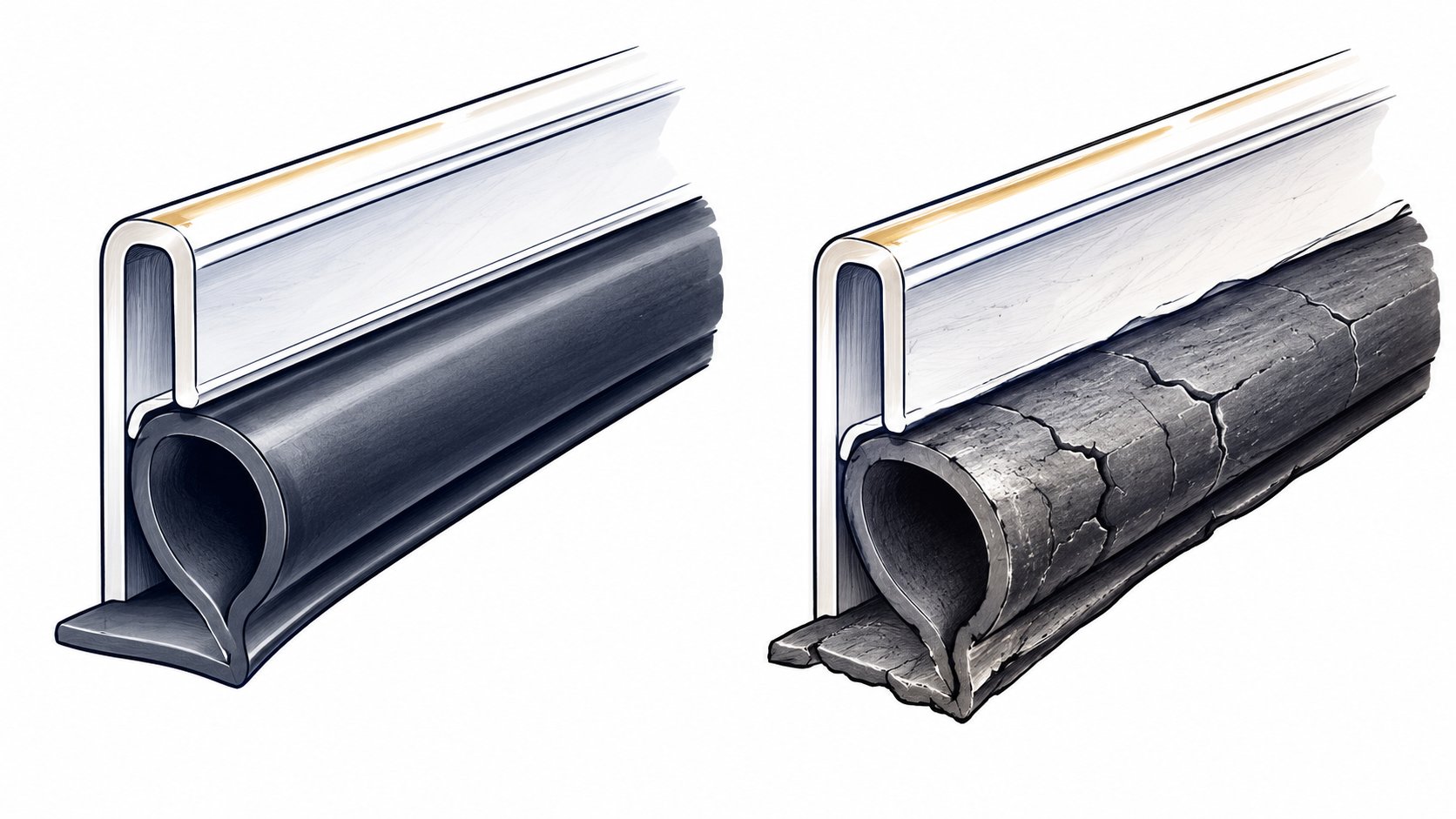
Generic condition comparison, not a Destin Towers inspection result. Compare the actual units using inspection evidence, not this illustration.
| Decision area | Evidence to obtain | Do not substitute |
|---|---|---|
| Legal identity | Deed or contract legal description, declaration, amendments, current Sunbiz record | Similar community names or marketing labels |
| Association governance | Bylaws, current rules, minutes, written management responses | A seller's memory or old listing |
| Money | Current budget, reserves, assessments, contracts, financial records | A single monthly-fee number |
| Building condition | Applicable inspections, repair records, permits, specialist review | Renovation language or photographs |
| Insurance and flood | Master policy, deductibles, owner quote, official flood information | A generalized coastal estimate |
| Unit rights | Declaration, plat, assignments, approvals, written confirmation | Visible use by another owner |
| Rental eligibility | Current declaration and amendments, current rules, exact-unit confirmation, City verification | MLS remarks, rental ads, history, or benchmarks |
| Financing and closing | Lender project review, title work, contract deadlines, legal advice | A preapproval that ignores the condominium |
This method also makes comparisons with other Destin condominiums more reliable. The Destin condo buyer's guide explains the wider decision framework, but each building and unit still requires its own current file.
Create a review record
A disciplined review record makes the final decision explainable. Start a source register with columns for the issue, exact document, issuing party, document date, retrieval date, property or unit covered, relevant section, conclusion, and unresolved follow-up. Save the full document, not only a screenshot or excerpt. Record who supplied it and whether it appears complete.
Next, create a contradiction log. If the listing describes a right or feature that the declaration, rule, title commitment, inspection, insurance file, or association response does not confirm, quote each source and identify the decision owner who must resolve it. A later document should not silently overwrite an earlier conflict. Keep the change visible and record why the new source controls.
Create a deadline map tied to the contract. Include condominium-document delivery, attorney review, inspection, insurance, financing, title, association approval, and closing milestones. For each missing item, note the last safe date for action and the professional responsible for advice. This prevents a document request from becoming meaningless after the relevant right has expired.
Finally, prepare a closing-ready checklist. Confirm that the legal description matches the intended unit; required association and seller materials were delivered; material inspection and repair questions were resolved; insurance is available on acceptable terms; the lender completed any project review; title exceptions and claimed appurtenances were addressed; and the buyer understands current assessments and use restrictions. If rental use is part of the plan, attach the separate association and City verification record and confirm both before relying on rental income.
A strong record does not eliminate judgment. It shows which conclusions rest on current evidence, which depend on professional advice, and which remain unknown. That is especially useful when comparing two Destin Towers units with different condition, disclosures, or seller claims.
Before the buyer signs the final closing documents, repeat a narrow freshness check. Confirm that no new board notice, assessment, insurance change, repair update, rule amendment, title matter, lender condition, or seller disclosure has arrived since the principal review. Ask the association or manager whether the documents supplied remain current and preserve the written response. If a material change appears, route it back to the appropriate attorney, lender, insurer, inspector, or title professional. A review completed earlier in the contract is not automatically current on closing day.
Archive the final versions of the documents used for the decision and label each file with its source, document date, retrieval date, property, and unit. Keep unresolved questions in a separate open-items list rather than burying them in email. For every material conclusion, note the supporting document section and the professional responsible for any interpretation. File organization does not prove a fact or replace legal, lending, insurance, inspection, title, or association advice; it makes the buyer's reliance traceable and helps prevent an older draft, a different unit's record, or an unverified marketing statement from becoming the closing-day reference.
Next step
Review current Destin Towers condos for sale, choose the exact unit or units you want to compare, and request the legal, association, financial, insurance, inspection, and rule documents before relying on a claimed feature or use. For help organizing the questions and comparing the available units without substituting marketing for evidence, request a Dream Destin buyer consultation.
The goal is not to prove a predetermined conclusion. It is to create a traceable decision file: exact property, exact unit, current documents, current government rules, written unknowns, and contract deadlines that preserve the buyer's ability to act on what the evidence shows.


