
Eastwood Destin Homes for Sale: A Buyer Decision Guide
Explore Eastwood Destin homes for sale. Compare subdivision records, home condition, insurance, inspections, and the steps from offer to closing.

Eastwood’s Destin home search includes single-family properties along Overstreet Drive, Stahlman Avenue, Snapper Drive, and Benning Drive. Buyers can explore individual houses, yards, and layouts through the current Eastwood homes for sale search, then compare the homes that fit their needs.
Eastwood also has a long local history: the City of Destin’s plat index dates the original subdivision to January 8, 1965, followed by numbered additions. That established subdivision history gives buyers a useful starting point for understanding the area while comparing the construction, improvements, and outdoor space of individual homes. City of Destin subdivision plat index.
Table of Contents
- What Buyers Actually Mean by Eastwood in Destin
- Current Market Context for Eastwood Buyers
- Build History and Housing Stock Inside Eastwood
- Flood, Wind, and Insurance Due Diligence
- Short-Term Rental Eligibility for Eastwood Homes
- Inspections, Financing, and Resale Checks
- Offer-to-Close Checklist
What Buyers Actually Mean by Eastwood in Destin
Eastwood is represented by an original plat and several numbered additions in the City’s subdivision plat collection. Those recorded maps are the appropriate starting point for identifying lots and streets; a portal result for one lot is not a count of the entire neighborhood’s homes or available inventory.
A listing’s subdivision label may be abbreviated. Match it to the legal description, recorded addition, lot, and block in the property’s title materials. In particular, do not confuse Eastwood with Edgewood: the City’s plat index lists them separately. This distinction helps keep comparable sales and document requests tied to the correct subdivision.
The records that settle the question
Before you compare homes, ask for the following:
- Recorded subdivision name: Confirm the exact addition, lot, and block shown in the contract and title materials.
- Parcel identification: Match the legal parcel to the county property record, not just the street address.
- Governing documents: Determine whether recorded covenants, an association, or maintenance obligations apply to that specific parcel.
- Physical boundaries: Confirm which streets and lots belong to the relevant recorded addition.
Treat the listing label as a starting point. The recorded plat and title work are the reference points for the parcel’s legal identity.
Practical rule: Never compare two “Eastwood” listings until you know they belong to the same recorded addition or you've adjusted your analysis for different documents, build eras, and parcel conditions.
Citywide averages won't tell you whether one Eastwood home sits in a different FEMA zone, carries separate association obligations, or has a roof and electrical system from a different construction period. Confirm the plat, lot, and block before you rely on photos, advertised features, or a neighborhood summary.
Current Market Context for Eastwood Buyers
An Eastwood price comparison should begin with recent closed sales of similar single-family homes, then current competing listings. A broad Destin or Destin-Walton report covers a different comparison area and may mix property types. Its median is not a valuation for an individual Eastwood house.
Comparing Eastwood Listings and Closed Sales
| Comparison item | Evidence to request | Why it matters |
|---|---|---|
| Sale status and date | Current listing status and recorded closing date | An asking price is not a completed sale |
| Recorded subdivision | Legal description and plat reference | Avoids mixing Eastwood with a similarly named area |
| Living area and layout | Consistently reported heated area and bedroom/bath count | Keeps size comparisons meaningful |
| Condition and improvements | Disclosures, permits, inspections, and renovation details | Similar size does not mean similar repair cost |
| Lot and access | Survey, easements, parking, and usable outdoor space | Identifies differences that affect everyday use |
| Price history and concessions | Listing changes and verified closing terms | Helps distinguish price reductions from negotiated terms |
Ask for the comparison period, search boundaries, property-type filters, and number of closed sales. If few homes are comparable, expand the search deliberately and explain each difference rather than presenting a citywide average as an Eastwood price.
Weight the evidence in this order: recent closed sales with similar condition and lot characteristics, current competing listings, recent contracts, and then citywide medians. Use the broader Destin figures for context, but let the exact home's insurance bindability, financing terms, repairs, and legal restrictions establish your real ceiling.
For a broader neighborhood comparison, review the Destin homes and neighborhoods guide. Return to the exact home’s condition, costs, and documents when deciding what to offer.
Build History and Housing Stock Inside Eastwood
The City’s plat index records Eastwood’s fourth addition in 1970, sixth addition in 1971, and ninth addition in 1978. These are subdivision recording dates, not construction dates for individual homes. Check the county property record and building permits to establish when a particular house was built or altered. City of Destin plat index.
An older house may have different roof, plumbing, electrical, HVAC, window, drainage, and storm-protection considerations from a substantially newer home. A later renovation can improve the property, but listing language about “updated” doesn't establish the age, permit status, or remaining useful life of each system.
Pull the property record before comparing value
Ask for the county record and match it to the seller's disclosures and permit history. Focus on:
- Effective year built, including whether the record reflects the original structure or a later improvement.
- Heated square footage, measured consistently against comparable homes.
- Addition and renovation permits, especially for enclosed areas, structural changes, electrical work, plumbing, and major mechanical replacements.
- Lot and access details, including easements, setbacks, drainage, utility corridors, and any shared access arrangement.
- Site improvements, such as driveways, fences, sheds, pools, or additions that may require separate approvals.
Don't assume two homes with the same bedroom count compete equally. Lot configuration, usable outdoor area, parking arrangement, renovation quality, and the age of hidden systems can shift the buyer's cost basis substantially.
A listing photo shows what the seller wants you to notice. The permit record, inspection report, and insurance quote show what you're actually buying.

The recorded plat should answer questions about lot lines and access. The title search should identify easements and restrictions. If you're considering an addition, pool, enclosure, or change in use, have the relevant professional review setbacks and recorded documents before you make the offer contingent on an assumption that may not be legal.
Flood, Wind, and Insurance Due Diligence
Flood exposure is an important consideration in a Destin home purchase. The City of Destin states that flood insurance is mandatory when a property lies in a Special Flood Hazard Area and the buyer uses a federally backed mortgage or loan. The City of Destin flood insurance guidance also explains why the exact FEMA classification matters before you treat a listing as financeable.
Standard homeowners insurance generally does not cover flood damage. Review separate flood coverage with the insurer and lender, including exclusions and deductibles, rather than assuming a homeowners policy covers rising water. The City of Destin flood insurance guidance explains the distinction. Ask the insurer to interpret the exact parcel’s current flood zone and any coastal wave exposure before choosing coverage.
What to verify on the exact parcel
- FEMA zone: Obtain the current designation for the parcel, not a nearby street or ZIP code.
- Elevation information: Request an elevation certificate when available and ask the insurer how it affects underwriting.
- Flood policy: Get a property-specific quote and confirm deductibles, exclusions, waiting periods, and lender requirements.
- Wind mitigation: Order the inspection early enough for the insurer and lender to review it.
- Roof condition: Confirm age, covering type, permit history, and remaining insurability.
- Coastal constraints: Ask whether the property's location creates additional coverage or financing limitations.
| Flood or insurance issue | What the buyer should obtain | Financing impact |
|---|---|---|
| Special Flood Hazard Area | Flood-zone confirmation, elevation information, and a lender-specific quote | Required flood coverage may affect approval and monthly carrying cost |
| Coastal wave exposure identified for the parcel | Flood-map interpretation, elevation documentation, and insurer review | Ask how the mapped exposure affects coverage and lender requirements |
| No flood designation assumed | Written parcel verification and standard insurance quote | Never rely on a nearby property's quote |
| Coastal renovation | Builder's risk and construction insurance review | Coverage must remain bindable during the work |
The available verified data doesn't support a universal annual premium estimate for Eastwood, so don't underwrite from a generic figure. Secure a binder or written indication for the exact address, construction type, roof age, wind exposure, and flood classification before releasing inspection or financing protections.
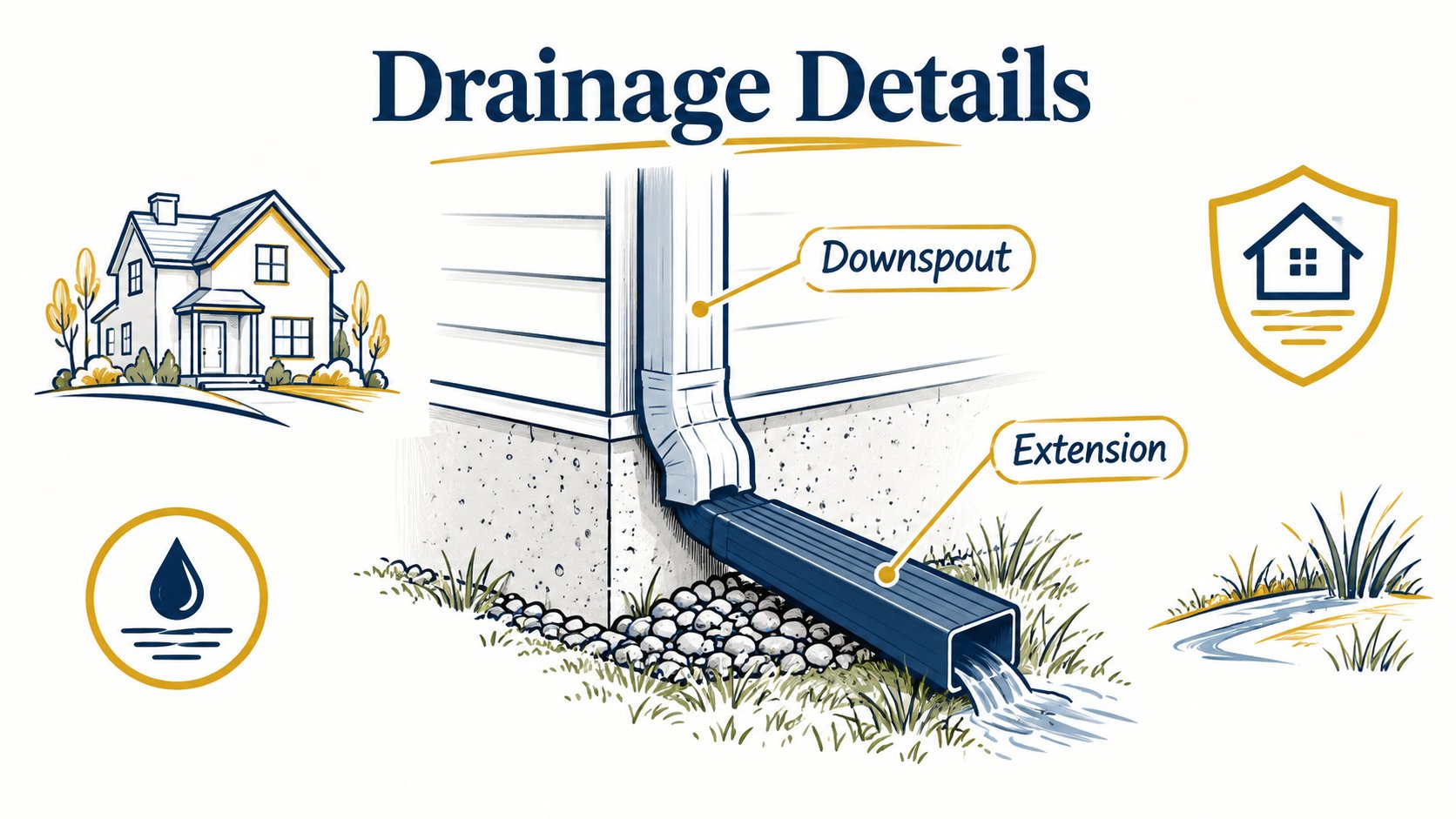
For a related local comparison, read the Shores of Crystal Beach buyer guide, then return to the parcel-specific quote. A home that looks affordable on price alone may carry a very different monthly obligation after flood, wind, deductibles, maintenance, and association costs are included.
Short-Term Rental Eligibility for Eastwood Homes
Short-term rental use is not automatic because a listing appears in Eastwood or because a property has been rented before. The City’s published ordinance defines this use as occupancy of a single-family dwelling for one day to no more than six months and requires registration. Review the City of Destin short-term rental ordinance together with the current registration requirements, the parcel’s zoning, and its recorded restrictions. These city rules do not establish permission for any particular Eastwood property.
For a dwelling where short-term rental use is allowed, the City’s FAQ describes an overnight limit of 2 adults per bedroom plus 4 additional persons, up to 24 people, applying from 10 p.m. to 7 a.m. The three-bedroom example is 10 people. Confirm the approved capacity for the actual home and any stricter applicable restrictions; this formula is not rental authorization. City of Destin occupancy FAQ.
Confirm the rules for the exact home
- Confirm the recorded restrictions. Pull the declaration, amendments, covenants, and any leasing language tied to the exact lot.
- Confirm association policy. If an association exists, obtain current written confirmation of permitted rental duration, registration, fees, parking, and enforcement.
- Complete the city process. Confirm zoning allows the proposed rental duration, then verify the current registration, any required use approval, and licensing steps with the City before operating.
- Calculate occupancy correctly. Confirm the approved overnight capacity and any stricter property restrictions for the actual dwelling.
- Check property-specific constraints. Review parking, construction-control limitations, insurance requirements, and any deed or title restrictions.
- Confirm permission in writing. Past rental activity, advertising, or seller statements don't prove that your intended use is allowed.
The city ordinance requires registration in accordance with the applicable article and a new application each year. The City of Destin short-term rental ordinance makes annual compliance part of the ownership plan.

Tax treatment is a separate question from rental permission. Discuss the intended ownership and use with your tax adviser; a leasing approval does not determine your tax treatment.
Property-specific rental permission must be established before relying on income, occupancy, revenue, ROI, or cash-flow assumptions. For a broader comparison of ownership structures, use the 2026 guide to Destin condos, but don't transfer condo rules to an Eastwood single-family parcel.
Inspections, Financing, and Resale Checks
A strong Eastwood offer connects inspection, insurance, financing, and resale analysis from the beginning. Older homes require more than a general walkthrough, and a lender may not approve a property after an insurer declines the roof, wind exposure, electrical condition, or flood coverage.
Start with the physical condition. Order a general inspection, wind mitigation review, roof assessment, HVAC evaluation, plumbing review, electrical inspection, sewer scope where applicable, and termite or WDO inspection. If the home has older wiring, previous additions, visible water intrusion, or storm repairs, make those issues central to the inspection period instead of treating them as minor punch-list items.
The offer framework
- Before the offer: Review the seller disclosure, permit history, tax record, legal description, and available insurance information.
- Immediately after acceptance: Order inspections and request the full insurance application or quote for the exact property.
- During underwriting: Give the lender the flood-zone information, elevation material, roof documentation, wind mitigation report, and repair history.
- Before contingency release: Confirm that coverage can be bound at terms you can afford and that the lender accepts the policy structure.
- Before closing: Review title, survey, easements, association documents, open permits, liens, and any pending assessments.
For resale, use comparable sales that match square footage, bedroom count, lot utility, condition, and recorded subdivision. Citywide days on market can frame the conversation, but they can't replace a close review of similar Eastwood homes. An online estimate can be misleading when few comparable properties share the same construction and renovation profile.
Association documents deserve the same attention as the inspection. Confirm current dues, maintenance duties, reserves, insurance obligations, litigation, rental restrictions, parking rules, and approval requirements. If no association is identified, verify that result through title and recorded documents rather than assuming there are no obligations.
Financing rule: A preapproval is not the same as a final property approval. The lender still needs acceptable insurance, title, appraisal, and condition evidence for the exact home.
Offer-to-Close Checklist
Combine your home comparison with a clear closing plan. Record each shortlisted listing’s status, price, days on market, and recorded subdivision information, and ask your agent to verify any reported concessions. Listing availability and property facts should be checked again when you are ready to make an offer.
Six decisions before you write
- Verify the parcel. Match the address, parcel number, legal description, lot, block, subdivision, zoning, and permitted residential use.
- Confirm flood and insurance. Obtain the FEMA classification, elevation information when available, flood quote, wind mitigation review, roof documentation, and written confirmation that the insurer can bind coverage.
- Review restrictions. Read recorded covenants, association documents, leasing rules, parking provisions, easements, and maintenance obligations.
- Build the financing file. Give the lender the insurance material, inspection findings, permits, and title information before removing financing protections.
- Inspect early. Schedule structural, roof, HVAC, electrical, plumbing, sewer, and WDO reviews early enough to negotiate repairs or credits.
- Protect the closing record. Keep title work, survey, disclosures, amendments, receipts, inspection reports, insurance documents, and lender conditions in one file.
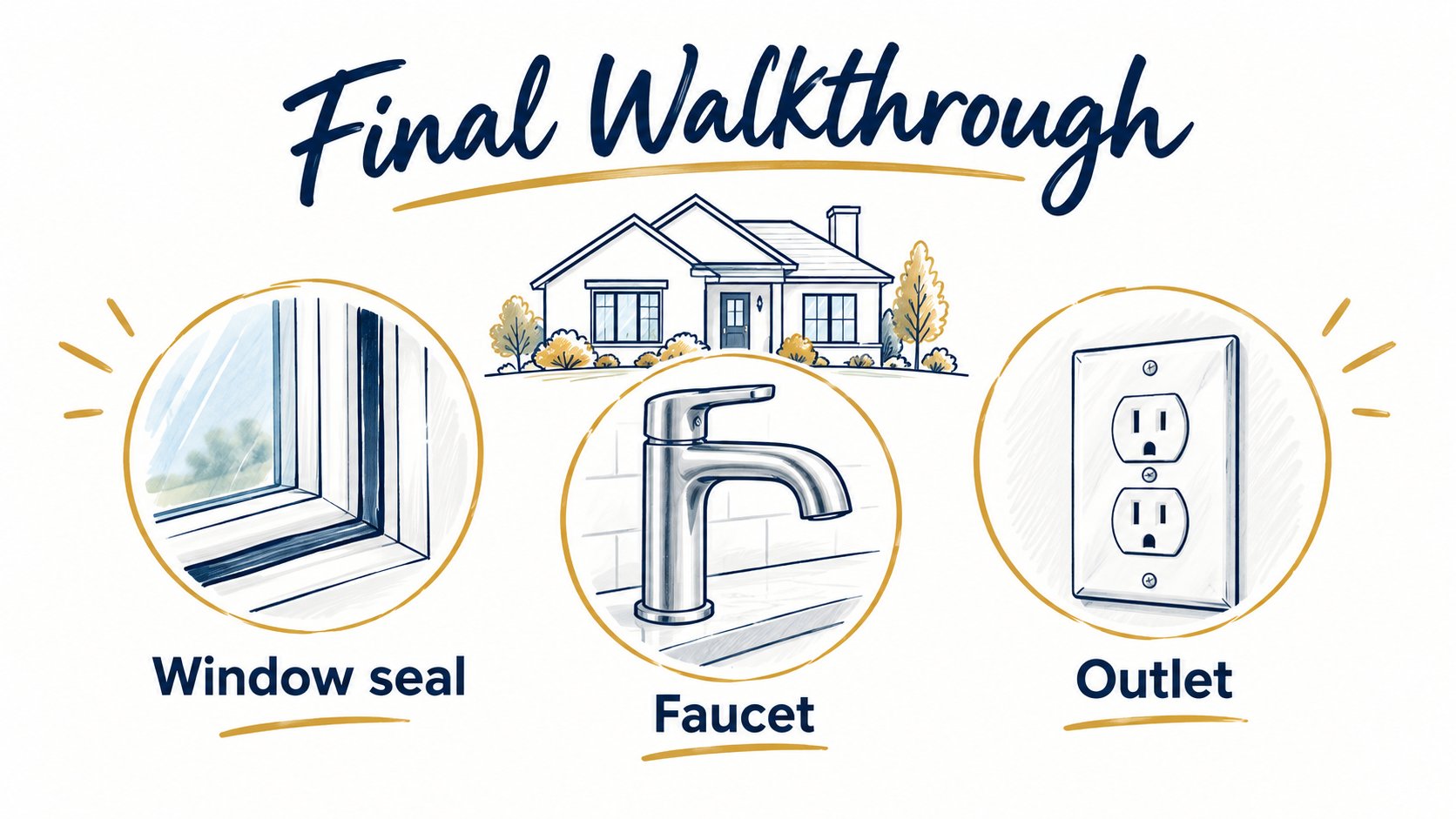
Discuss financing options with your lender and any ownership or tax questions with the appropriate adviser before committing. Cash buyers should still reserve funds for insurance, repairs, inspections, title work, and closing expenses.
Compare single-family homes with other single-family homes first. A condo or townhome can be an alternative purchase, but its ownership obligations and comparable-sale analysis may be different.
To review current availability, visit the Eastwood Destin listings search, then request a buyer consultation through Dream Destin Realty to verify the recorded subdivision, insurance stack, inspection findings, financing conditions, and permitted use for the exact home.
Dream Destin Realty provides MLS-powered search and buyer representation for Eastwood and other Emerald Coast communities, with property-specific review of records, association documents, insurance, inspections, financing, and current availability. Visit Dream Destin Realty before you offer, so your Eastwood purchase decision rests on verified parcel facts rather than a listing headline.


