
Investment Property Line of Credit Explained for Buyers
Learn how an investment property line of credit works, how lenders review applications, and what Destin buyers should verify before applying.

On this page
On this page
An investment property line of credit works much like a home equity line, except the property securing it is a rental or other non-owner-occupied home. You can borrow up to an approved limit, pay down all or part of the balance, and borrow again during the draw period. A line is not a rental permit, and it does not guarantee any rental income.
Table of Contents
- What an Investment Property Line of Credit Is and How It Works
- Key Terms at a Glance
- The Draw Period Comes First
- Interest Applies Only to What You Draw
- Completing Your Carrying Cost Worksheet
- Benefits and Risks to Weigh
- Common Misconceptions to Clear Up
- Borrowing Options Compared
- Three Stages of Review
- Documents You May Need
- Questions to Ask Before You Apply
- Local Rules Depend on the Exact Property
- Confirm Rental Use Before You Borrow
- Gather Building Records Early
- Frequently Asked Questions About Investment Property Lines
What an Investment Property Line of Credit Is and How It Works
Picture an investment property line of credit as a reserve tank with a fixed capacity. You pull from it when you need money, and you can never go past the approved limit. Once you pay some of it back, that space opens up again.
Home equity is the gap between what a property is worth and what you still owe on it. Because the line is secured by that equity, the property itself stands behind the debt.
A line of credit is only as flexible as the agreement behind it. The lender's written terms, not a general definition, decide how yours works.
Key Terms at a Glance
Three terms show up in nearly every line agreement, and each one changes what you actually pay and when.
| Term | Plain Meaning | What to Verify |
|---|---|---|
| Approved limit | Most you can owe at one time | Amount in your written approval |
| Draw period | Window for borrowing from the line | Length and payment rules in your agreement |
| Variable rate | Interest that can change over time | How and how often the rate adjusts |
Read these terms in the lender's paperwork before you apply, since that paperwork controls how the line behaves. For local context on rentals in Destin, Okaloosa County, see Destin real estate investing.

The Draw Period Comes First
The draw period is the window when you can pull money from the line, up to the approved limit. During this stage, many lines only ask for interest payments. The exact terms vary, so read your agreement closely.
Interest Applies Only to What You Draw
Interest is charged on the amount you have actually borrowed, not on the full limit. That difference matters. An unused line can still carry fees, such as an annual fee or an inactivity fee, depending on the plan.
Many lines carry a variable rate, which means your payment can shift over time.
Available credit is not the same as money you owe.
Once the draw period ends, the repayment period begins. The balance is generally repaid according to your written terms. Lenders can also freeze or lower your limit, for example if the property's value falls or your finances change, depending on the written agreement, so do not assume the line will stay the same size.
Completing Your Carrying Cost Worksheet
Carrying costs are the recurring expenses of owning a property, whether it is rented out or sitting empty. Use the blank worksheet below to record your own figures and due dates.
The rows cover insurance, property taxes, association dues, maintenance, and reserves. Seeing them side by side makes it easier to spot gaps before they turn into problems.
| Carrying Cost | Your Amount | How Often It Is Due | Where You Confirmed It |
|---|---|---|---|
| Insurance | |||
| Property taxes | |||
| Association dues | |||
| Maintenance | |||
| Reserves |
Draw and repayment terms differ from lender to lender, so check the written disclosures before you plan around any timeline.
Benefits and Risks to Weigh
An investment property line of credit can be a useful tool, but it comes with obligations that deserve as much attention as its benefits.
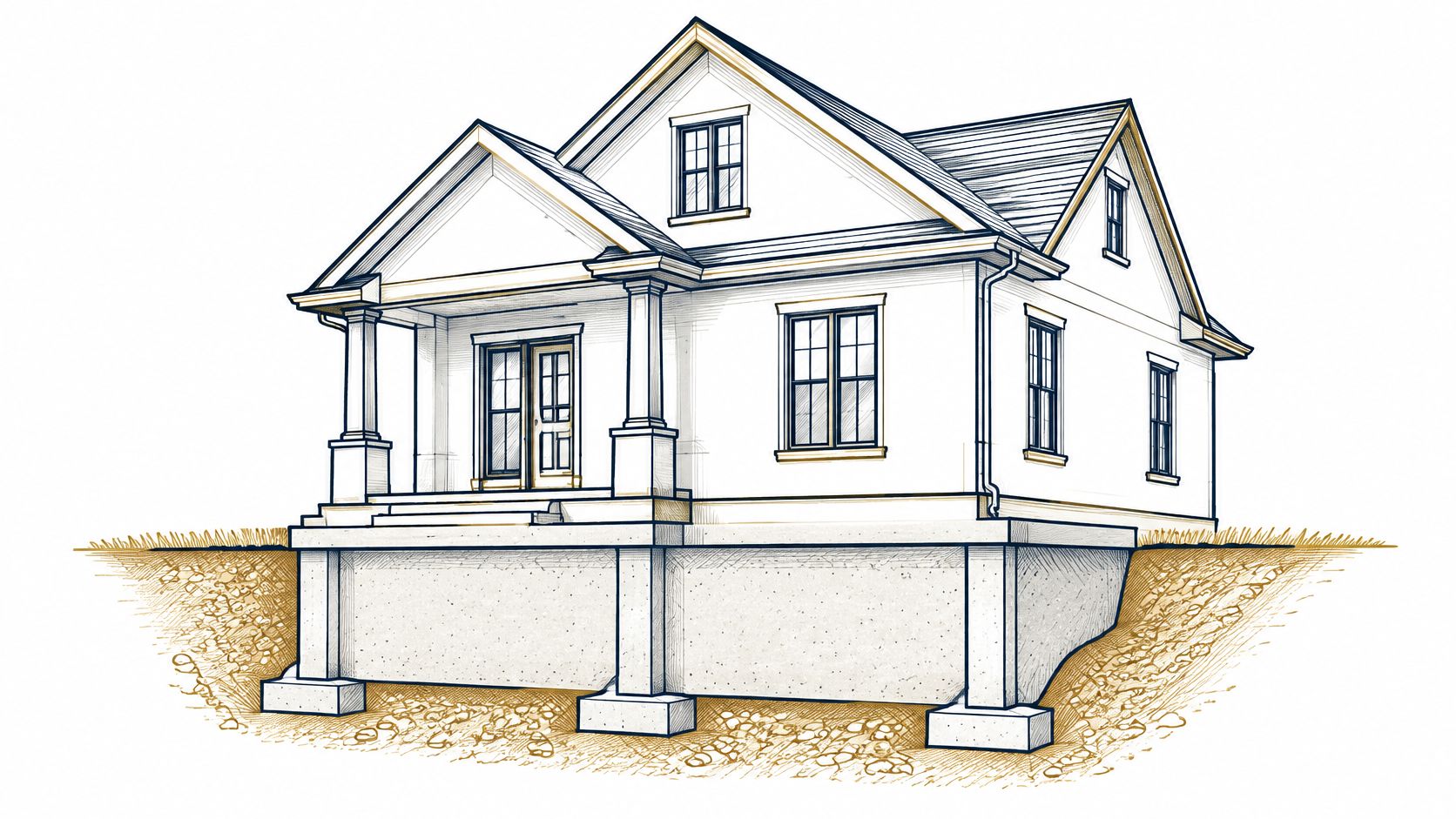
Flexible access is what most borrowers like about it. You draw only the money you need, up to the approved limit. Some lenders also let you use the funds for purchase or improvement costs, as long as the agreement allows it.
The risks are real, though. Your payment can rise if the rate is variable, the lender can reduce your limit, and you still owe the balance even if the property sits empty for months. Because the debt is secured, missed payments can put the property itself at risk.
A line gives you access to borrowing power. It does not guarantee that a property will make money.
Common Misconceptions to Clear Up
Before you borrow against a property, three misunderstandings tend to come up again and again.
- Home equity is not spendable cash. Equity is what the property is worth minus what you owe. You only reach it by borrowing against it.
- A line does not approve rental use. Whether you can rent the property depends on recorded declarations, association rules, and local requirements for that exact address.
- Market averages do not predict one property. A healthy trend in the area says little about how a single building will perform.
If you are considering a Destin property, start by reading the Destin condos for sale guide and checking each building's rental rules closely.
Seeing an investment property line of credit next to other borrowing options can make the choice clearer. The five options below differ mainly in how the debt is secured, how you get to the money, and what paperwork and timing you should expect.
Borrowing Options Compared
| Option | How It Is Secured | How Access Works | What to Confirm in Writing |
|---|---|---|---|
| Investment property line of credit | The rental property | Draw as needed, up to the limit | Limit, draw period, rate type |
| Cash-out refinance | The property, through a new first mortgage | Lump sum at closing | New rate, term, and closing terms |
| Closed-end second mortgage | The property, sitting behind your existing loan | Lump sum | Rate type and repayment schedule |
| Personal or unsecured loan | Often no property collateral | Usually a lump sum | Rate, term, and any collateral |
| Cash reserves | Your own savings | Immediate, but limited to what you have set aside | How much you can set aside |
A revolving line lets you draw in pieces as costs arrive, while a cash-out refinance or closed-end second mortgage pays out a lump sum. Some lines also carry an annual fee, a transaction fee or an inactivity fee, so check the fee list in the written disclosures.
Compare the written terms, not the product name. The rate, limit, and repayment schedule decide what each option will actually cost you.
Before you start comparing, ask yourself two questions:
- How will you use the money? A single purchase and a series of phased repairs often point to different structures.
- Do you need access over time? A line works well when costs arrive in pieces. A lump sum fits one known expense.
Timing can also make or break the decision. If a 1031 exchange is part of the plan, look closely at the 45-day and 180-day exchange deadlines. Then confirm the timeline with a qualified tax professional before you rely on it.

Lenders usually review your file in three stages. Once you know the order, the process feels less mysterious. Each stage checks different records, so you do not need to pull everything together on day one.
Three Stages of Review
Think of the lender's review like a home inspection that happens in layers. You start with the big picture and then zoom in on the details.
- Preliminary stage: The lender reviews your application and checks basic eligibility.
- Property stage: The lender looks at the specific building. That can include association records, insurance and existing liens.
- Final stage: You receive the closing documents and the written terms of the line.
The property stage is where most of the questions come up, and it is worth understanding why. Association records spell out the rules that apply to the building. Insurance records show whether the property carries the coverage a lender expects. Liens reveal what already has a claim on the property.
Key idea: The lender is also asking whether the property itself can support the line you want, as well as whether you qualify.
Requirements vary from one lender to another. There is no single minimum score or reserve amount that applies everywhere. Ask each lender to put their exact requirements in writing.
Documents You May Need
Here is a common list of records that come up during review:
- Association declarations and amendments
- Association rules
- Inspection reports
- Reserve information
- Insurance records
- Property tax and lien information
The exact list depends on the lender and the property. No universal rule says you must hand over everything before making an offer. Still, gathering these records early can save you a scramble later. If you are already working through your purchase, you can line this up alongside your home purchase due diligence checkpoints.
Questions to Ask Before You Apply
Before you submit anything, put a few direct questions to the lender:
- How is the rate set?
- How often is the credit limit reviewed?
- Which fees appear in the written disclosures?
Get the answers in writing. A clear, written record makes it much easier to compare lenders side by side.
Local Rules Depend on the Exact Property
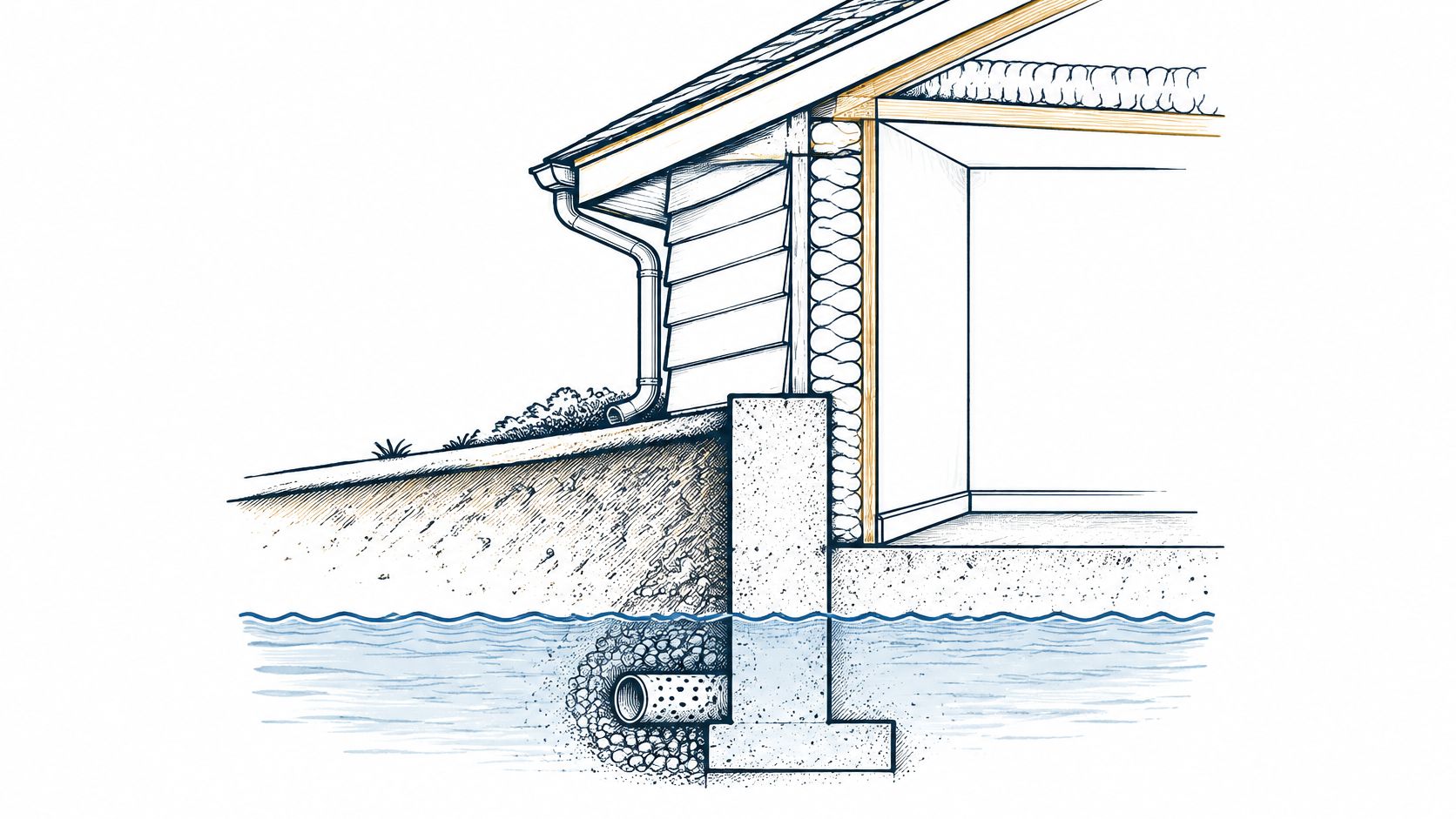
Local rules and property details can change how you use an investment property line of credit, so do not assume a plan that works for one property will work for another.
Before you count on any rental plan, check what applies to the exact property you are considering. Rental use usually depends on the recorded declarations and amendments, the association's rules, and local requirements. Confirm local requirements with the city or county office, and get the recorded declarations and current rules from the association, rather than trusting the listing.
Confirm Rental Use Before You Borrow
Marketing pages, MLS rental remarks, and badges are useful as research leads, but they do not prove a property is eligible. Think of them as a rough draft. You still need a separate, property-specific check before you rely on them.
Flood and insurance questions belong with a qualified insurance professional. They can review coverage for that specific property, which matters more than general advice about the area.
Want a wider view of buying in the area? You can compare Destin vacation condo options before you narrow your list.
Gather Building Records Early
A local real estate agent can help you collect building records during purchase due diligence. Ask for the documents that answer rental questions, such as:
- Association information
- Inspection reports
- Reserve details
- Rental rules
- Insurance information
Local differences should not be guessed at. Each property needs its own records and documents.
Read those records carefully. They will tell you more about rental use than the marketing description ever will.
Frequently Asked Questions About Investment Property Lines
How Do Draws and Repayment Work?
You can borrow up to your approved limit during the draw period, and interest is generally charged only on the amount you have drawn. Repayment follows the written terms you agree to, which vary by lender.
What Do Lenders Review?
Lenders typically review your application, the property records, and any existing liens against the property. Criteria differ by lender, so ask for them in writing.
How Is Rental Use Verified?
Read the recorded declarations and current association rules for the exact unit, and confirm local requirements with the city or county office. A credit line does not approve rental use; it only provides access to borrowing.
Does a Line Guarantee Rental Income?
No. A line gives you access to borrowing capacity, not income from the property, and any rent you collect depends on market conditions and how the property is managed.
For questions about your own situation, contact Dream Destin Realty through Dream Destin Realty's contact page.


