
Harbor Plantation Destin Condos Buyer Guide
Explore Harbor Plantation Destin condos at 724 Harbor Boulevard, association documents, ownership costs, insurance and unit-specific buyer questions.

On this page
On this page
Harbor Plantation is a Destin condominium associated with 724 Harbor Boulevard, Destin, Florida 32541. For buyers considering a home or second home here, the useful comparison goes beyond asking price: the exact residence, shared ownership obligations and intended use all shape the purchase. Harbor Plantation Condominium Owners Association, Inc. is active in Florida corporate records, and the address appears in Okaloosa County site-address records.
Buyers searching for Harbor Plantation Destin condos can compare the residence's layout and condition with their personal-use plans, then weigh documented association costs, insurance and financing. This guide organizes the questions to ask before an offer becomes a commitment, without treating marketing descriptions as ownership rights.
Table of Contents
- Harbor Plantation at 724 Harbor Boulevard
- How Shared Association Costs Affect the Purchase
- The Condominium Document Matrix Every Buyer Needs
- Structural Reserves and Milestone Inspection Questions
- Insurance and Flood Diligence for the Exact Residence
- Realistic Carrying Costs and Unit Tax Records
- Rental Use Rules and How to Verify Them Properly
- Comparing Association Scale and Shared Obligations
- Your Offer-Stage Verification Sequence
- Quick Reference and Next Steps
Harbor Plantation at 724 Harbor Boulevard
Start with the residence at 724 Harbor Boulevard and the ownership interests that transfer with it. The current association identity and county address records identify the Destin location. They do not establish legal waterfront boundaries, a view, dock access or amenity entitlement.
A building's construction date, floor count, unit mix and parcel dimensions should be matched to official property and recorded condominium documents. The association's 1999 corporate formation date is not a construction date. Request the exact unit's legal description, recorded declaration and amendments, current floor plan and inspection evidence before relying on advertised physical details.
Keep the evidence categories separate. Association records establish the corporation and its relationship to the property. Property records address physical characteristics. The declaration and amendments control unit boundaries, common elements, parking, storage, docks, leasing, voting, and expense allocations. Those documents form the matrix a buyer, lender, and closing attorney will use to test what the listing describes.
A condominium purchase leaves little room for assumptions. A buyer should request the current declaration, amendments, budgets, meeting minutes, insurance documents, reserve information, inspection reports, and unit-specific tax history before treating the asking price as the full cost of ownership.
Practical rule: Start with the association name and address, then verify every claimed right and expense in current governing and property documents.
An advertised water view or access benefit belongs in the comparison only after it is verified for the exact unit. Value also depends on the association's records, physical condition, insurance position and ability to fund shared obligations. Compare the underlying documents, not only photographs and asking prices.
How Shared Association Costs Affect the Purchase
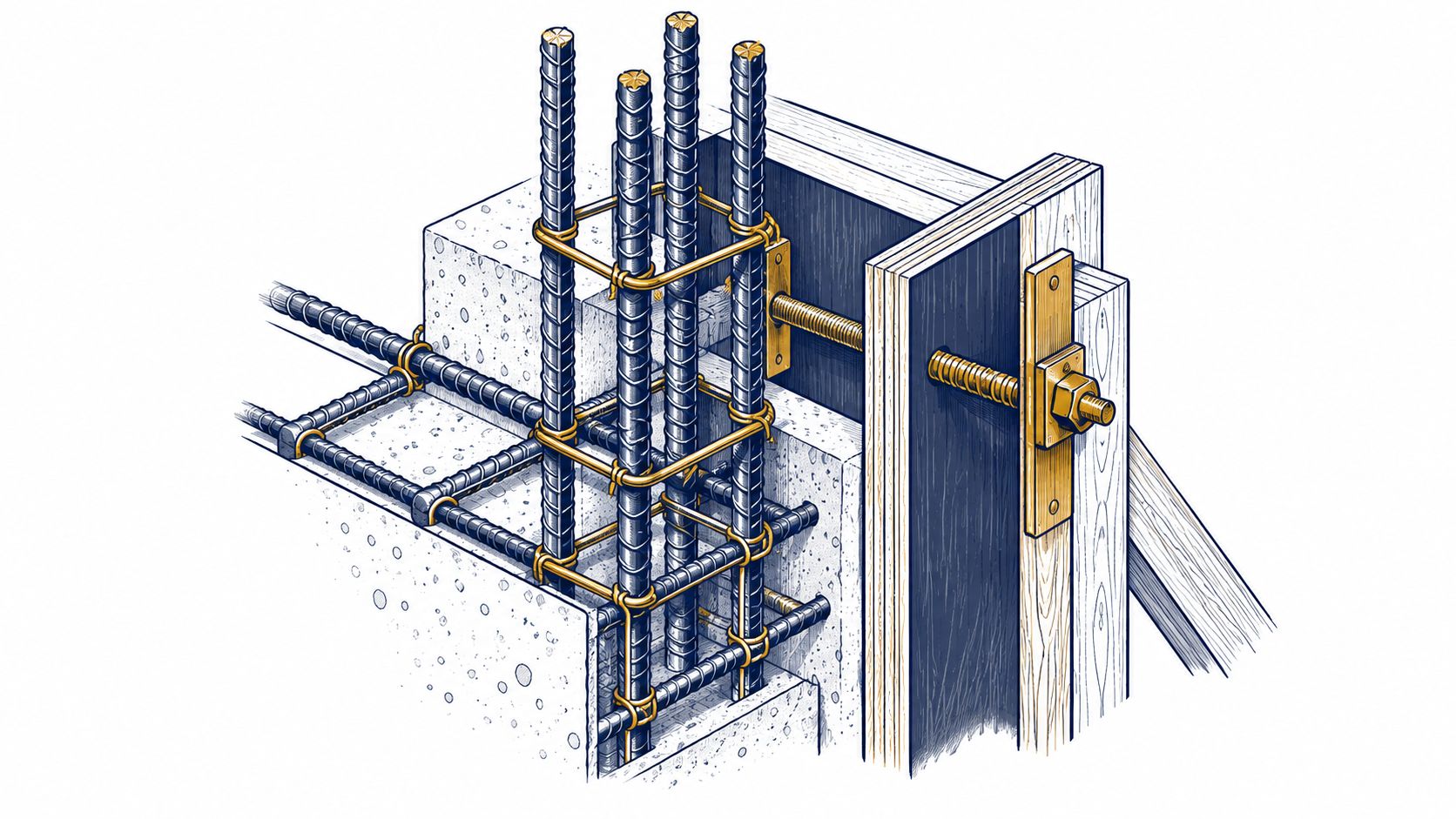
Every shared repair deserves an ownership-cost review. The recorded allocation of expenses determines each unit's share of applicable roof, structural, drainage, insurance or code-compliance obligations. The asking price alone does not show that exposure.
Association scale can affect budgeting and decision-making. Okaloosa County's condominium roll lists 6 units under Harbor Plantation, built in 1999; this guide does not establish its facilities. If a listing advertises a dock, boat slip, pool, elevator, fitness area or storage, request the supporting rights, maintenance assignment and current budget before including that feature in the purchase comparison.
How the exposure appears in a file
Low monthly dues do not, by themselves, establish sound management. They can reflect strong reserves, recently completed capital work, deferred maintenance, or a budget that has not yet captured the next major obligation. Review the current budget beside reserve balances, prior assessments, board minutes, engineering reports, insurance renewals, and invoices.
For any claimed capital improvement, request permits when applicable, engineering reports, contracts, paid invoices, completion records and warranties. Verify the scope, date, funding and any remaining obligation. This guide does not establish a project value, roof service life or completion status for Harbor Plantation.
The practical comparison is funded obligations versus unfunded obligations, using the expense allocation in the declaration rather than an assumed equal division. The separate Harbor Landing building page offers a comparison with another Destin condominium; its records do not establish Harbor Plantation's costs. Harbor Plantation's own books, minutes, assessments and project records determine the actual exposure.
The Condominium Document Matrix Every Buyer Needs
A buyer's file should identify the document, the person or agency responsible for producing it, and the contract question it answers. Florida's condominium framework appears in Chapter 718 of the Florida Statutes, while the state's condominium purchasing guidance gives consumers a useful foundation for document review.
| Record | What It Controls | Where to Obtain It | Contract Question Answered |
|---|---|---|---|
| Declaration and amendments | Legal description, unit boundaries, limited common elements, use rights | Association, management company, county recording office, seller's disclosure package | Does the legal unit match the listing, and are claimed rights actually attached to the unit? |
| Bylaws and rules | Association powers, meetings, pets, occupancy, parking, storage, leasing, conduct | Association or management company | Can the buyer use the unit as intended, and are approvals or restrictions involved? |
| Current budget and financial statements | Operating expenses, income, reserve allocations, unpaid obligations | Association or management company | Does the monthly cost reflect the building's actual obligations? |
| Reserve balances and assessment history | Funding for major components, prior owner charges, assessment patterns | Association, management company, board records | Are there current or anticipated charges that affect affordability? |
| Board minutes | Pending projects, disputes, owner concerns, insurance issues, enforcement | Association or management company | Has the board discussed a problem that isn't visible in the listing? |
| Engineering and structural records | Inspections, repair recommendations, warranties, permits, completion status | Association, engineer, management company, public permitting records | Are reported projects complete, documented, and acceptable to the lender? |
| Master insurance declarations | Covered property, deductibles, exclusions, claims history, renewal terms | Association, management company, insurance agent | Can the association obtain required coverage, and what remains with the unit owner? |
| Litigation and violation disclosures | Claims, lawsuits, unresolved violations, enforcement matters | Association, seller, association counsel when appropriate | Could an active dispute affect financing, ownership, or future assessments? |
| Parking, storage, dock, and slip records | Assigned spaces, limited common elements, transfer rights, maintenance | Declaration, amendments, association records, seller | Does the advertised privilege transfer with the unit? |
| Transfer and approval procedures | Application requirements, fees, review periods, closing conditions | Association or management company | Could an approval process add time or prevent closing on the desired schedule? |
How to use the matrix
Request the declaration and amendments early because they establish the legal structure. Ask the seller to identify every claimed parking space, storage area, dock privilege, and boat slip, then match each claim to the recorded documents or a current association record.
The association or its management company should provide the current budget, financial statements, reserve information, assessment history, minutes, rules, insurance declarations, and approval procedures. The county recording office is the right place to verify recorded instruments, while engineers, insurers, and permitting authorities may hold supporting technical records.
A buyer shouldn't let a short inspection period become an excuse for a shallow review. The broader principle is simple: the purchase contract should give the buyer enough time to determine whether the physical unit, legal rights, association finances, and closing requirements align.
Structural Reserves and Milestone Inspection Questions
Determine which reserve and inspection obligations apply to the actual building, using official construction records and the responsible local authority. Do not substitute the association's formation date for a certificate of occupancy or assume statutory applicability from marketing descriptions. Ask the association and qualified counsel to confirm the requirements and current compliance evidence.
Florida Statutes section 718.112 addresses structural-integrity reserve studies and association funding rules; the separate milestone-inspection framework in section 553.899 addresses qualifying buildings and inspections. These are different requirements with applicability conditions and exceptions. Obtain matching reports and the association's documented funding plan; this guide does not certify Harbor Plantation's status.

Questions that belong in writing
Ask the association for the latest structural-integrity reserve study, milestone-inspection records when applicable, engineering reports, repair recommendations, board responses, and evidence of completed work. Then ask the questions that turn a technical report into a purchase decision:
- Which structural or life-safety components were inspected?
- Were deficiencies identified, and how were they classified?
- Which recommended repairs are complete?
- What remains unfunded?
- Have owners approved or discussed a special assessment?
- Are reserve contributions being made as required?
- Do the association's insurance and lender documents reflect the current condition?
A low fee can look attractive until mandatory reserve funding increases. A lower asking price can also lose its appeal if the buyer must assume a pending assessment, higher insurance burden, or lender-required repair. Those are not abstract concerns. The declaration's expense allocation, not an assumed residence count, determines the unit's exposure.
A lender may ask for more than a budget. Reserve funding, inspection findings, insurance terms, and evidence of completed repairs can affect the financing decision even when the unit itself appears well maintained.
Insurance and Flood Diligence for the Exact Residence
Condominium ownership requires layered insurance review. Start with the association's master policy, declarations, deductibles, exclusions, renewal terms, and disclosed claims history. Then obtain a unit-specific HO-6 quote that explains what the master policy doesn't cover, including interior finishes, personal property, loss assessment exposure, and other unit-owner responsibilities.
The file should also include a current FEMA map determination and the building's elevation certificate if available. Ask the responsible floodplain authority and insurance professional to explain the actual address's requirements; do not infer a flood zone, elevation or reconstruction obligation from a waterfront description.

Assemble the file before financing is final
Request the association's insurance declarations during the contract review period, not after the lender has completed underwriting. Ask the insurance agent to explain the wind, flood, property, liability, and deductible layers in plain terms. The buyer's insurer should quote the HO-6 policy against the actual unit and association coverage, not a generic condominium profile.
If impact-resistant windows or doors are advertised, verify the installed products, permits and inspection evidence for the exact unit. A claimed elevation or bluff setting is not a substitute for a map determination, elevation documentation, engineering review or policy analysis. This guide does not certify those features at Harbor Plantation.
Use the Gulf-front condo buying checklist for general inspection questions, not as evidence that Harbor Plantation is Gulf-front. Inspect both the unit and the building-level risk records. The right question is not only whether the building has insurance. It is whether the coverage, deductibles, exclusions, and owner policy fit the actual obligations created by the association documents.
Realistic Carrying Costs and Unit Tax Records
A Harbor Plantation ownership budget starts with the tax record for the exact residence, not a neighborhood average or an anonymous unit's history. Obtain the current official parcel record and tax bill. This guide provides no unit-specific tax amount or size estimate; the records must match the residence under contract.
Recreate the review for the residence under contract. Match the parcel and unit number, confirm the tax year, check exemptions and assessed value, and identify changes that could affect the next bill. A prior tax bill is evidence of past cost, not a promise about the buyer's future obligation. It also should not be substituted with the tax history of a neighboring unit.
Build the ownership budget in layers
Begin with the unit's tax record. Add current association dues, the HO-6 premium, utilities excluded from the association budget, routine maintenance, and any documented reserve contribution or assessment obligation. If the unit includes a boat slip, storage area, or another limited common element, verify separate maintenance, insurance, transfer, or usage costs.
The association budget deserves the same scrutiny as the tax bill. Under the recorded expense allocation, each owner's share of a project can be material even when recurring dues appear manageable. Higher dues may reflect deliberate reserve funding, while lower dues may leave owners exposed to assessments. The budget, financial statements, reserve records, and assessment history show which explanation applies.
Use unit-specific records, not market averages. The tax bill provides a measurable starting point. The ownership cost becomes reliable only after the buyer matches association dues, reserves, assessments, and unit obligations against the governing documents.
For an out-of-state buyer, this layered worksheet makes the asking price easier to test against financing and available cash. It also separates recurring expenses from occasional capital demands. That distinction matters in a condominium association, where one building project can affect every owner and where lender review may focus on both present dues and documented future obligations.
Rental Use Rules and How to Verify Them Properly
A rental advertisement doesn't prove that a Harbor Plantation unit may be rented. Neither does an MLS remark, a past rental history, or a manager's marketing statement. The controlling evidence is the current declaration and amendments, the association's current leasing rules or written confirmation from the association or management company, and the applicable City of Destin and county requirements.
Dream Destin Realty's review does not mark Harbor Plantation as short-term rental eligible, so treat it as a primary or second home rather than a vacation rental investment. Before relying on leasing, request written confirmation that states whether it is permitted, what duration is allowed, whether approval is required, whether restrictions vary by unit and whether any grandfathered provision applies. No rental benchmark or projected income is provided.
Confirm the government requirements separately
The City of Destin's current short-term-rental information is available through its official short-term rental page. Check zoning, registration, business licensing, occupancy, taxation, and minimum-stay requirements for the intended use. A city requirement doesn't override a condominium restriction, and a condominium permission doesn't eliminate a government requirement.
Keep the request inside the contract timeline. If the association's documents are missing, conflicting, or silent, ask the association or its management company for a dated written response before waiving the relevant contingency. Until the permission and government requirements are confirmed for the exact unit and intended duration, rental income doesn't belong in the value calculation.
That approach may produce a less exciting spreadsheet, but it protects the purchase from a common mistake: paying for a rental strategy that the building's documents don't permit.
Comparing Association Scale and Shared Obligations
Compare association governance, shared costs, recorded rights and common-element condition, not merely a boutique or resort label. The following comparison describes general organizational differences; it does not establish Harbor Plantation's amenities or inventory.
| Ownership factor | Boutique harbor building | Large resort-style project |
|---|---|---|
| Governance | A small owner group may handle decisions more directly, subject to the governing documents | A larger membership and management structure may support more formal operations |
| Cost sharing | Roof, elevator, dock, retaining wall, and insurance costs are divided among fewer ownership interests | Major expenses are distributed across a larger owner base |
| Maintenance exposure | One major repair or insurance change can affect each owner materially | Costs may be spread more widely, although more systems require ongoing maintenance |
| Lifestyle structure | The building may provide a lower-density harbor setting | The project may offer a broader amenity program with more operational complexity |
| Inventory | Fewer residences can mean fewer comparable sales and less frequent turnover | Larger projects may provide more recurring resale inventory and unit positions |
| Document review | Unit-specific rights and association records carry substantial weight | The same records matter, with different budgeting and management patterns |
A smaller association does not automatically mean lower ownership cost, and a larger one does not guarantee stronger reserves. Review the budget, reserve balances, assessment history, meeting minutes and engineering records. Apply the exact recorded allocation before treating scale as an advantage.
Match the comparison to the legal file
A dock or boat slip has value only when the declaration, amendment, assignment, or current association records establish the buyer's right to use it. A harbor view is a physical feature, not a promise that visibility will remain unchanged. Pool or fitness access also requires review of maintenance responsibility, insurance treatment, operating costs, and current condition.
The governing documents should answer who owns each limited common element, who maintains it, who pays for repairs, and whether the right transfers with the unit. Those answers can change the practical value of a unit more than a marketing description.
Buyers comparing building types can use the broader Destin condo search or comparison resource to review other inventory. Use that wider comparison to assess location, building scale, restrictions, resale activity, and association records. For Harbor Plantation, the acquisition decision still rests on the association's records and the obligations attached to the specific unit.
Your Offer-Stage Verification Sequence
The strongest Harbor Plantation purchase file is assembled in sequence, with each request tied to a contract deadline.
- Before writing the offer, request the core records. Ask for the declaration and amendments, bylaws, current rules, budget, financial statements, reserve balances, assessment history, board minutes, inspection records, engineering reports, insurance declarations, litigation disclosures, and pending-project information. If the seller or association can't produce them promptly, build that uncertainty into the offer terms.
- During document review, test the legal description. Match the unit number, boundaries, limited common elements, parking, storage, dock rights, and boat-slip information against the recorded documents. Don't rely on a floor plan, photograph, or listing remark to establish ownership.
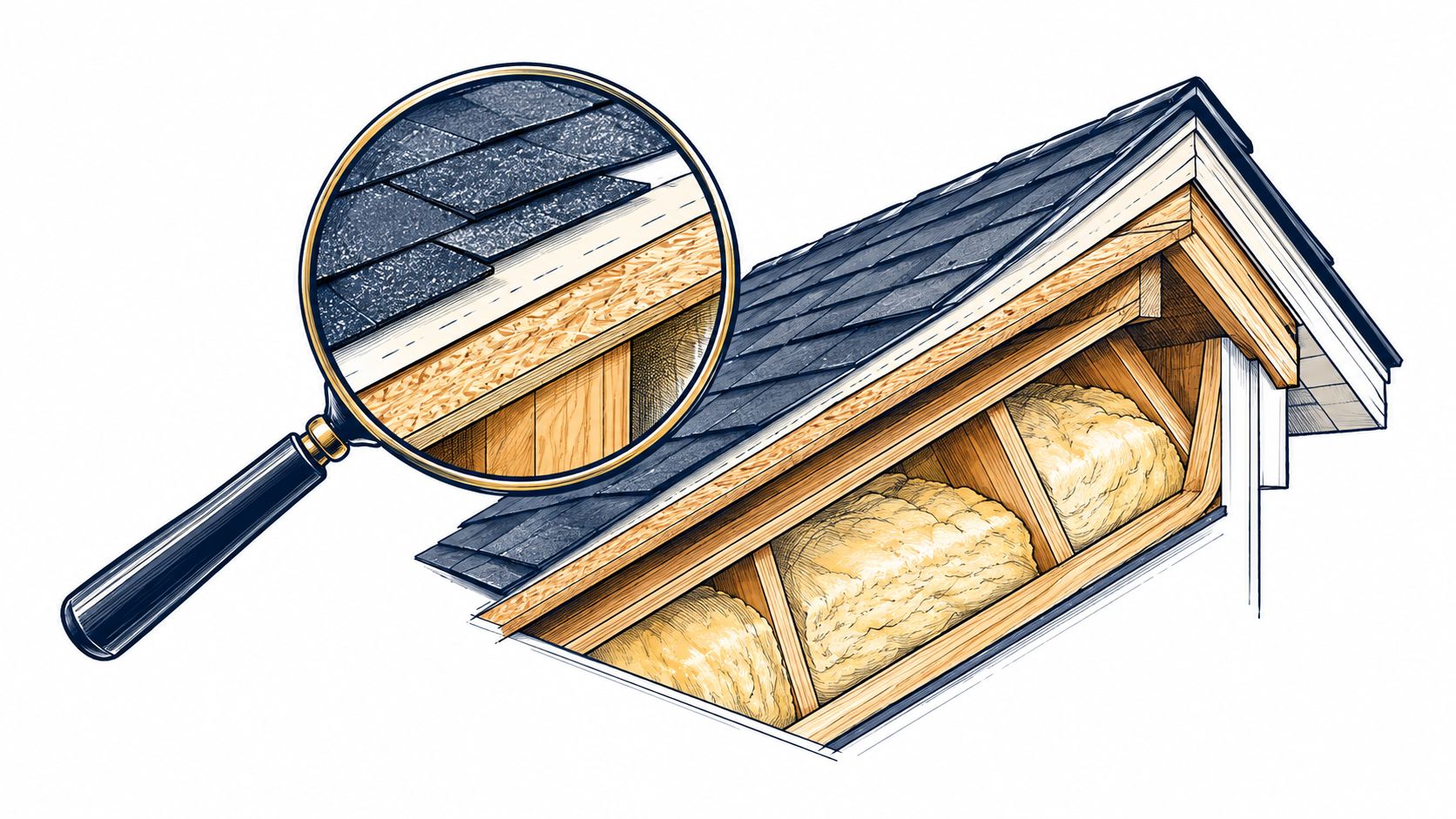
- During inspection, expand beyond the unit. Review applicable roof, structural, drainage, window, door and other shared components through engineering records and available reports; confirm which facilities are actually present and owned. Verify permits, completion dates, paid invoices, warranties, and funding sources for reported capital work.
- Before waiving contingencies, complete the risk file. Obtain the elevation certificate if available, current FEMA map determination, master-policy terms, deductibles, claims information, and an HO-6 quote. Ask the lender how reserve funding, inspection findings, insurance coverage, and any assessment could affect approval.
- Confirm intended use in writing. If leasing matters, secure current association confirmation for the exact unit and duration, then check the City's requirements. If the evidence is missing or contradictory, renegotiate the contract, extend the review period, or walk away rather than underwrite an unverified use.
Quick Reference and Next Steps
| Buyer question | Record to request | Deadline protected |
|---|---|---|
| What exactly am I buying? | Declaration, amendments, recorded legal description | Document-review period |
| Who pays for shared components? | Declaration, bylaws, budget, rules | Inspection and financial-review period |
| Could an assessment be pending? | Reserve records, assessment history, board minutes | Financial contingency |
| Can the building be insured and financed? | Inspection records, reserve study when applicable, master policy | Insurance and financing deadlines |
| Does a dock, slip, parking space, or storage area transfer? | Recorded documents and current association records | Before closing |
| Can I lease the unit? | Current declaration, leasing rules, written association confirmation, government requirements | Before relying on rental use |
| What will ownership cost? | Unit tax record, dues, insurance quote, maintenance and assessment information | Budget and financing review |
The verified association identity and 724 Harbor Boulevard address identify the Destin property being considered. Current unit and association documents must establish the rights, restrictions, costs, reserves, assessments, insurance, inspections and permitted use that shape the purchase.
For a Harbor Plantation purchase or a comparison with other Destin condominiums, arrange a consultation through the Dream Destin Realty contact page so the building file and unit records are reviewed before your contract deadlines narrow your options.
Dream Destin Realty helps buyers evaluate Destin condominiums through building-level association research, unit-specific document review, insurance and inspection questions, and help requesting the association's written leasing rules when leasing is part of the plan. Visit Dream Destin Realty to discuss Harbor Plantation, other Destin condos, and the records that should shape your offer. To compare Harbor Plantation with other Destin condominium communities, see the Destin condos for sale guide.


