
How Homebuyers Can Verify Closing Wire Instructions Safely
How Homebuyers Can Verify Closing Wire Instructions Safely. Call a trusted number, question every change, and act fast if funds go to the wrong account.

On this page
On this page
Who would you call if a revised wire form landed in your inbox the afternoon before closing? The safe answer is a phone number for your title or closing agent that you saved before closing week, while nothing was urgent.
Confirm the account name and number through that saved contact. Treat every emailed instruction, and especially every change, as unverified until the person you already trust confirms it. An email can say the account, deadline or bank name shifted. Your saved contact is the control you set up in advance.
If your best number lives only inside the latest email, pause. The steps below build the contact list first, then use it to test each instruction and each familiar looking message before any money moves.
Table of Contents
- How Do Scammers Get Fake Closing Wire Instructions
- Who Should You Verify With Before Closing Week
- How to Verify Closing Wire Instructions Step by Step
- What to Do When Instructions Change by Email
- What to Do If Money Went to the Wrong Account
- Save Your Closing Agent's Phone Number Today
- Common Questions About Closing Wire Instructions
How Do Scammers Get Fake Closing Wire Instructions
The scam unfolds in three moves. A criminal gains access to, or imitates, the email account of a real estate agent, settlement agent or attorney. That person watches the thread for a closing date. Then they send wiring instructions, or a late change to instructions already sent, from an address built to look like the authentic one.
The Consumer Financial Protection Bureau advisory on mortgage closing scams describes this pattern directly. It is an archived page dated June 3, 2019, so read it for the method rather than as a live update. The FBI's Internet Crime Complaint Center page on business email compromise covers the same impersonation technique, where a compromised account gets used to redirect a payment.
A closing in Destin or elsewhere in Okaloosa County moves money the same way a closing does in Miramar Beach or Santa Rosa Beach in Walton County, Florida. The steps here come from federal consumer guidance, not from a local rule, so a buyer can apply them in any of those places.
Why timing matters: the fake message lands when a buyer is expecting a real one, which is why the instructions feel routine.
Who Should You Verify With Before Closing Week
Line up two people before any funds are due: your title or closing agent, and a second person. Write down each name, role and primary phone number.
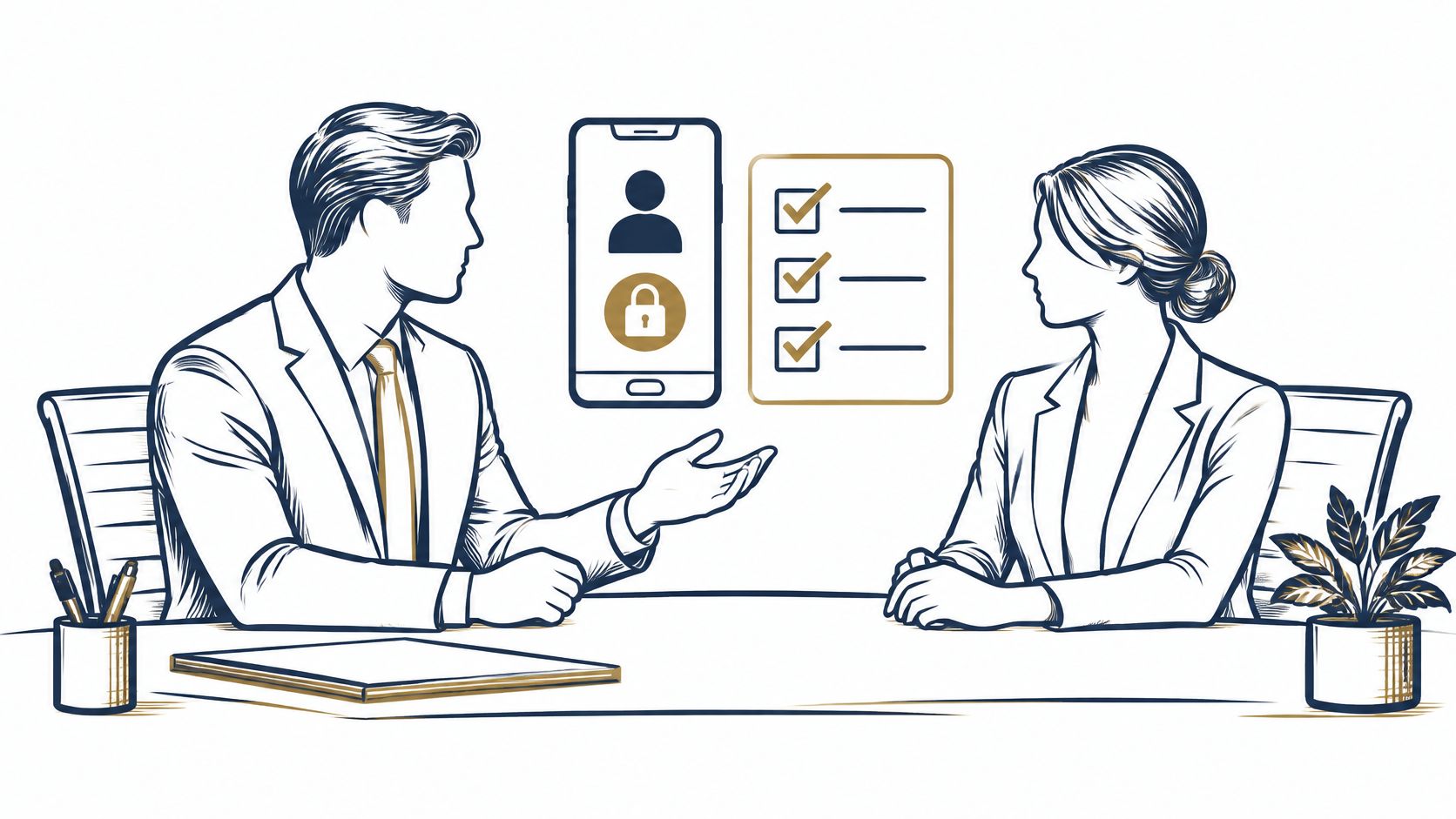
Agree, in person or by phone, on how the money will move and when. Ask what the process looks like from their side, and ask early, while the file is still open and nobody is rushing. The CFPB's guide to the closing process explains what closing involves, which makes that conversation sharper.
Pick a code phrase that only you and those two contacts know. It costs nothing and gives a later message something to match against. A remote purchase makes this setup load-bearing, because you may never stand across a table from the person handling the money. Treat buying a house sight unseen as a signal to slow the payment steps down. The wider sequence sits in Dream Destin Realty's buyer timeline.
How to Verify Closing Wire Instructions Step by Step
Verifying closing wire instructions safely comes down to one routine, run in the same order every time.
- Match the amount to a figure you already have. Compare the number you expect to send against the figure your closing agent or lender gave you, and see Dream Destin Realty's buyer guide for where the cash to close figure comes from. This check sets the baseline; it does not replace the call in step 3.
- Stop before you send. Do not reply to the email and do not click links inside it.
- Call your saved contact. Use the phone number you previously agreed to, not a number printed in the message.
- Read the details back out loud. Confirm the account name and the account number by phone or in person. Do not email bank details to anyone, including a person who seems to be helping.
- Check the sender's address against the person it claims to be. The FBI's Internet Crime Complaint Center guidance adds: use a separate channel to verify any request to change account information.
- Watch for an unexpected caller. If someone phones asking you to verify personal or financial details, dial your saved number instead, as the CFPB advisory describes.
- Use your code phrase, if you set one.
- Send only after every detail matches, then keep the confirmation.
The money itself covers the down payment and closing costs, which is a separate question from whether the destination is correct. A matching address alone never completes the check.
What to Do When Instructions Change by Email
A familiar name proves nothing. The CFPB advisory notes that scammers can closely replicate an email address, a phone number and the format of a real exchange, so a message that looks ordinary can still be false. A change to instructions is not a paperwork update until a saved contact says it is.
Situations That Need an Independent Check
| Situation | Action Before Sending Money | Contact to Use |
|---|---|---|
| Account number changed by email | Stop and do not send until the change is confirmed | Your saved closing agent number |
| Familiar address and format with new details | Treat the familiar look as no proof and verify anyway | Your saved closing agent number |
| Caller asks you to confirm personal or financial details | End the call without sharing details | Your saved number, dialed fresh |
| Message asks you to resend funds or pay a second account | Treat it as a new fraud signal | Your saved closing agent number, not the message |
| Agent appears with a new phone number | Do not use the new number | The phone number you previously agreed to |
The rule for a change: the money waits until your saved contact confirms it, and the new message is never a source of phone numbers.
What to Do If Money Went to the Wrong Account
Speed is the whole response. Reporting the fraud quickly can improve the chances of recovery, per the CFPB advisory, though no one can promise the money comes back.
- Call the bank that sent the wire now and report a suspected fraud on the outgoing transfer. Ask the bank to pull the money back or reverse it while you are on the phone.
- Ask about the recall paperwork. The FBI's Internet Crime Complaint Center guidance names a Hold Harmless Letter or Letter of Indemnity as part of its steps, so ask whether your bank will issue one.
- File a detailed complaint with the FBI's Internet Crime Complaint Center.
- Consider a complaint to the CFPB, which its page explaining wire transfers lists as an option for consumers.
- Notify your closing agent and lender using the numbers you saved in advance, not the suspect email, so they can check the file and the closing date.
- Save the evidence: the suspect message and its headers, the time, the amount, the account details you were given and your wire receipt.
Checking before you send remains the stronger protection, because a recall cannot be promised. Your own title or closing agent, lender and bank confirm the payment process and any recall for your transaction.
Save Your Closing Agent's Phone Number Today
Do this before any wire email arrives, so the check is already in place when a change request shows up.
- Save the verified number in your phone under a label you will recognize fast.
- Ask your closing agent, lender and bank to walk through the payment process before closing week, so the first real conversation about the wire is not the one that arrives under pressure.
- If the saved number reaches voicemail on closing day, hold the wire until a person confirms the instructions.
Buyers with questions about their closing timeline can Contact Dream Destin Realty directly.
Common Questions About Closing Wire Instructions
Dream Destin Realty's guide to Florida closing costs covers what the funds themselves pay for.
When should a buyer establish trusted closing contacts?
Before any wire instructions arrive. The Consumer Financial Protection Bureau's Mortgage Closing Scams guidance recommends discussing the transfer process in advance so later messages can be checked through a trusted channel. A contact list built early is the one that holds up under pressure.
Can a familiar-looking email address establish that instructions are genuine?
No. Instructions count only when a previously verified contact confirms them by phone or in person.


