
How to Compare Emerald Coast Condo HOA Fees Fairly in 2026
How to Compare Emerald Coast Condo HOA Fees Fairly: a checklist covering inclusions, owner costs, reserves, insurance, and assessments.

On this page
On this page
Choosing the condo with the lowest monthly HOA fee isn't a fair cost comparison. To compare Emerald Coast condo HOA fees fairly, match what each fee includes, identify costs paid separately, and check the dates and billing periods behind the figures. A higher fee can cover expenses that another association leaves to individual owners.
Use the same approach for condominium searches in Destin, Miramar Beach, and Santa Rosa Beach. Keep documented charges, estimated owner expenses, and unresolved responsibilities separate. Combining them too early makes a neat total look more certain than the records support.
Table of Contents
- 1. What does the regular association fee actually cover?
- 2. Which costs would you pay outside the association fee?
- 3. Who maintains each building component, and who pays?
- 4. How should you compare insurance responsibilities?
- 5. How do regular dues differ from special assessments?
- 6. What do the budget and reserve records actually prove?
- 7. Are the records current and measured on the same basis?
- What belongs in a blank fee-comparison worksheet?
- How do you turn the checks into a fair comparison?
- Frequently asked questions
1. What does the regular association fee actually cover?
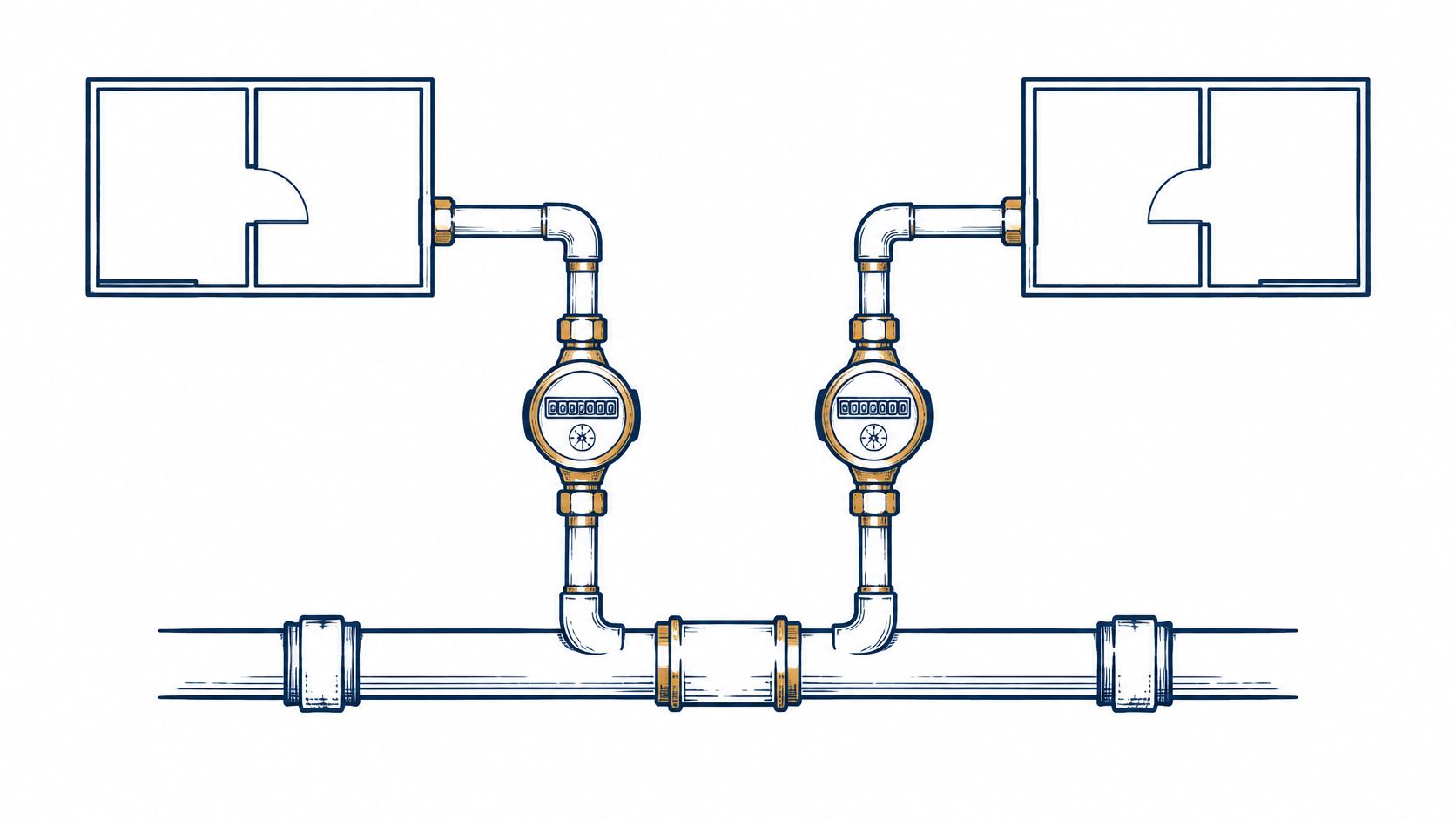
Start with an expense inclusion map, not the advertised amount. List water, sewer, trash, landscaping, pool maintenance, elevator service, management, shared utilities, and association insurance, then mark each as included, partly included, excluded, or unresolved.
Florida's condominium budget provisions, in the 2026 Florida Statutes, organize operating expenses and reserves. Use that framework without assuming every condominium provides the same services; the property's current records must establish its actual inclusions.
- Record the evidence: Note the budget page, document date, and applicable unit.
- Define partial coverage: Distinguish common-area electricity from electricity used inside the unit.
- Leave uncertainty visible: An omitted line isn't proof that a service is free.
Use Jade East condos for sale as a property-search starting point, not evidence of any particular inclusion.
2. Which costs would you pay outside the association fee?
Create a separate owner-paid expense column so excluded services don't disappear from the comparison. Review available utility information, unit inspection findings, service agreements, and governing documents without assuming every property assigns responsibility the same way.
Candidate entries include metered electricity, appliance repairs, unit-serving mechanical equipment, and separately billed parking or storage. Treat each as a question to resolve, not an automatic owner obligation. Mark optional services separately from required charges.
Keep an actual recurring bill separate from an allowance for a possible future repair.

An inspection describes condition; it does not replace the governing documents used to establish payment responsibility. Florida's common-expense framework is a starting point, not a unit-specific determination.
3. Who maintains each building component, and who pays?
Track maintenance responsibility and payment responsibility separately. A budget entry for building maintenance doesn't resolve every question about windows, balconies, doors, roofs, or equipment serving a particular unit.
Use a component-by-component worksheet for routine upkeep, repair, replacement, and supporting document language. The Florida condominium common-expense statute and maintenance provisions make the applicable declaration important to that review.
- Separate tasks: Cleaning, sealing, repairing, and replacing aren't interchangeable.
- Check amendments: A responsibility summary may omit later changes.
- Resolve ambiguity: Have a qualified attorney interpret conflicting provisions rather than assigning an expense by assumption.
The Emerald Coast Condos directory can organize property research, but it doesn't establish maintenance obligations.

4. How should you compare insurance responsibilities?
Compare coverage scope, policy period, deductibles, and responsibility, rather than treating the insurance budget line as a complete answer. Ask a licensed insurance professional to review the available association policy and proposed owner coverage together.
Florida's condominium insurance provisions distinguish association insurance from specified owner property and coverage responsibilities. The illustration below shows building components, not which policy covers them.
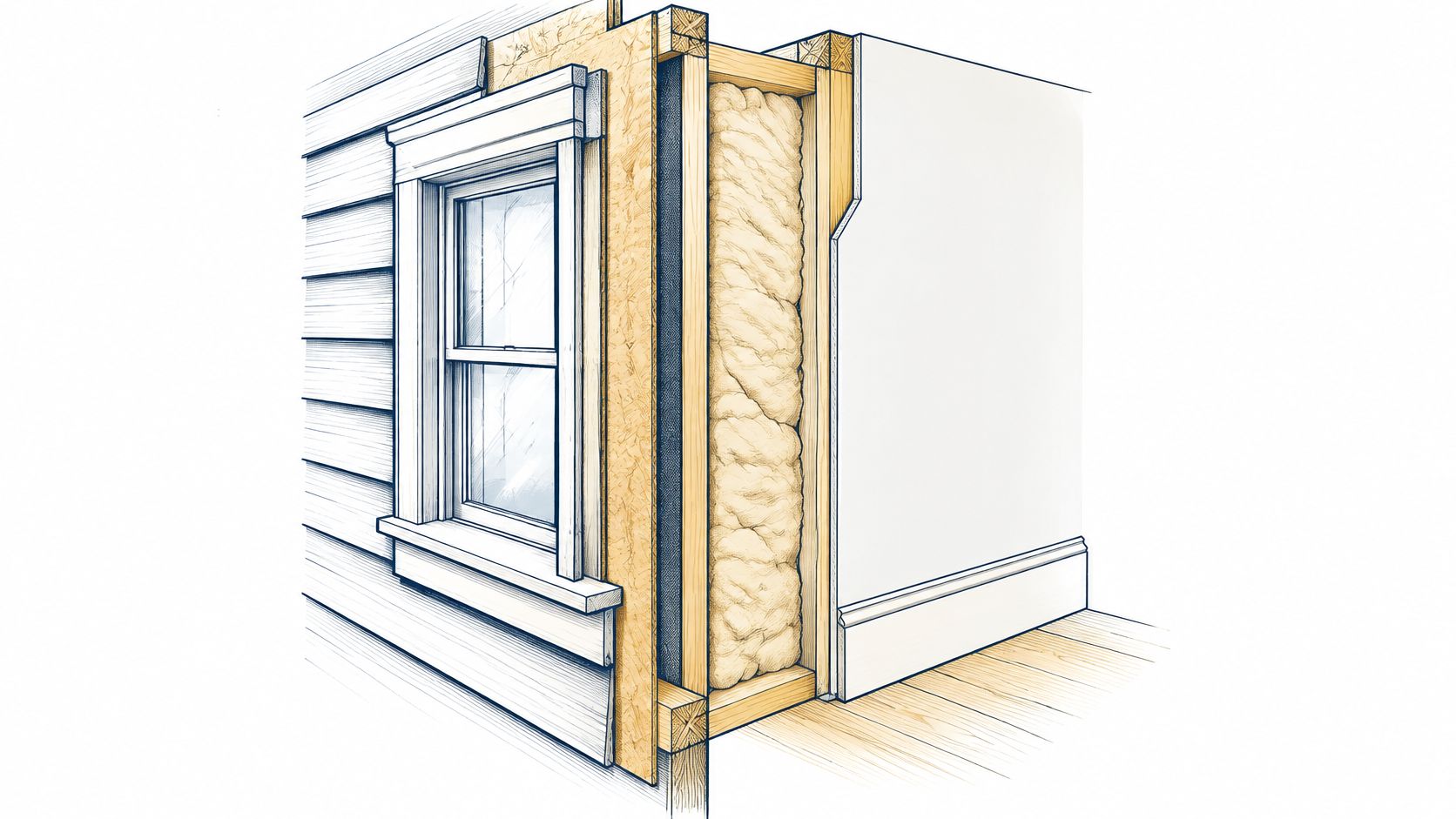
Record the policy terms and missing information without predicting a claim outcome. Keep the association's insurance expense, the buyer's proposed policy, and unresolved deductible questions separate; a premium entry is not a coverage determination.
5. How do regular dues differ from special assessments?
Keep regular dues and each special assessment on separate lines, even when both are paid in installments. Their payment frequency alone does not distinguish them.
Florida's assessment statute requires written notice stating the special assessment's specific purpose. Review the notice, approved amount, payment schedule, and transaction terms instead of relying on listing shorthand.
Label approved, proposed, and historical charges separately. A proposal is not an approved bill, while a past assessment does not predict the next one. Have the closing professional or attorney reconcile transaction-specific responsibility.
Buyers exploring Destin real estate investing should use the same comparison discipline; that hub does not establish any unit's charges or permitted use.
6. What do the budget and reserve records actually prove?
Read the budget, reserve schedule, available study, and funding records together. Compare planned contributions with available balance information and identified projects rather than treating a reserve total as proof that future work is fully funded.
The Florida condominium budget and reserve provisions distinguish operating expenses and reserve funding. Actual project scope, assumptions, timing, and later decisions still need property-specific review.
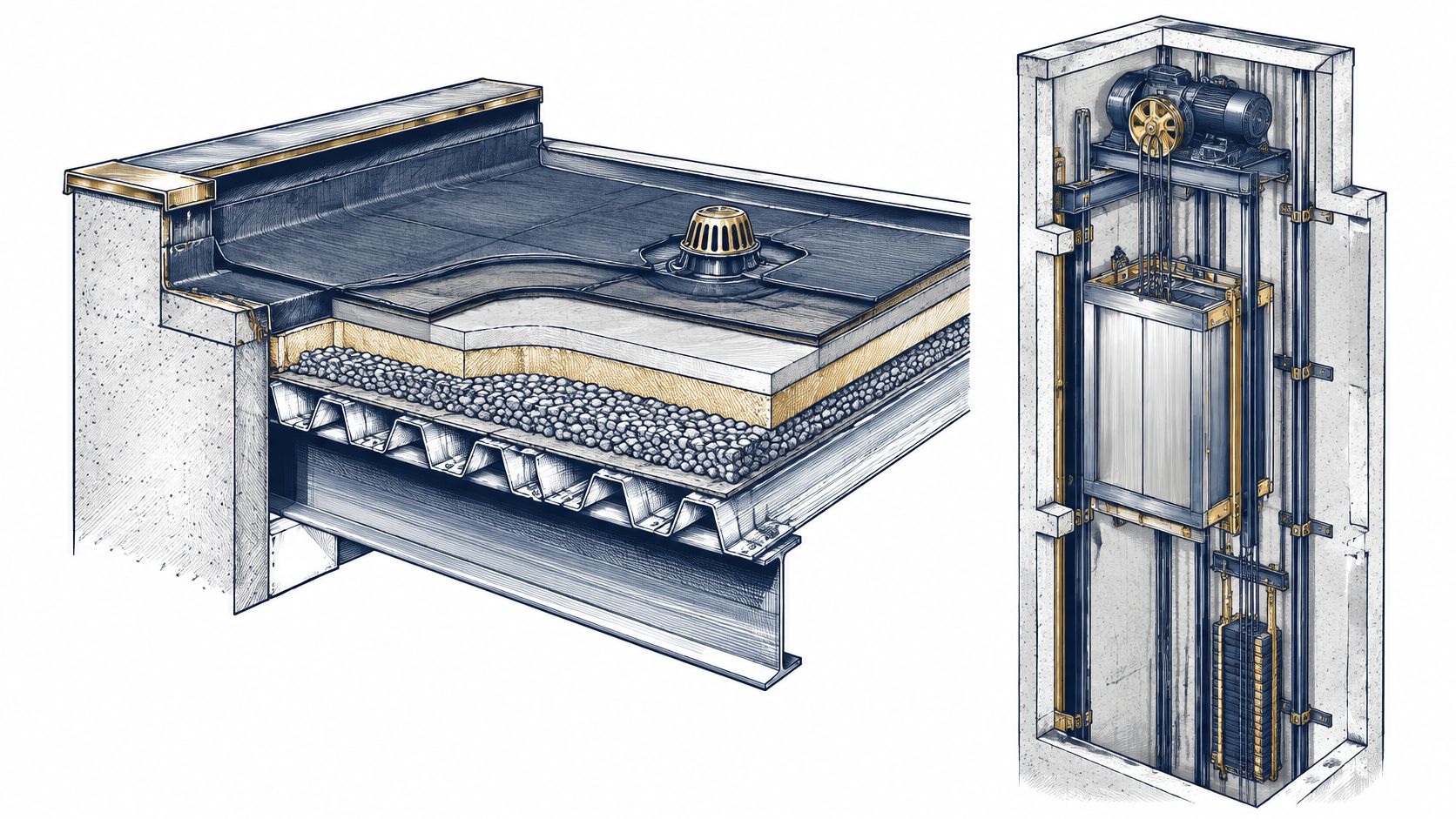
Keep unresolved funding questions visible. Neither a low fee nor a reassuring reserve figure guarantees the amount or timing of future expenses.
7. Are the records current and measured on the same basis?
Match effective dates, document versions, unit applicability, and billing cadence before calculating differences. A proposed budget, adopted budget, and owner statement serve different purposes.
Use the same billing period while preserving original figures and labeling any calculation. Record when a charge applies, not just when a document was downloaded, and separate recurring dues from installments on additional charges.
For property starting points, use Shoreline Towers, Silver Beach Towers, and Emerald Grande. These guides help organize a shortlist, not certify current dues, fee inclusions, or private obligations.
What belongs in a blank fee-comparison worksheet?
Copy this blank structure for each property. Add only supported information; mark missing evidence unresolved rather than filling it with an estimate disguised as a bill.
| Expense or responsibility | Included or separate? | Amount and billing period | Applicable unit and effective date | Supporting record and unresolved question |
|---|---|---|---|---|
| Regular dues | ||||
| Utilities and services | ||||
| Maintenance and replacement | ||||
| Association and owner insurance | ||||
| Approved additional assessments | ||||
| Reserve funding questions |
How do you turn the checks into a fair comparison?
Compare documented recurring costs first, then examine approved additional obligations and uncertain future expenses separately. A higher fee may include broader services, while a lower fee may leave more expenses outside the association bill; neither arrangement establishes value by itself.
Bring the same worksheet to each property review and retain the source record behind every entry. Compare the service package, known obligations, and unresolved items, not a single fee in isolation. Legal interpretation and insurance advice belong with the appropriately qualified professionals.
Frequently asked questions
What should I compare before deciding that one condo's HOA fee is lower?
Compare the same billing period, unit applicability and effective date, then separate included services, owner-paid expenses and approved additional assessments. A lower quoted fee alone does not establish lower total ownership costs (Florida common-expense law and budget law).
Which costs might be paid separately from the association fee?
Depending on the governing documents and actual billing arrangements, owners may pay for unit utilities, interior maintenance or other services separately. Verify each inclusion and obligation rather than assuming another condominium's fee package applies (Florida common-expense law and budget expense categories).
How do I separate regular dues from a special assessment?
Record regular dues separately from each special assessment's stated purpose, approved amount and payment schedule. Review the actual assessment notice and transaction terms instead of combining temporary installments with recurring dues (Florida assessment law and budget law).
Does a lower HOA fee prove that a condo costs less to own?
No; a lower association fee may exclude expenses another association pays collectively. Compare documented inclusions and separate owner obligations, and keep uncertain repairs or future funding needs distinct from known current charges (Florida common-expense law and budget law).
Dream Destin Realty can help organize your condo shortlist and the fee-inclusion questions that remain unresolved. Contact Dream Destin Realty to discuss your comparison.


