
Milestone Inspection Florida Condo: Deadlines and Records
Milestone Inspection Florida Condo explained: which buildings qualify, key deadlines, how to find and read records, and what buyers should ask about repairs.

On this page
On this page
A Florida condo building with at least three habitable stories generally needs a milestone inspection by a Florida-licensed architect or engineer at 30 years, then every 10 years; local enforcement may require the earlier 25-year schedule because of environmental conditions, under the 2023 statutory amendment. A completed report starts the buyer's review: recommended repairs still need to be traced into completion records, reserves, budgets and assessments.
Table of Contents
- What a Milestone Inspection Covers and Does Not
- Which Condo Buildings Need One and When
- How the Two-Phase Inspection Process Works
- How to Find and Read the Building Records
- What Buyers Should Ask About Repairs and Assessments
- Decide Before You Commit
What a Milestone Inspection Covers and Does Not
A milestone inspection evaluates a residential condominium or cooperative building's structural condition. The association arranges the inspection, and the licensed professional evaluates structural adequacy, life-safety concerns and needed maintenance, repairs or replacement within the inspection's reasonable scope, as described in Florida Statute 553.899.
Think of it as a structural checkup for the building's frame, not a walkthrough of one unit. A freshly renovated kitchen doesn't answer questions about the concrete structure supporting it.
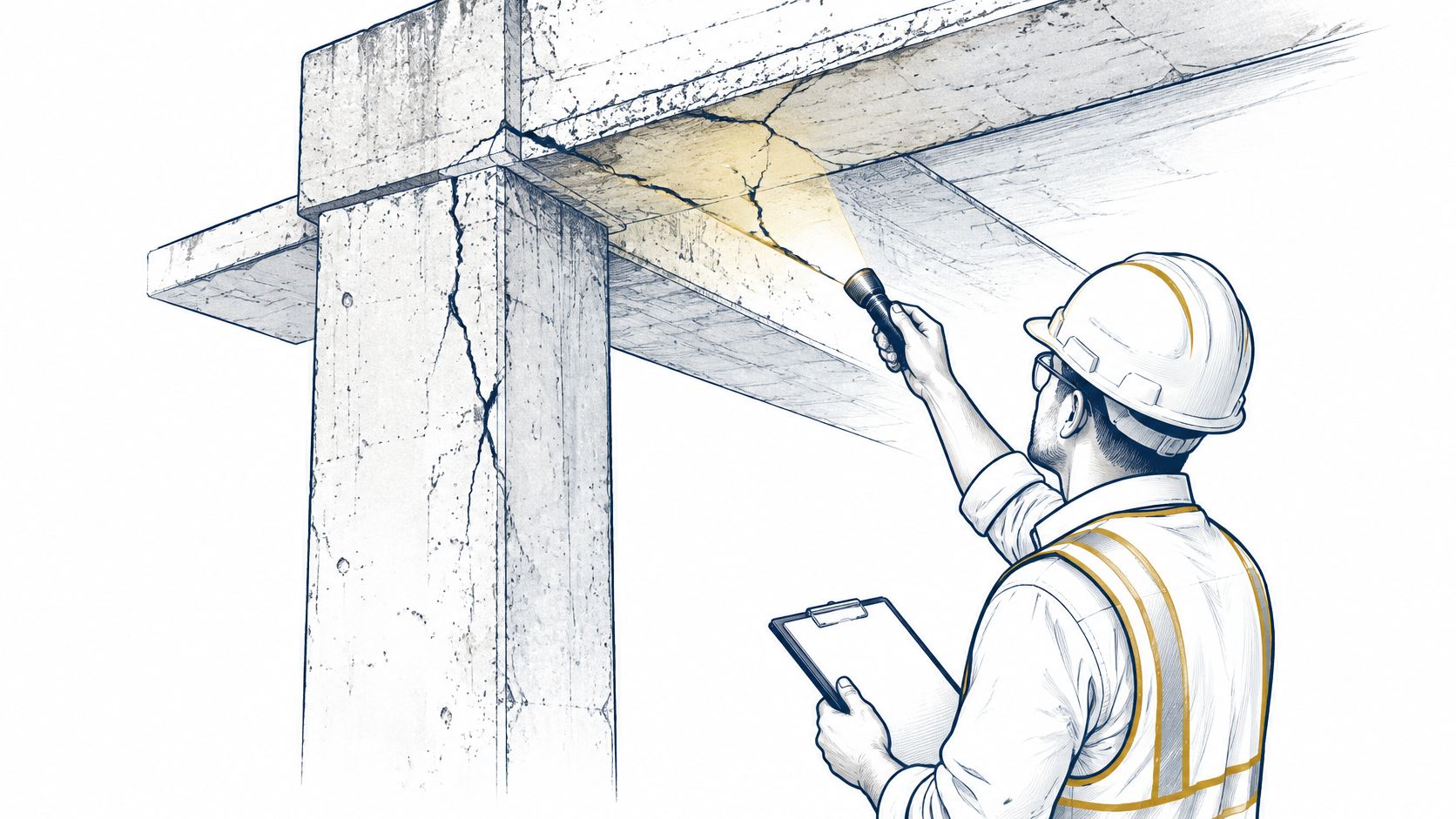
The inspection isn't a general building-code or fire-safety compliance inspection. It also doesn't replace a buyer's home inspection of appliances, plumbing, electrical systems or unit interiors. A professional may discuss related conditions when they affect the structure, but that doesn't turn the report into a complete building-condition audit.
A completed milestone report isn't a blanket certification that every building system is satisfactory.
The separate Structural Integrity Reserve Study, commonly called a SIRS, addresses component planning and funding. Understanding condo budgets and reserve obligations helps distinguish the association's physical responsibilities from its financial planning.
A useful document test is simple: a report describing a unit's appliances or interior finishes isn't the building's milestone report.
Which Condo Buildings Need One and When
Milestone inspection timing by building situation
| Building situation | First inspection due | Repeat cycle | Basis |
|---|---|---|---|
| At least three habitable stories, reaching 30 years, at any distance from the coast | December 31 of the year it reaches 30, measured from the certificate of occupancy, unless an earlier local schedule applies | Every 10 years | General statutory schedule |
| At least three habitable stories, where the local enforcement agency requires the earlier schedule | December 31 of the year it reaches 25, measured from the certificate of occupancy | Every 10 years | Local option for conditions such as proximity to salt water (2023 amendment) |
| Already 30 years old before July 1, 2022 | December 31, 2024, now passed | Every 10 years | Transitional deadline |
| Reaches 30 between July 1, 2022 and December 31, 2024 | December 31, 2025, now passed | Every 10 years | Transitional deadline |
| Association with an applicable milestone deadline of December 31, 2026 | Its existing milestone deadline; the reserve study may be completed simultaneously | Existing milestone cycle continues | Section 718.112(2)(g)7, Florida Statutes |
| Fewer than three habitable stories | Outside the stated habitable-story threshold; confirm the official height classification | Not applicable if exempt | Applicable statutory and building-code classification |
The coastal rule changed in 2023. The 2022 statute established the 25-year threshold within 3 miles of a coastline, but that historical distance rule shouldn't be treated as the current automatic statewide trigger.
The 2025 statute supplies the transitional deadlines shown above and allows local enforcement to require earlier inspections when conditions justify them. As of November 2026, both transitional dates have passed, so an absent report calls for checking current association and building-department records.
Under section 718.112(2)(g)7, Florida Statutes, an association required to complete its milestone inspection on or before December 31, 2026 may complete its SIRS at the same time. This isn't a universal new inspection deadline.
Apply the building's actual records
Check the official story count, certificate-of-occupancy date and local enforcement position. A listing's construction year isn't a substitute for the certificate.
For a hypothetical building reaching the general age threshold during the current calendar year, apply the year-end rule, then confirm whether an earlier local requirement or documented enforcement action changes that result.
How the Two-Phase Inspection Process Works
The association arranges the building inspection. An individual buyer's inspection serves a different purpose and doesn't satisfy the association's milestone obligation.
- Engage the professional. The association retains a Florida-licensed architect or engineer to evaluate the building.
- Conduct phase one. The professional visually examines habitable and nonhabitable areas, including the major structural components, for evidence of substantial structural deterioration.
- Determine whether phase two is necessary. Findings that warrant further evaluation lead to confirmatory testing, which may be destructive or nondestructive.
- Issue the written findings. The report documents observed conditions and recommended repairs.
- Address the work. The association's response may involve engineering scopes, permits, repair contracts and funding decisions.
Section 553.899 sets out these phases, and section 718.112(2)(g) sets the separate SIRS requirement, at least every 10 years for condominium buildings three habitable stories or higher.
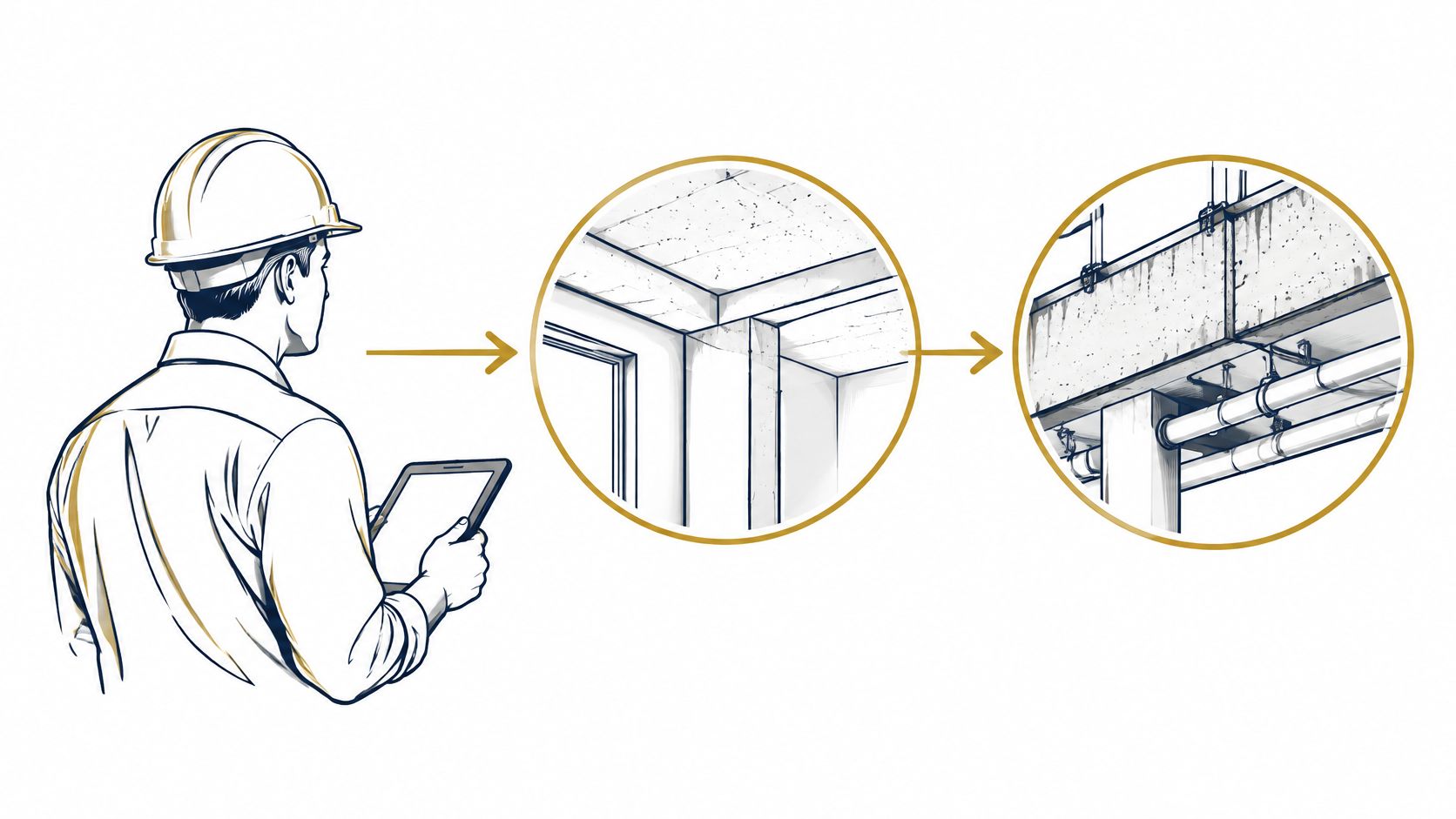
The reserve study identifies covered components, estimates remaining useful life and replacement or deferred-maintenance costs, and recommends a funding schedule. In plain language, the inspection identifies structural concerns; the reserve study helps explain how the association plans for covered expenses.
A phase-two finding or a component approaching replacement can lead to special assessments, higher regular assessments, borrowing or transaction delays. Buyers trying to understand vacation condo ownership costs should compare the engineering work with the association's actual funding decisions.
Practical distinction: A repair recommendation, an approved repair contract and money available to pay that contract are different pieces of evidence.
How to Find and Read the Building Records
Building records to request and what each one shows
| Record | Where to request it | What to check |
|---|---|---|
| Certificate of occupancy | Association or local building department | Date used to establish inspection timing |
| Milestone inspection report | Association | Scope, deterioration, unsafe conditions and recommended repairs |
| Inspector summary | Association or disclosure package | Consistency with the full report and contract language |
| Repair permits and completion notices | Local building department | Permit status and documented completion |
| Latest reserve study | Association | Covered components, useful life and funding plan |
| Budgets, reserve balance and board minutes | Association | Repair decisions and planned or pending assessments |
A seller may already have copies, but the buyer should check that the file includes current versions and relevant attachments. Dream Destin Realty helps clients review available association information, inspections, reserves, rental rules and insurance as part of purchase due diligence.
Separate the findings before reviewing the money
The statute's report requirements distinguish substantial structural deterioration, unsafe or dangerous conditions, and lesser damage requiring remedial or preventive repairs. The professional must describe observed substantial deterioration within the inspection's reasonable scope, explain its extent and recommend repairs.
An overall favorable conclusion doesn't erase recommendations elsewhere in the report. Preventive work still belongs in the buyer's review, even when the professional hasn't identified substantial deterioration.
For each recommended repair, create a short status line:
- Scope: What work did the engineer recommend?
- Completion: What document demonstrates that the work was finished?
- Permits: What does the building department show?
- Funding: Which reserve allocation, assessment or other approved source pays for it?
- Open items: What remains unresolved, and who is responsible for the next action?
For example, a concrete-repair recommendation should connect to a repair scope, contractor documentation, applicable permits and funding records. A board discussion alone doesn't demonstrate completion.
The guide to Florida condo reserve study requirements helps organize that comparison. When the association relies on permitted joint inspection and reserve-study timing, request its documented schedule rather than assuming a missing separately dated study proves noncompliance.
What Buyers Should Ask About Repairs and Assessments
A completed report doesn't settle the purchase decision. The useful question is whether the association has resolved the findings and documented the remaining financial obligations.
- Was the inspection completed, and what certificate-of-occupancy date supports its timing?
- Did phase two occur, and is its report included?
- Which recommended repairs are complete, permitted or still open?
- Does the reserve study address the relevant work, and do actual reserves match the funding plan?
- Are special assessments or regular assessment increases planned or pending?
- Which items belong to the association, and which belong to the owner?
- Does the contract contain the applicable inspection summary or disclosure of incomplete required documents?
For contracts entered into after December 31, 2024, Florida's condominium disclosure statute addresses conspicuous language identifying an incomplete required milestone inspection, qualifying turnover report or reserve study. Developer contracts also have specific summary or status-disclosure requirements. Missing paperwork doesn't establish that no obligation exists.
Request assessment amounts and repair estimates in writing from the association. To compare Emerald Coast condo HOA fees, distinguish regular operating expenses from reserves and separately approved charges.
Rental-use review remains property-specific. Recorded declarations and amendments, association rules and applicable local requirements matter; marketing descriptions or MLS remarks don't establish rental permission.
Decide Before You Commit
Pause when unsafe conditions or substantial deterioration remain unresolved without a documented repair plan. Obtain written answers and qualified structural advice.
Consider negotiating when the work is defined but funding remains incomplete. Any price adjustment, assessment allocation or closing condition should be documented under the contract.
Review contractual options when required documents remain undated or unavailable. A licensed attorney can explain available remedies or withdrawal rights without assuming they apply automatically.
Dream Destin Realty's homebuying guide provides broader purchase-process context. Contact the brokerage about organizing the records for a specific building.
Dream Destin Realty helps buyers review available building records and organize questions about inspections, reserves and association obligations. Visit Dream Destin Realty to discuss a specific Emerald Coast condo and the documents needed to evaluate its unresolved repairs and ownership costs.


